PHOTOGRAPHY
by James Meredew
A Black Earth
Written by Yasemin Ozer
28/11/2025
Out Of Words
We’re used to associating volcanic land with drama. Smoke, fire, something to run away from. We expect to see a warning sign, a rising heat, a headline, and a rush.
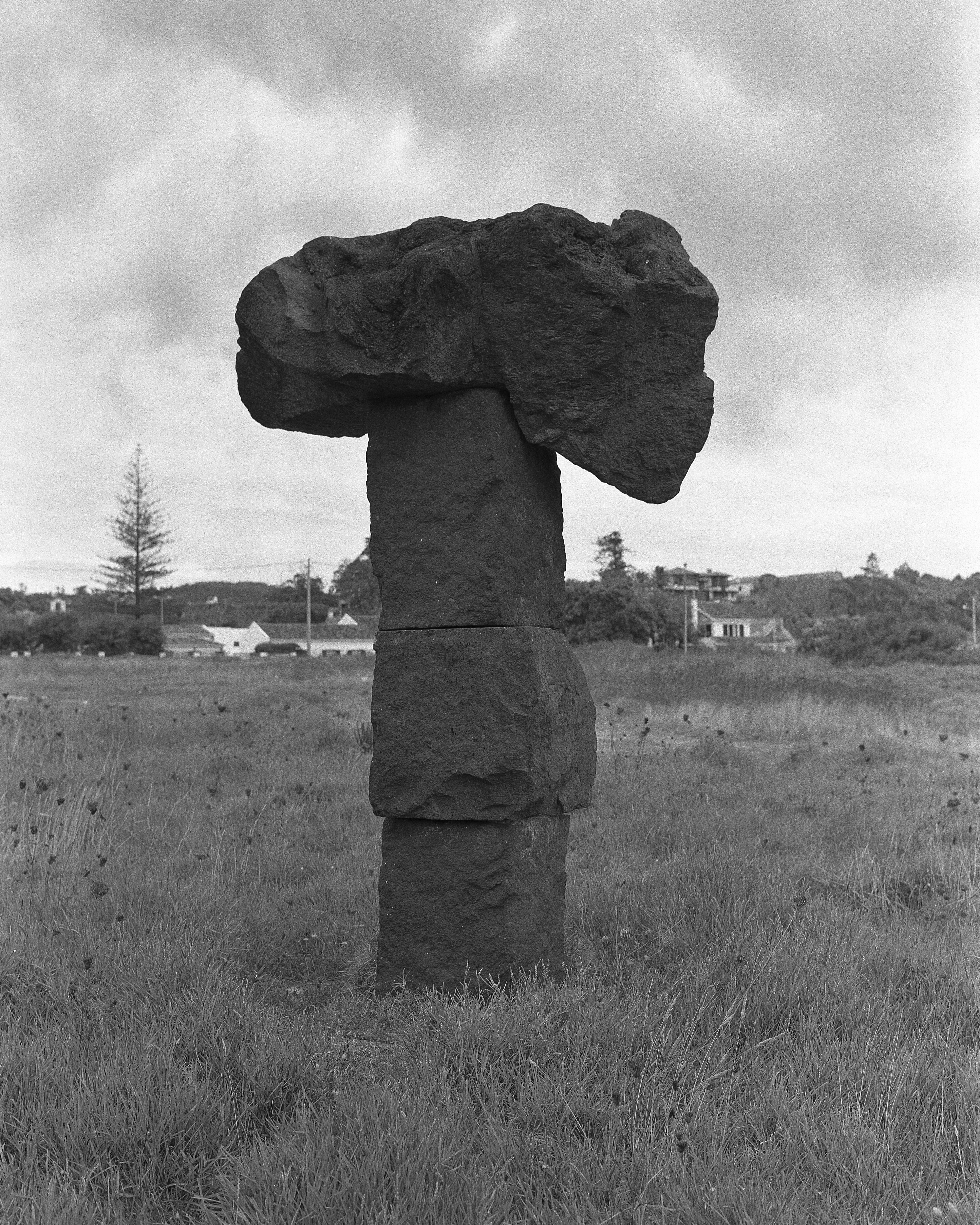
But in Basalt, James Meredew gives us none of that. No catastrophe. No myth. Just the stillness, the openness and the emptiness a volcano leaves behind. Its legacy.
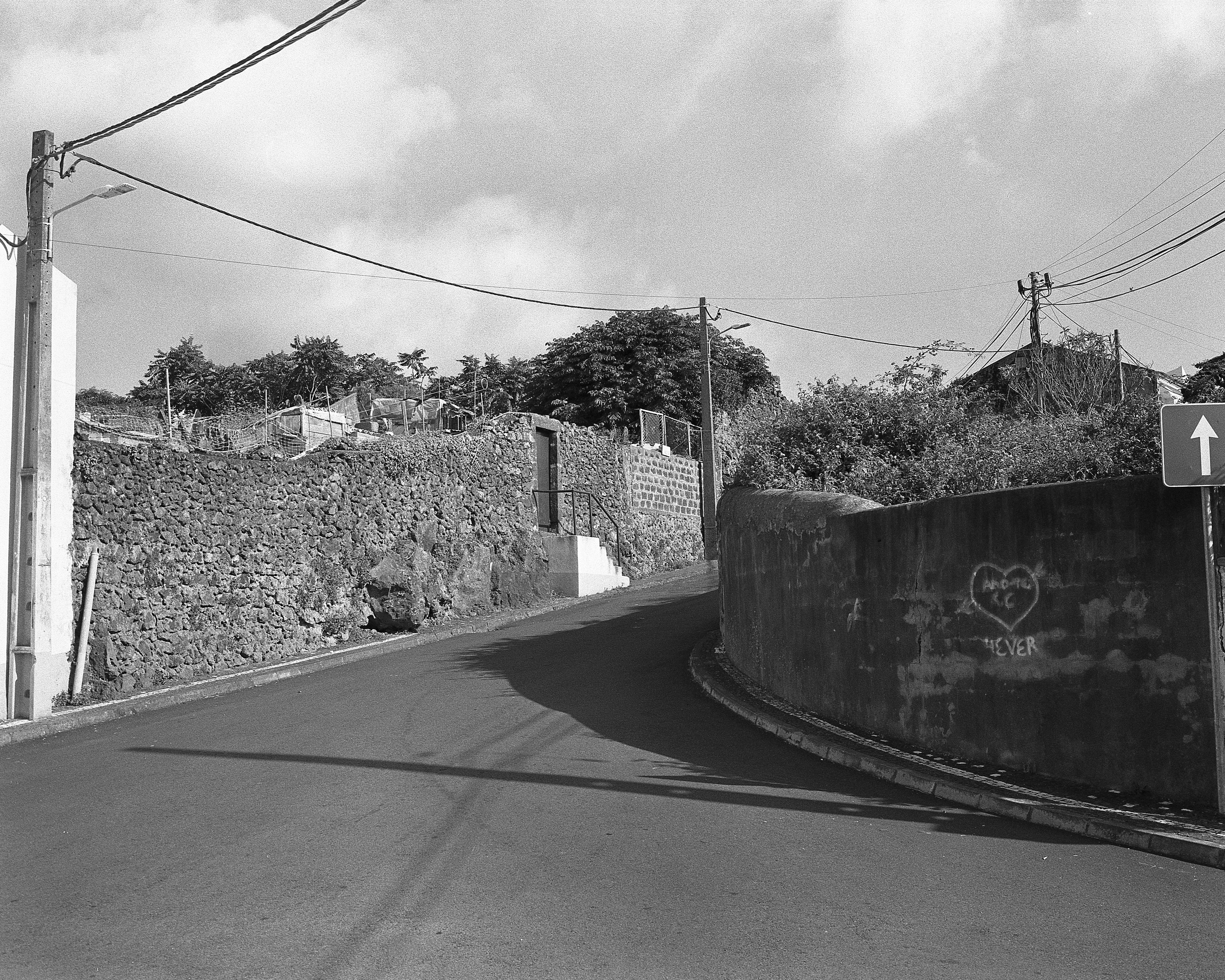
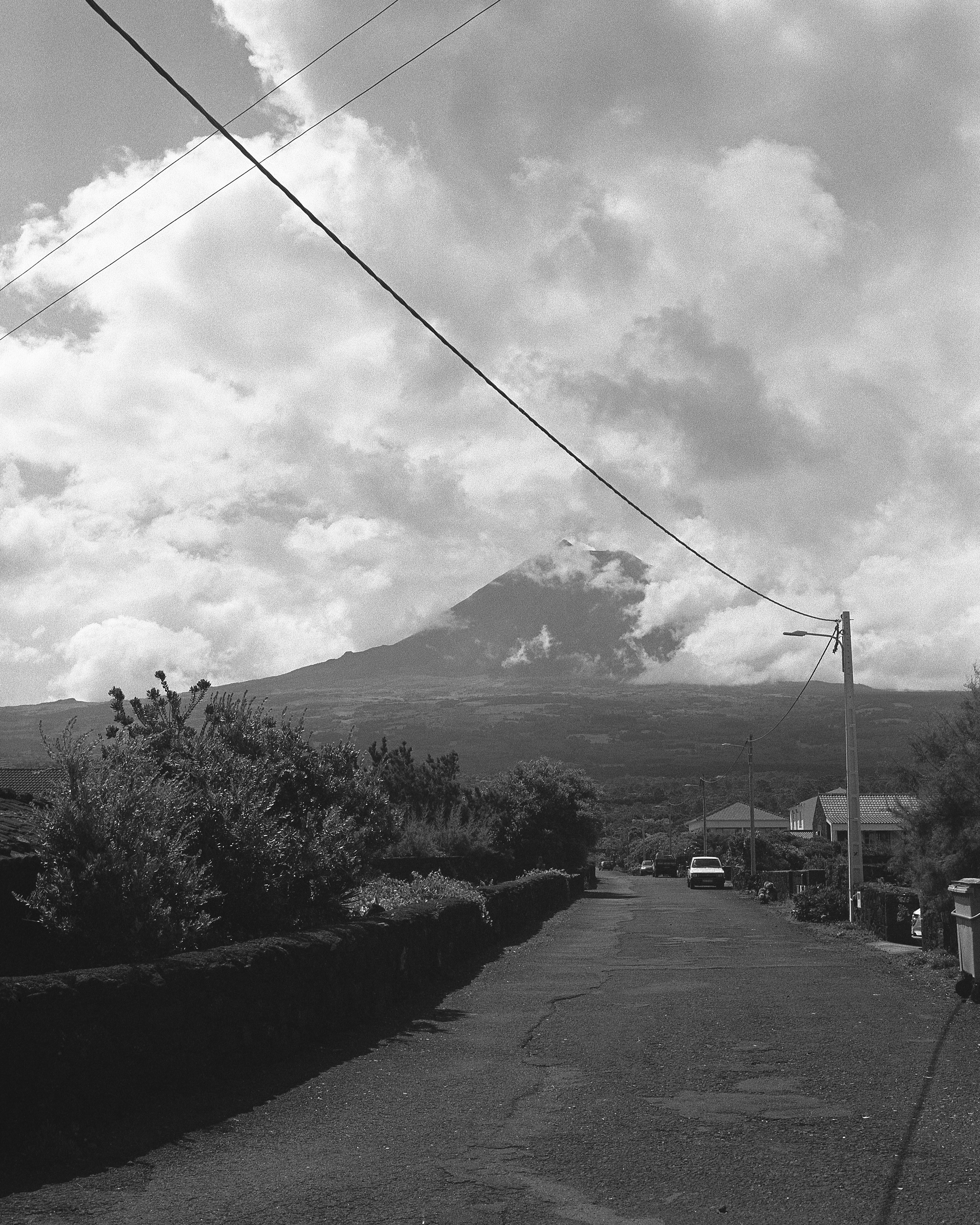
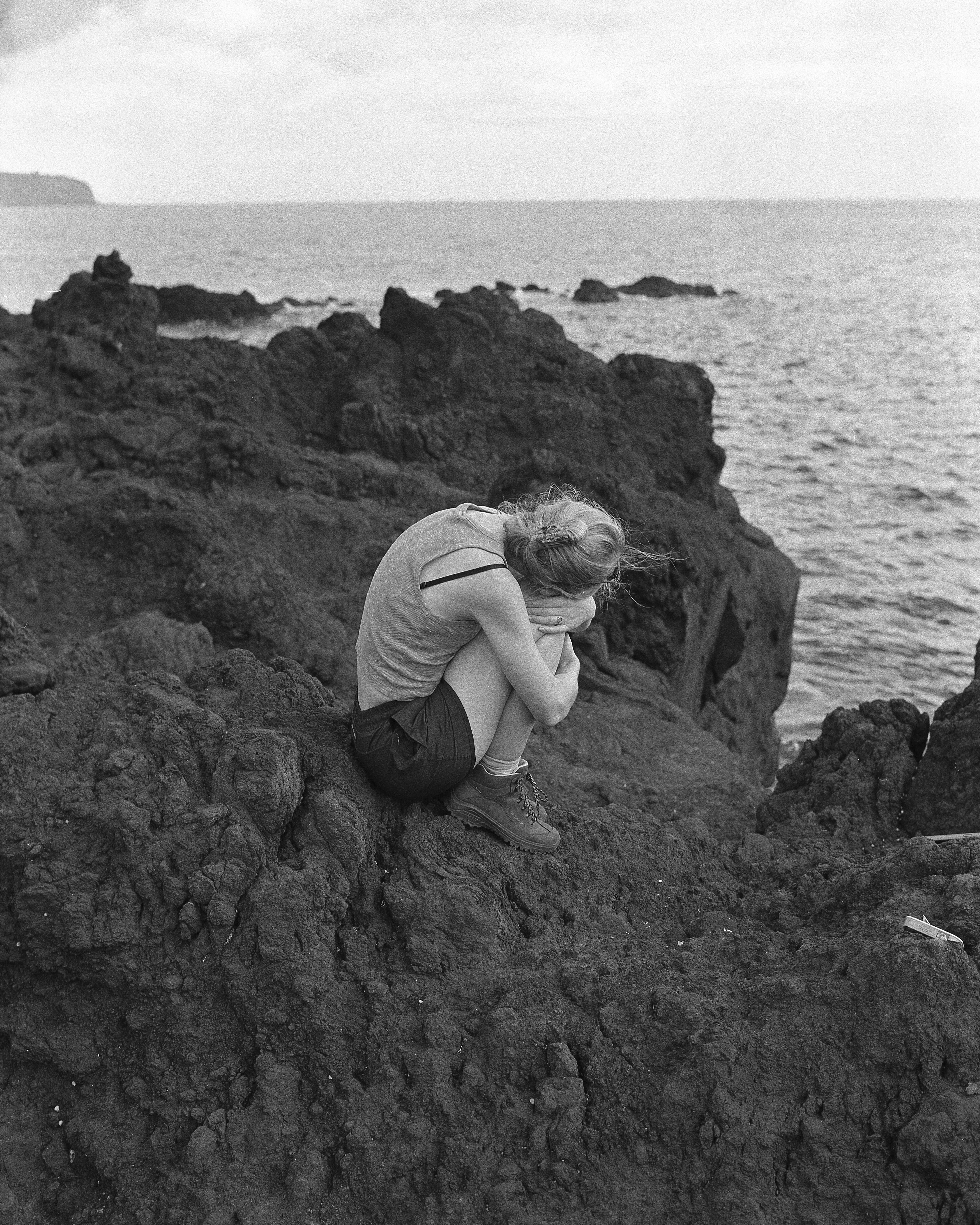
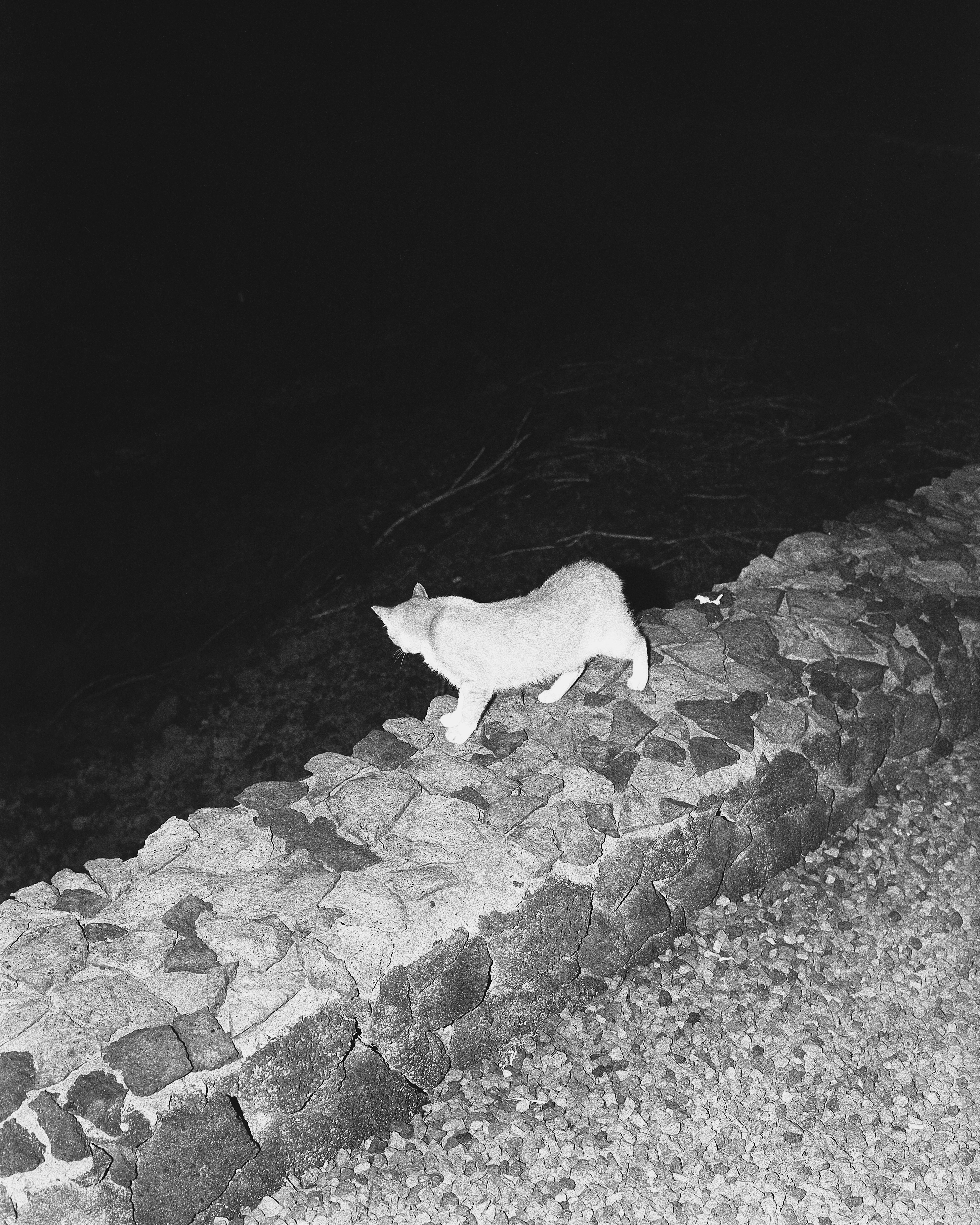
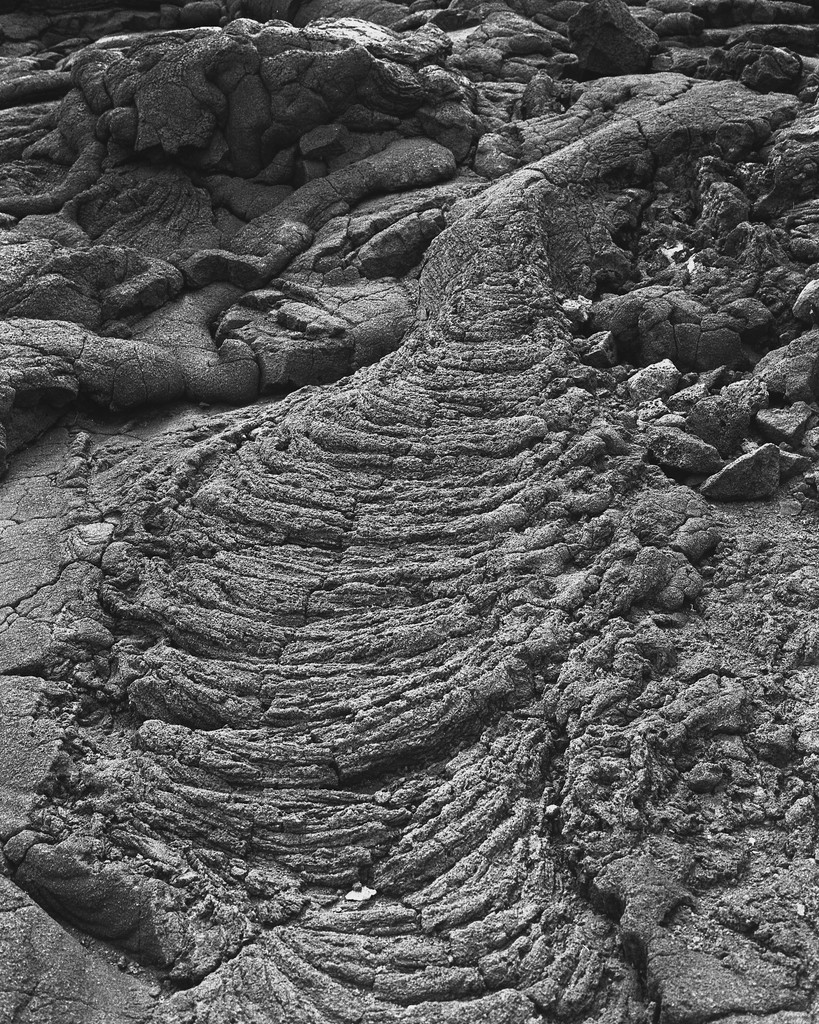
A café is closed. The ground is black and cracked open, particles of ashes and memory are up in the air, chasing the sky. A cat finds its way along a stone wall. Even the mountain, Pico, is half-hidden, its big mouth drained and spent with nothing more to say. This is not the moment something explodes, but the long stretch when it doesn’t.
When the world keeps turning and turning, even after it’s been split open like a seashell. He shows us what it’s like to live beside what once was danger, make it mundane again, to forget, remember, and forget again.
Keep Breathing
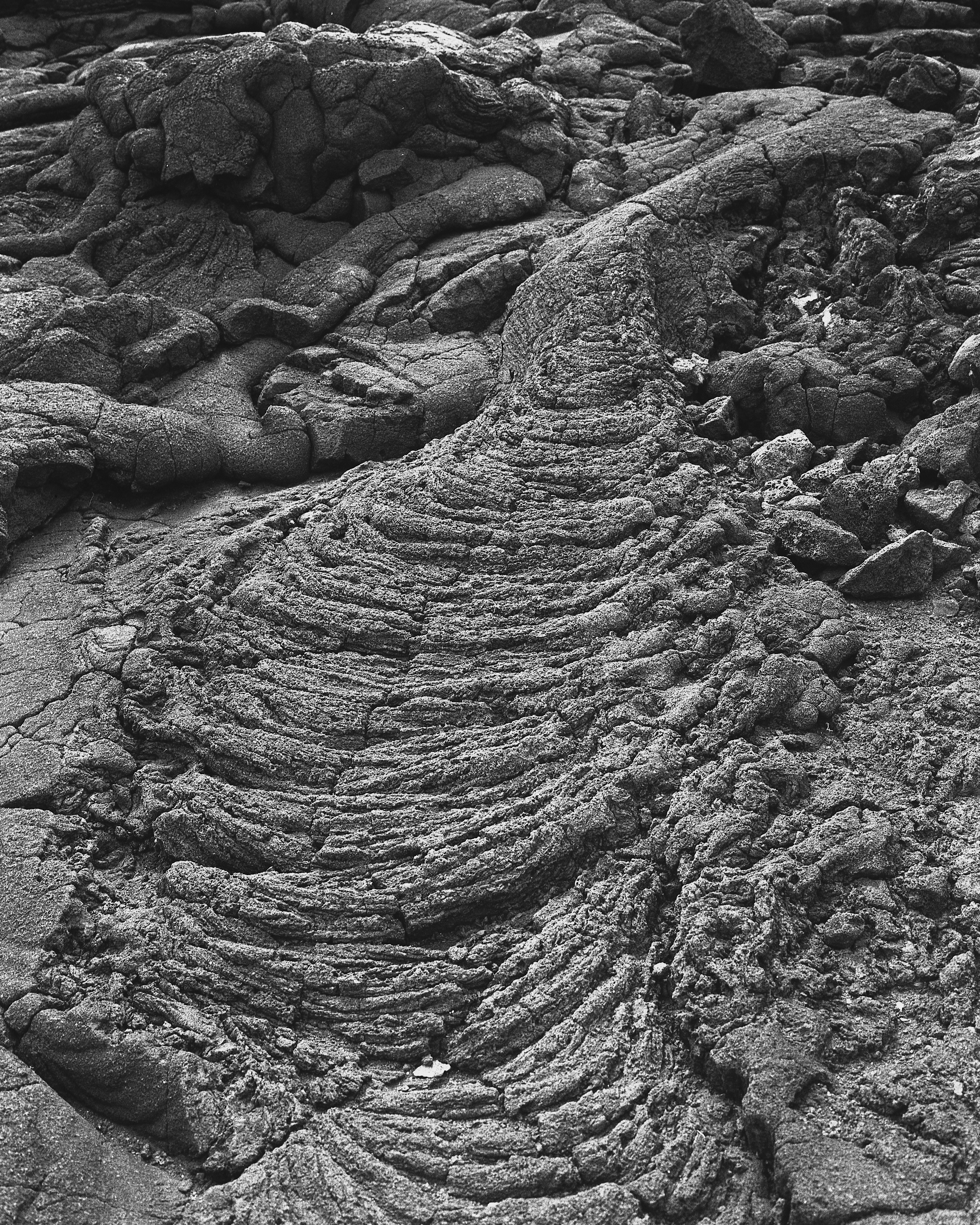
In this series James Meredew pictures the breath—the long breath that keeps coming out of Earth after the shouting and the yelling have stopped. Just Earth, and its warm breath, moving steadily through its clotted veins full of rock and ash. And world being whole again until the next rupture.
“the café was closed /
crisp and cremated black earth /
bright green sedums /
growing in the dirt”
And that’s what makes Basalt quietly radical in documenting volcanoes. It doesn’t glorify earthly trauma or wrap it in metaphor. It says:
It is what it is. It is what it always has been.
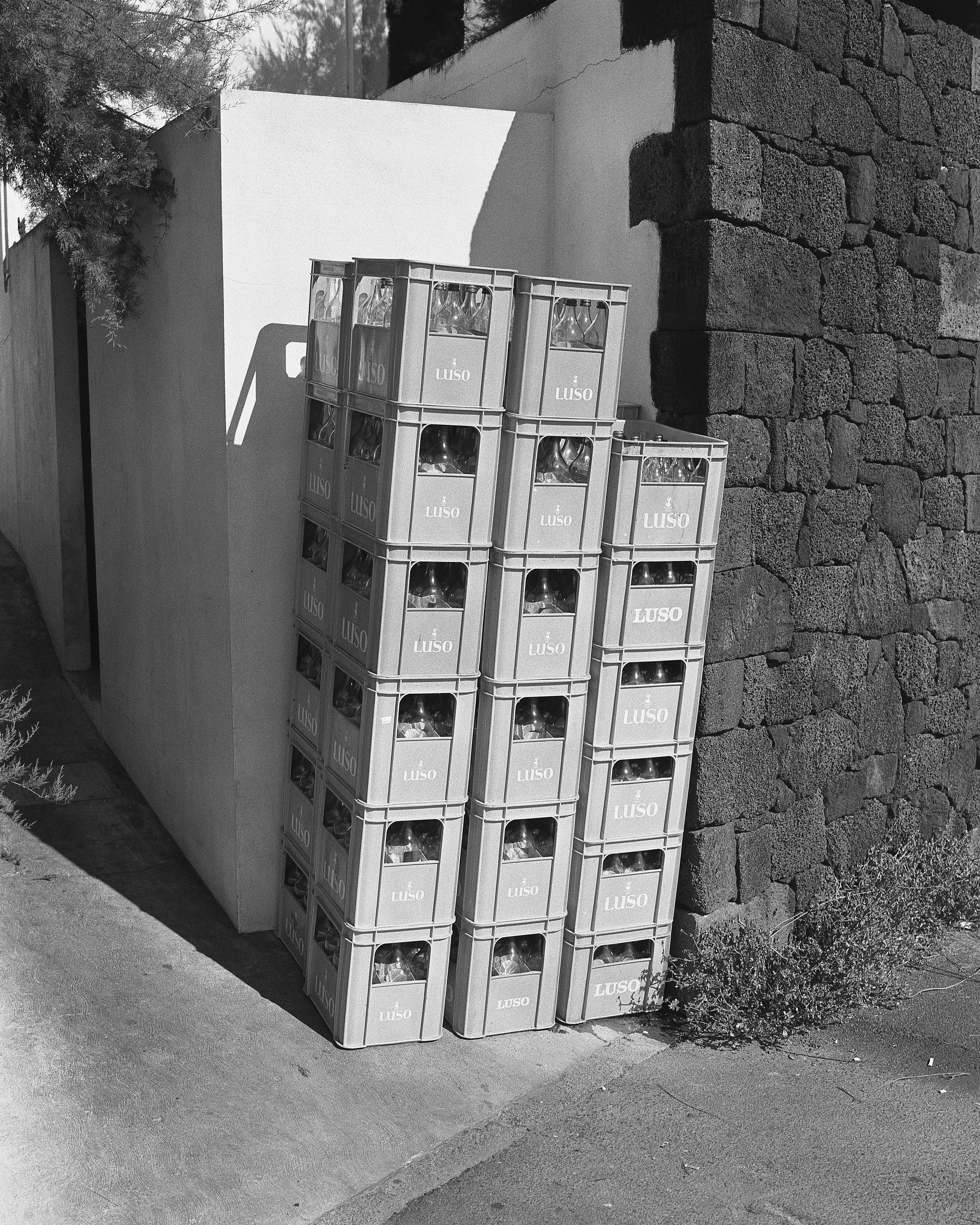
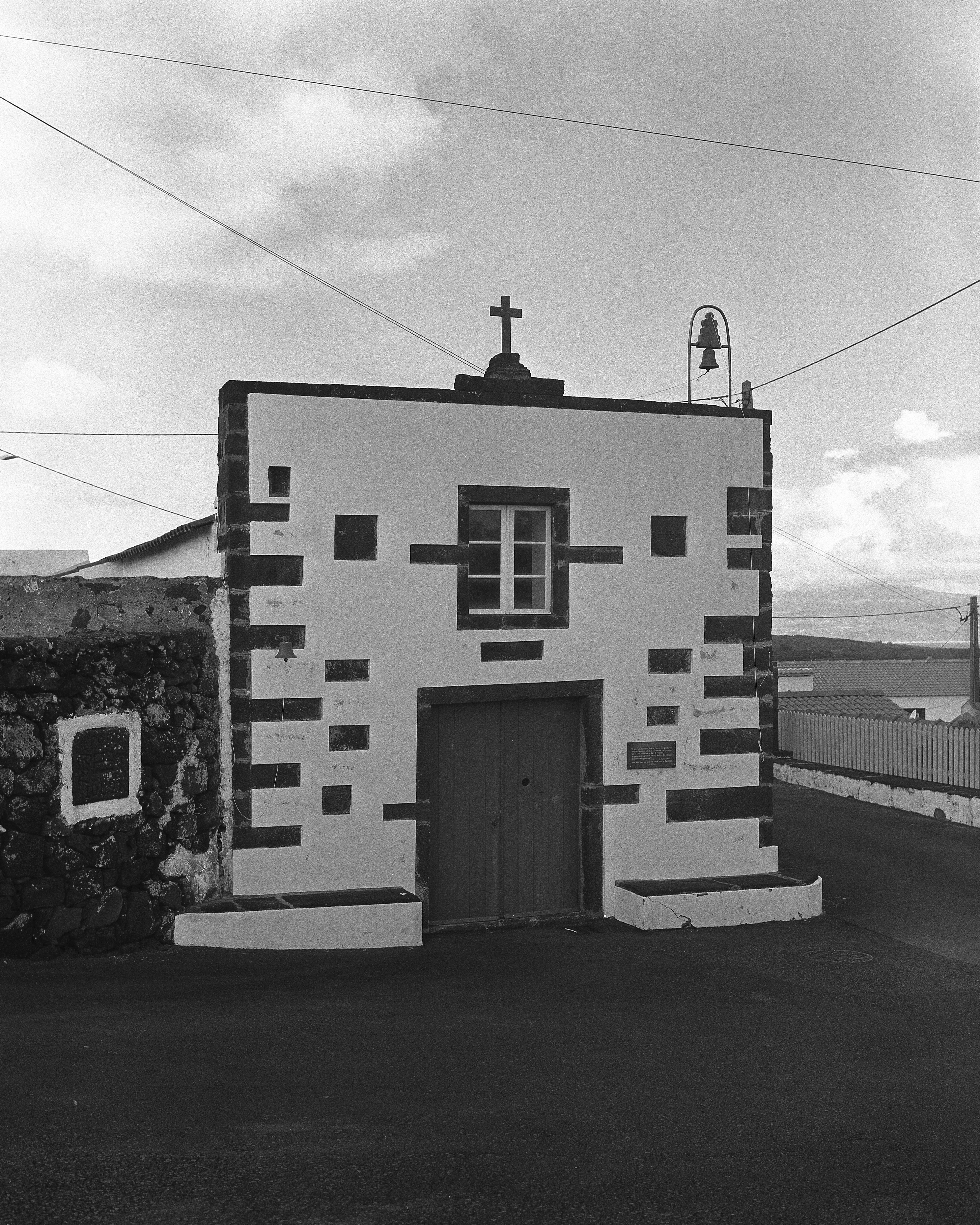
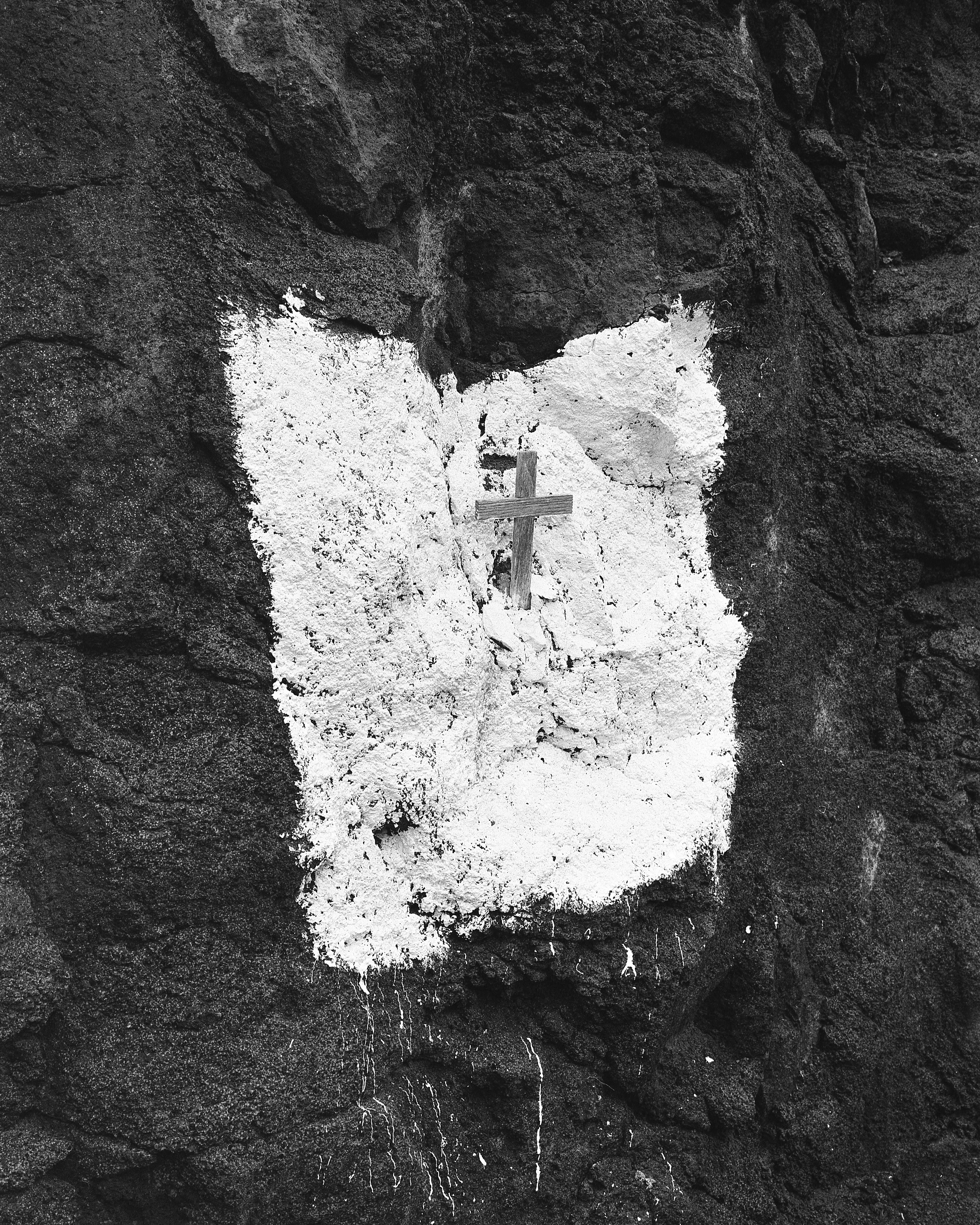
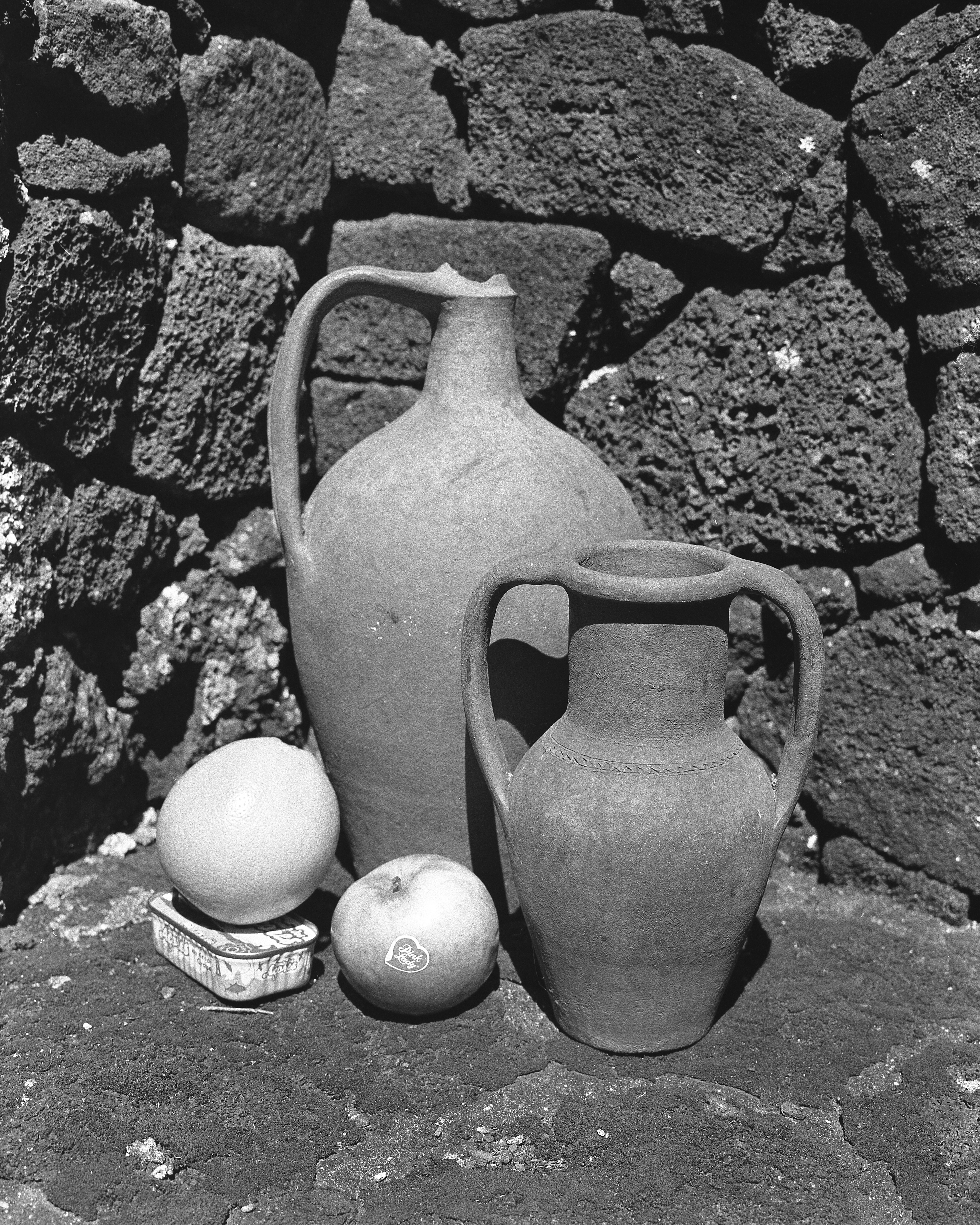
And that’s true. Volcanoes don’t change; they burn, they rest, and they hold their breath, and they burn once again. That’s their cycle. But we, we’re the ones who build chapels beside the ash, graffiti promises onto walls; we are the ones who bring crates and hope to the land. We’re the ones who believe that life can continue, no matter how wounded, and cracked. And maybe that belief is the most radical thing of all.