PHOTOGRAPHY
by Artem Kunz
They Bloom Anyway
Written by Yasemin Ozer
28/11/2025
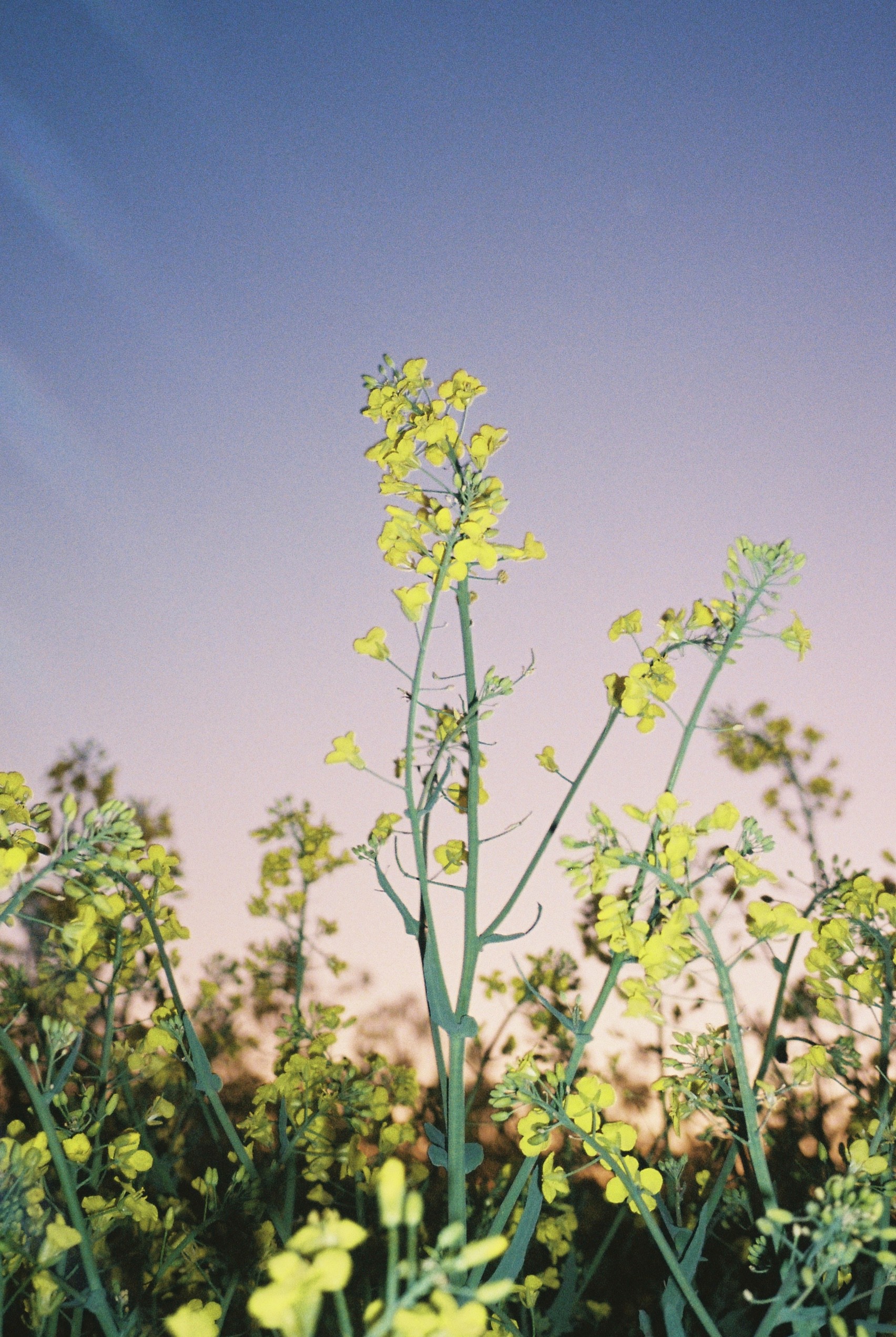
Flowers. They bloom in the wrong places all the time and in the right places. They bloom in clean, crisp air, when the sun is in its rightful place, as they bloom on gravel, on leaking rooftops, and by gutters. They bloom on our worst days when we are full of grief and tears, as they bloom on our best days—when nothing hurts, even just for a minute. These things, they just need a crack, a bit of light, drops of water and a moment to appear. They bloom not for what the day brings, but for the simple, outrageous fact that they can bloom.
They don’t rescue the place.
They don’t repair it.
But they do tell something even in the most awful conditions: that nothing is beyond repair. Not the cracked concrete. Not the forgotten corner of a graveyard. Not even us. A bloom is not a solution but a signal. A reminder that something still works.
It Is What It Is
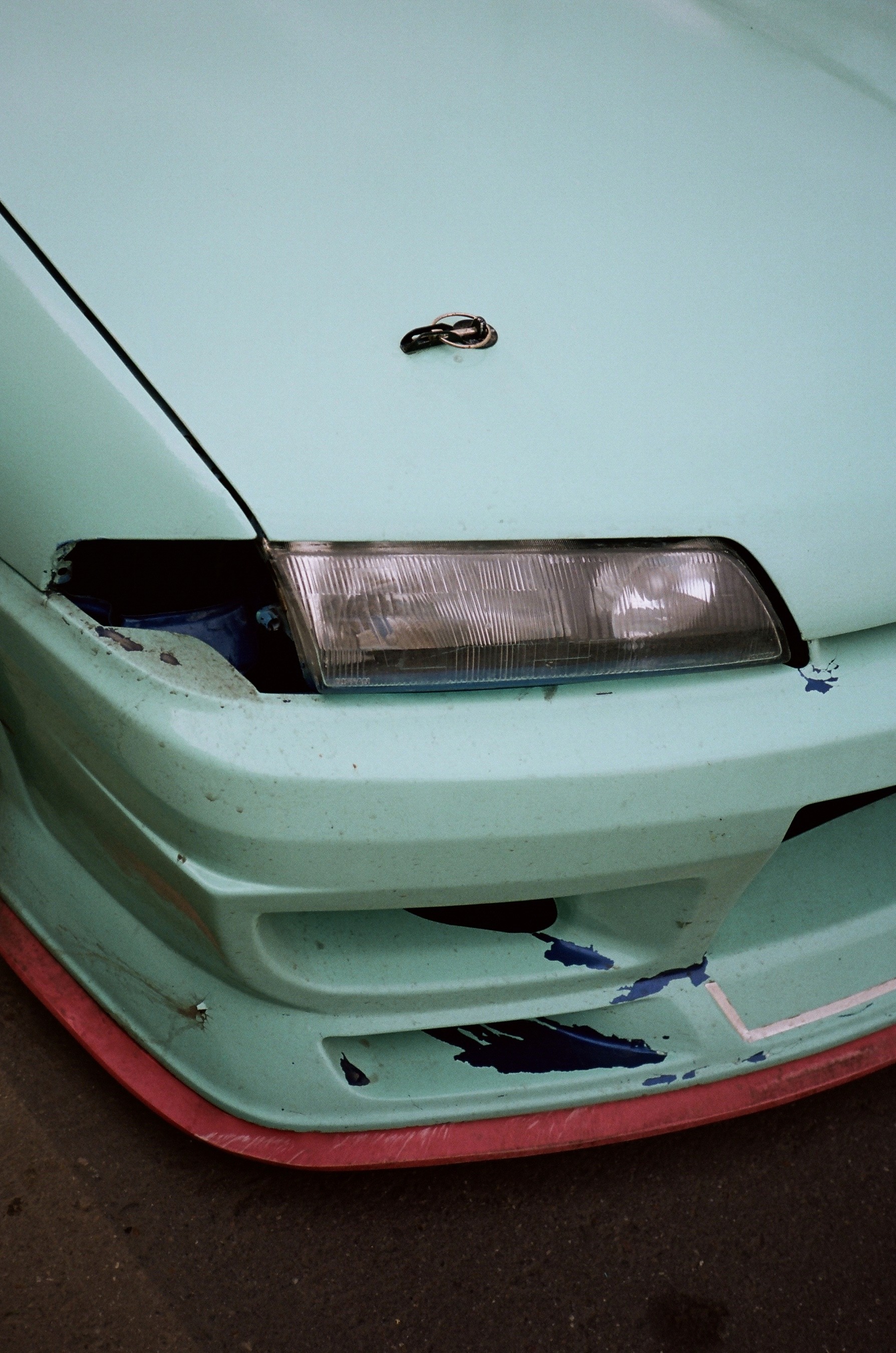
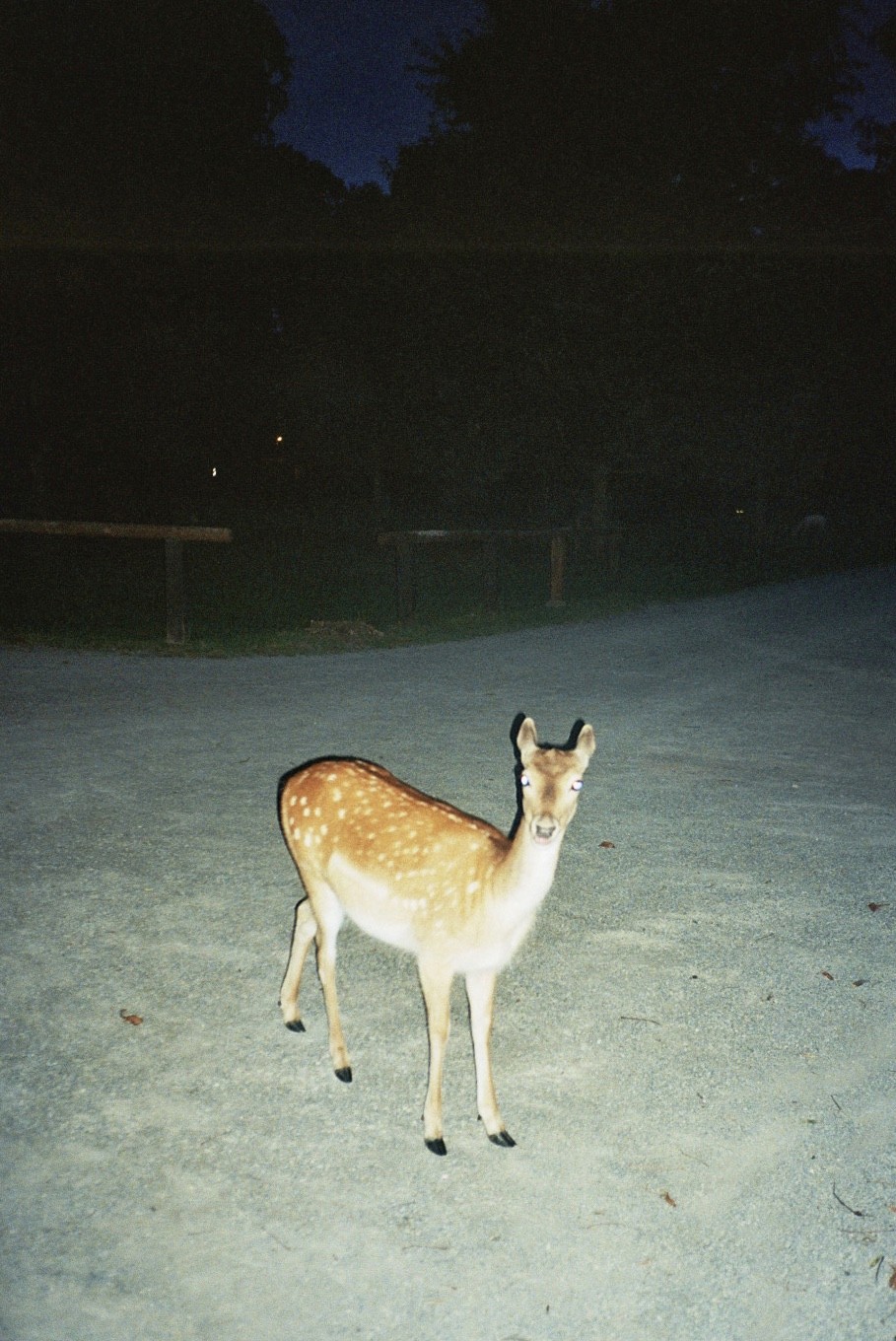
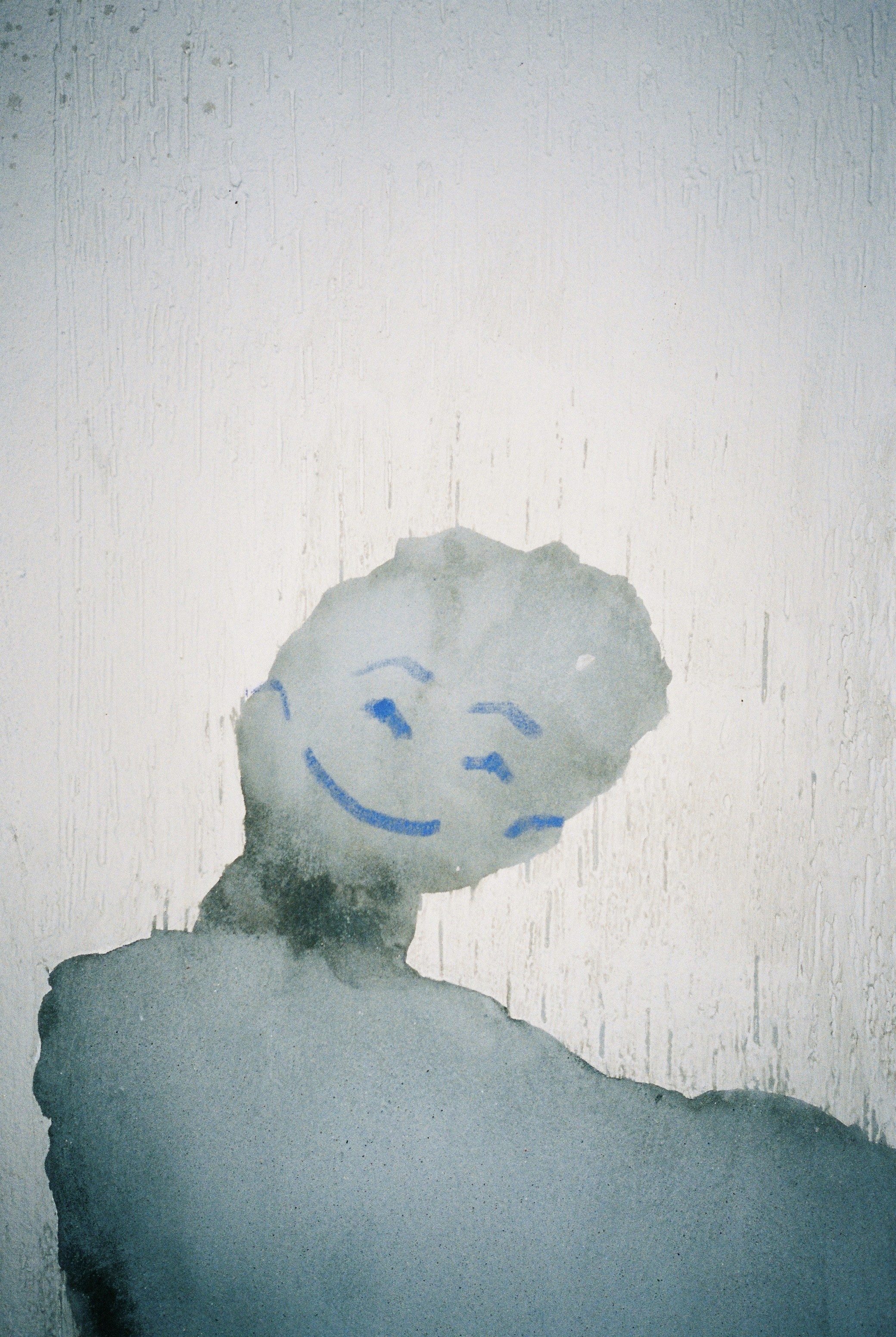
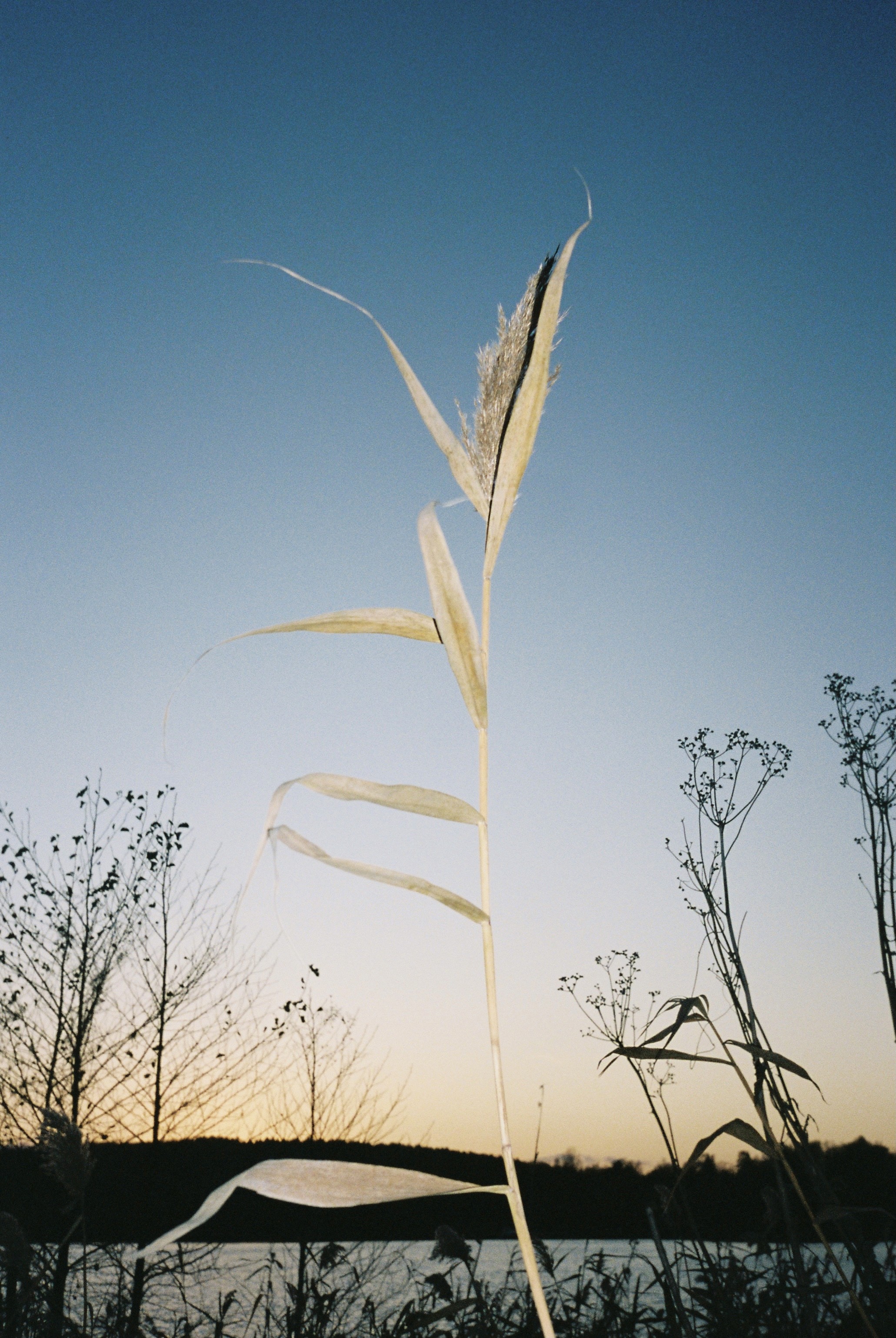
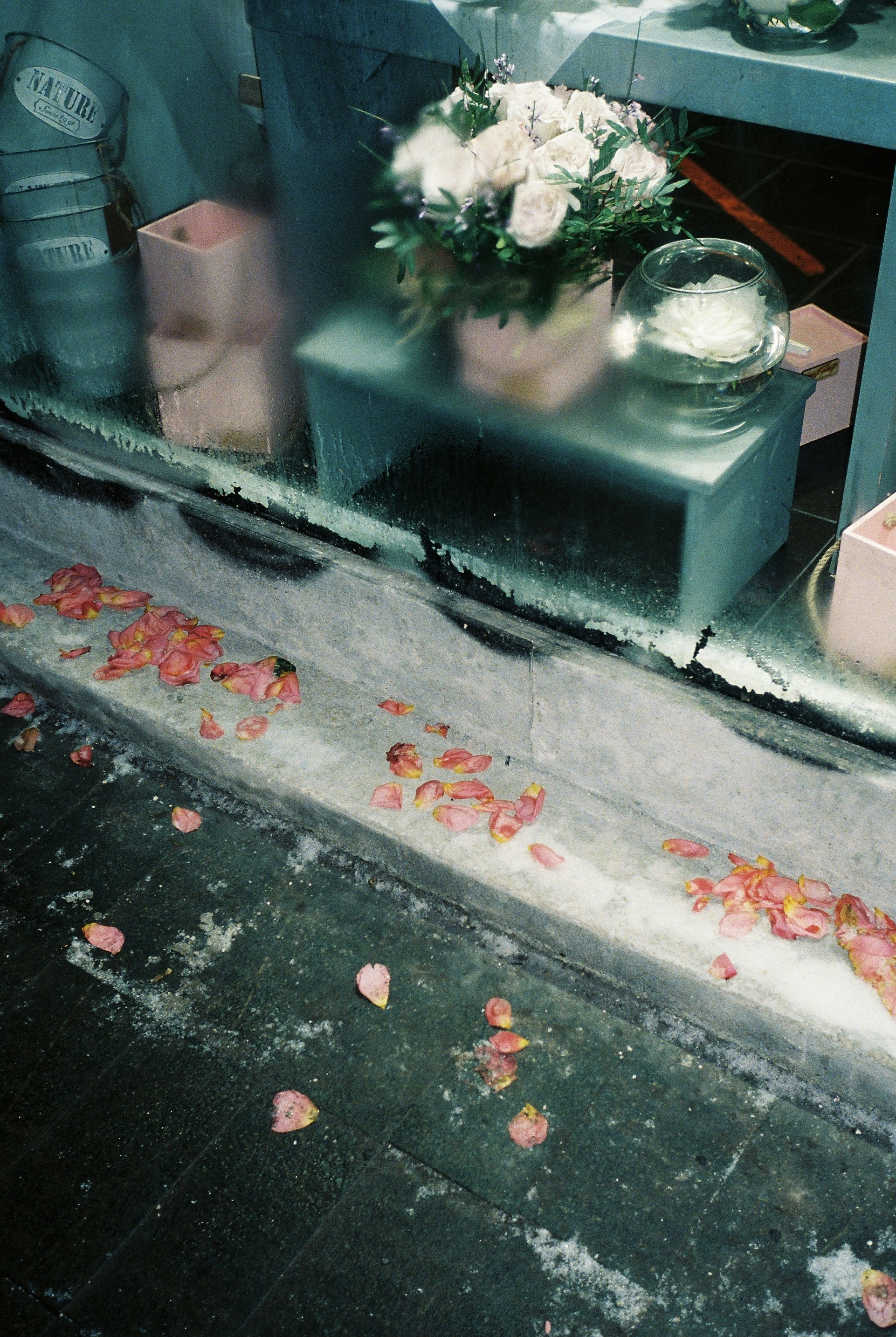
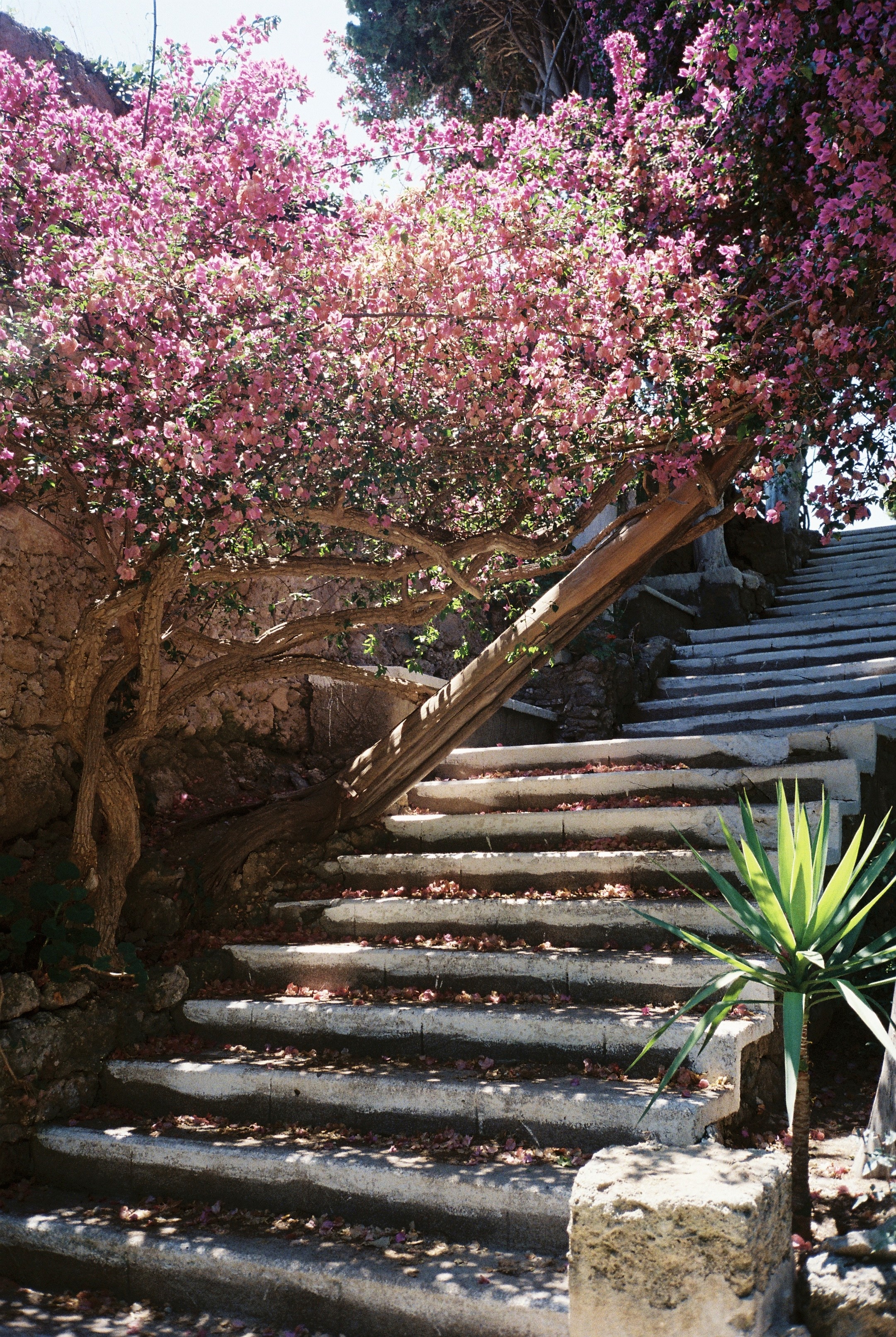
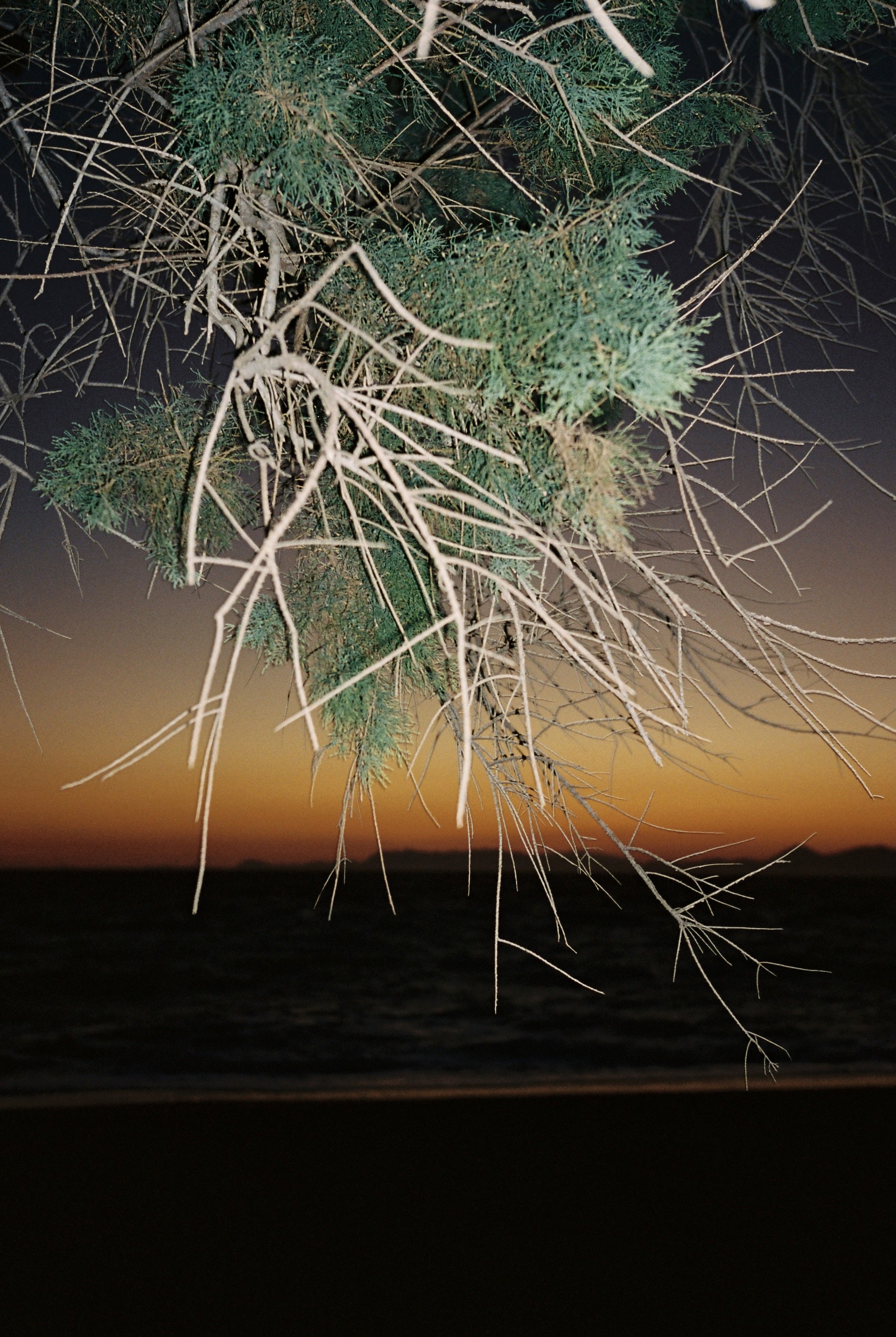
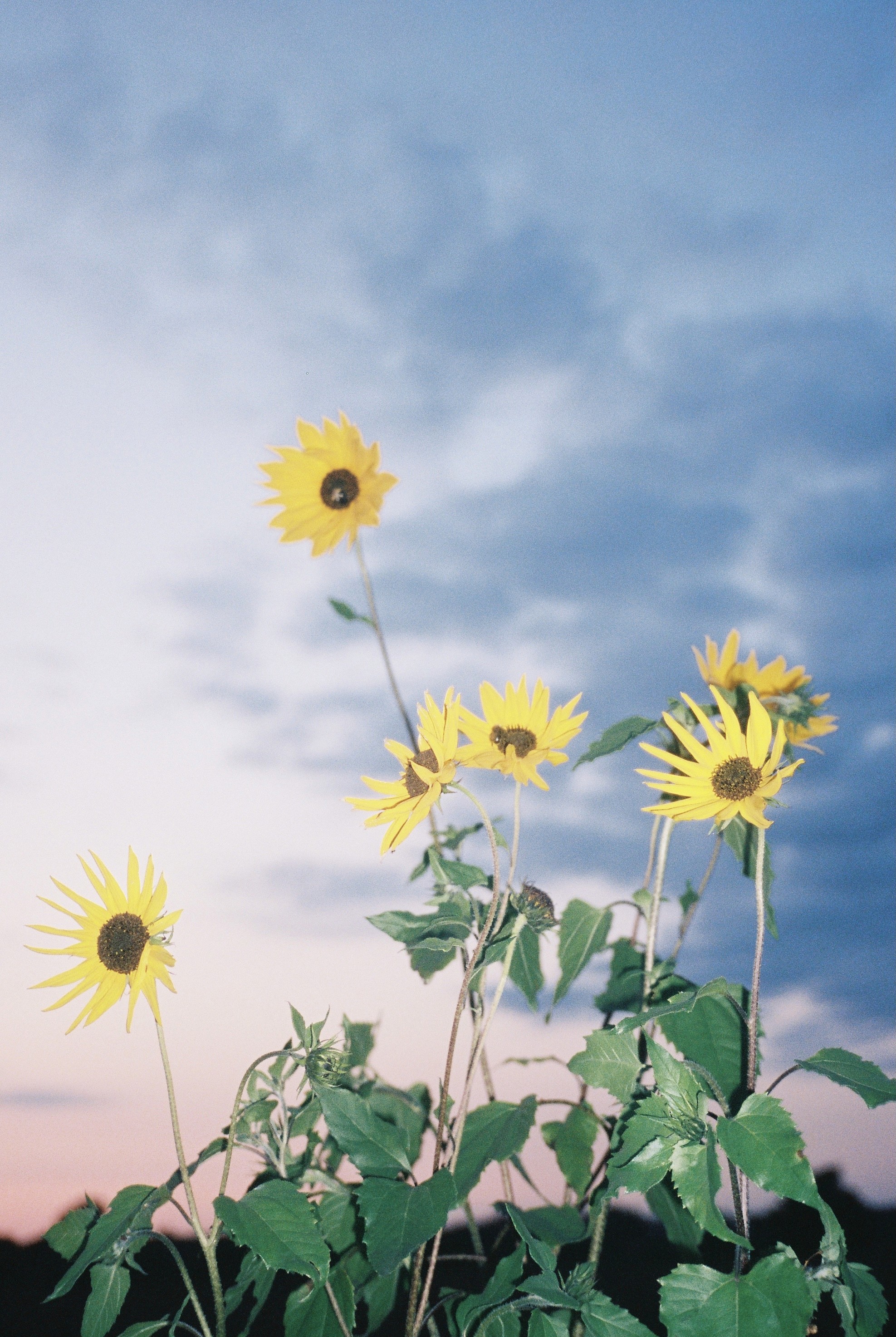
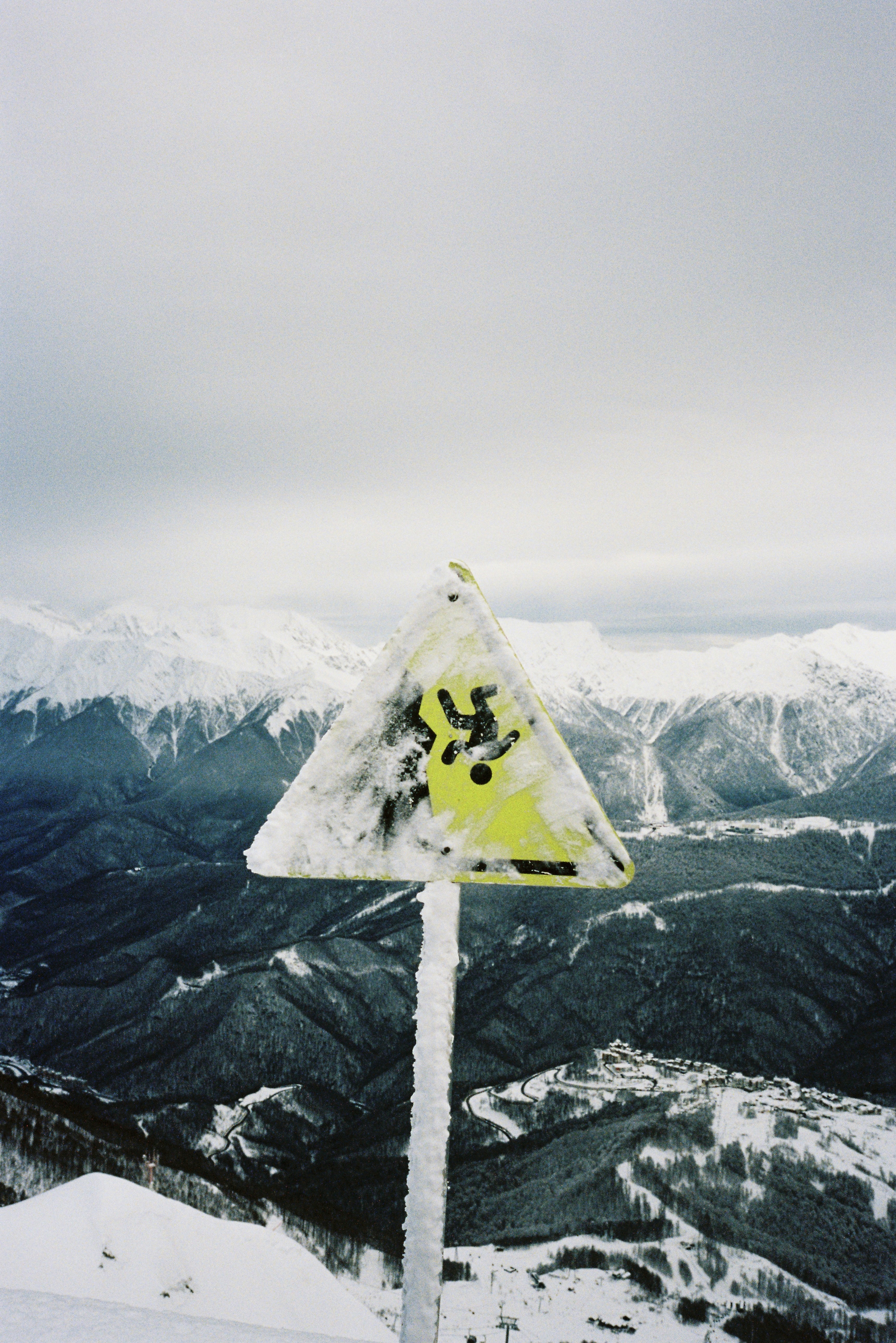
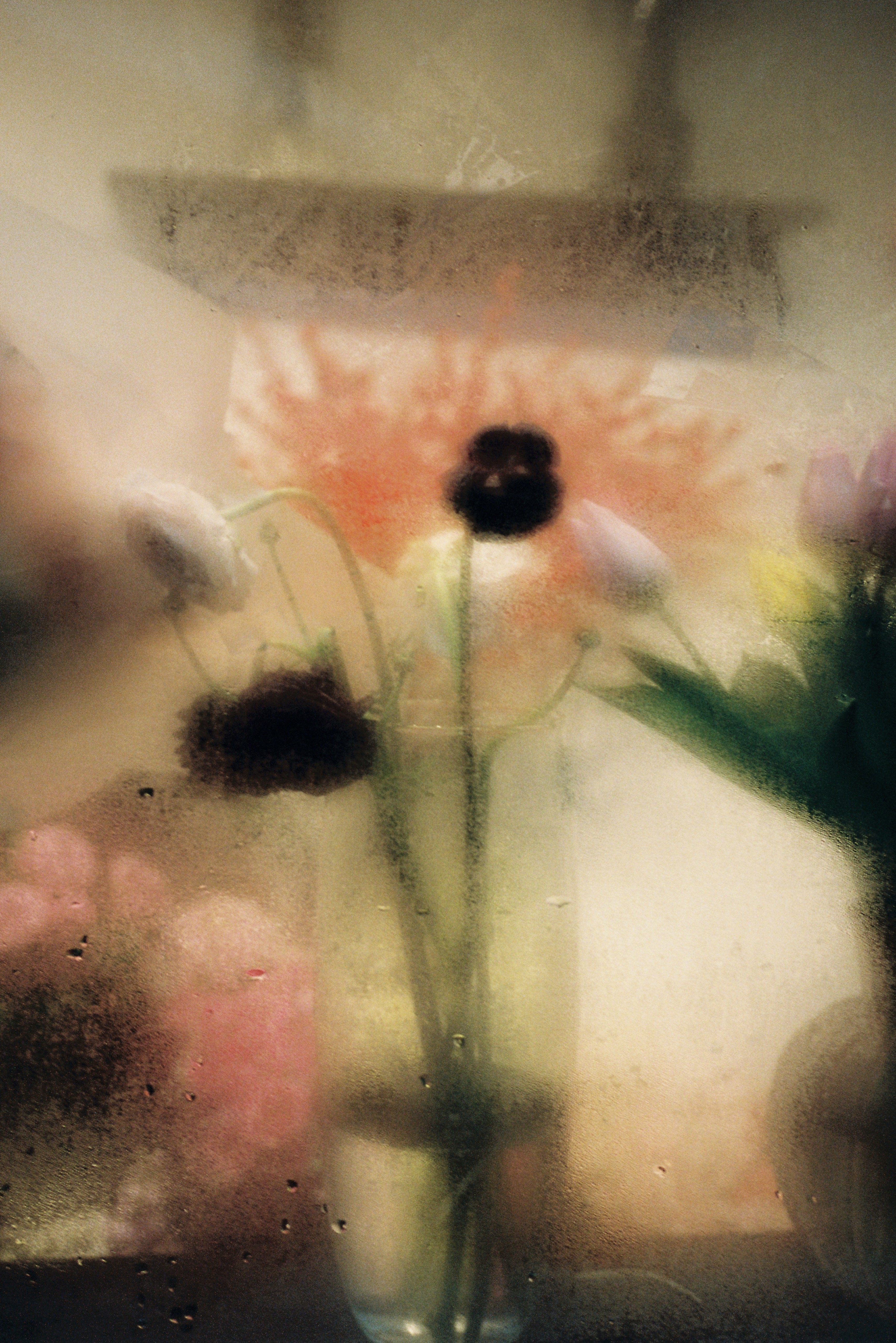
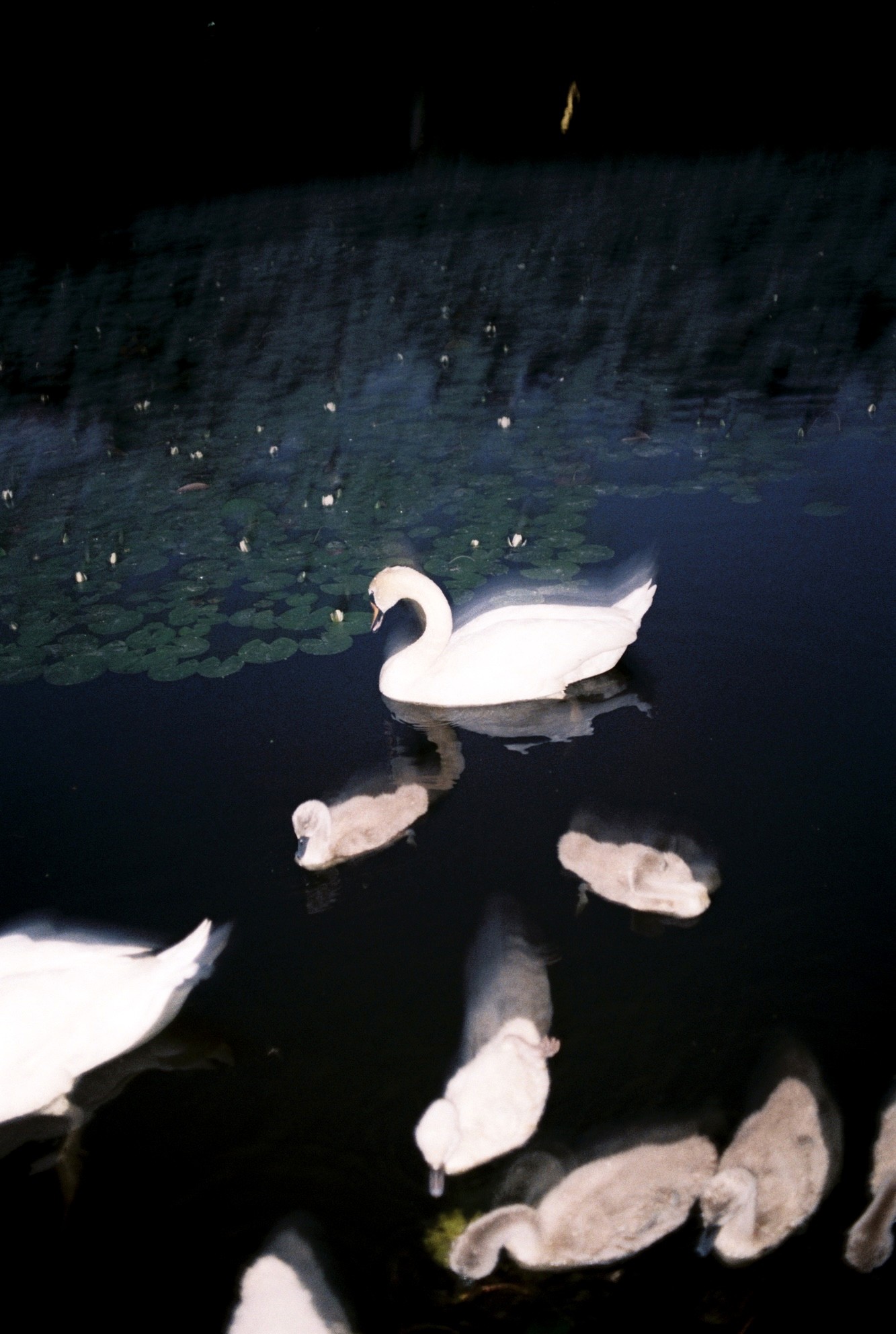
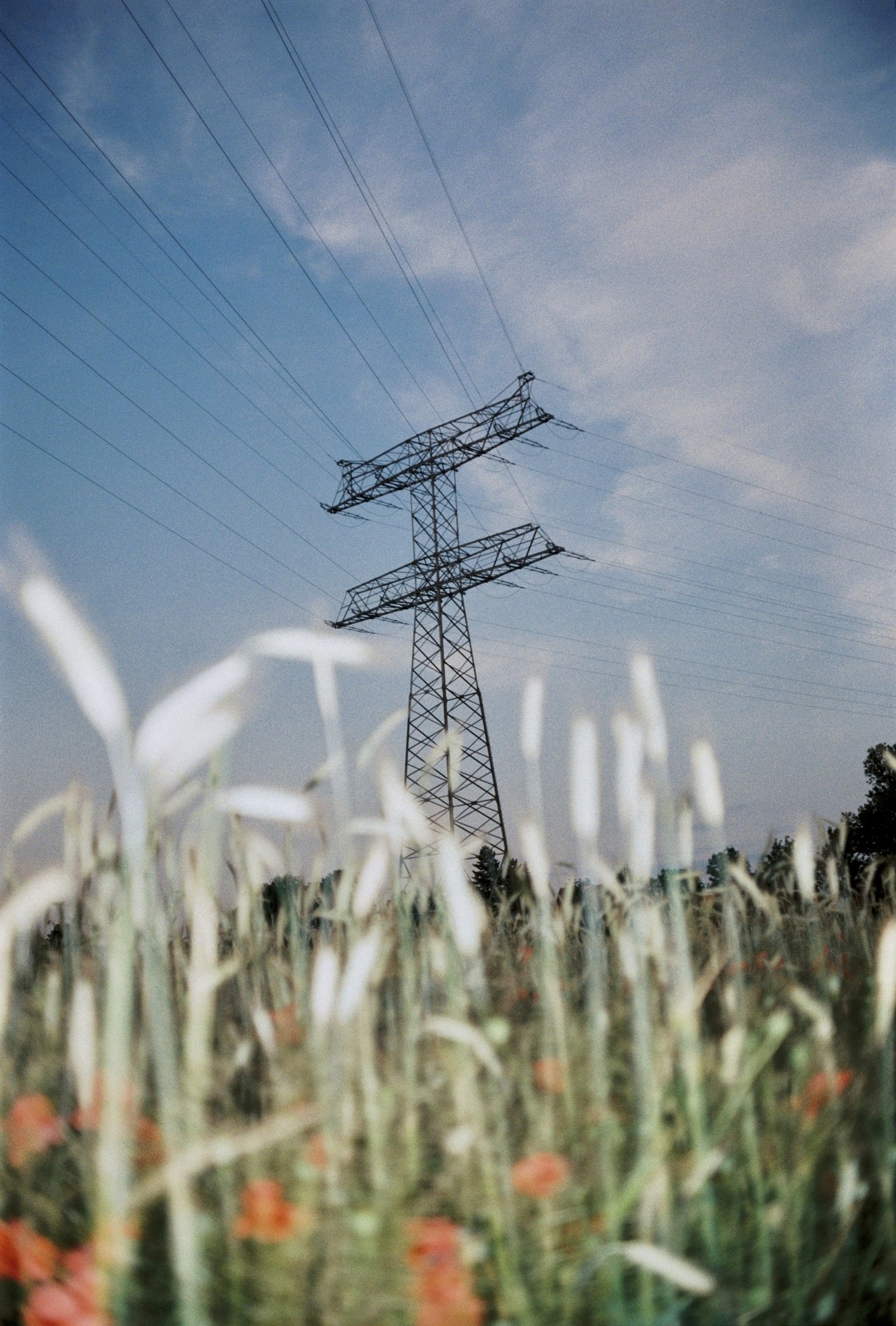
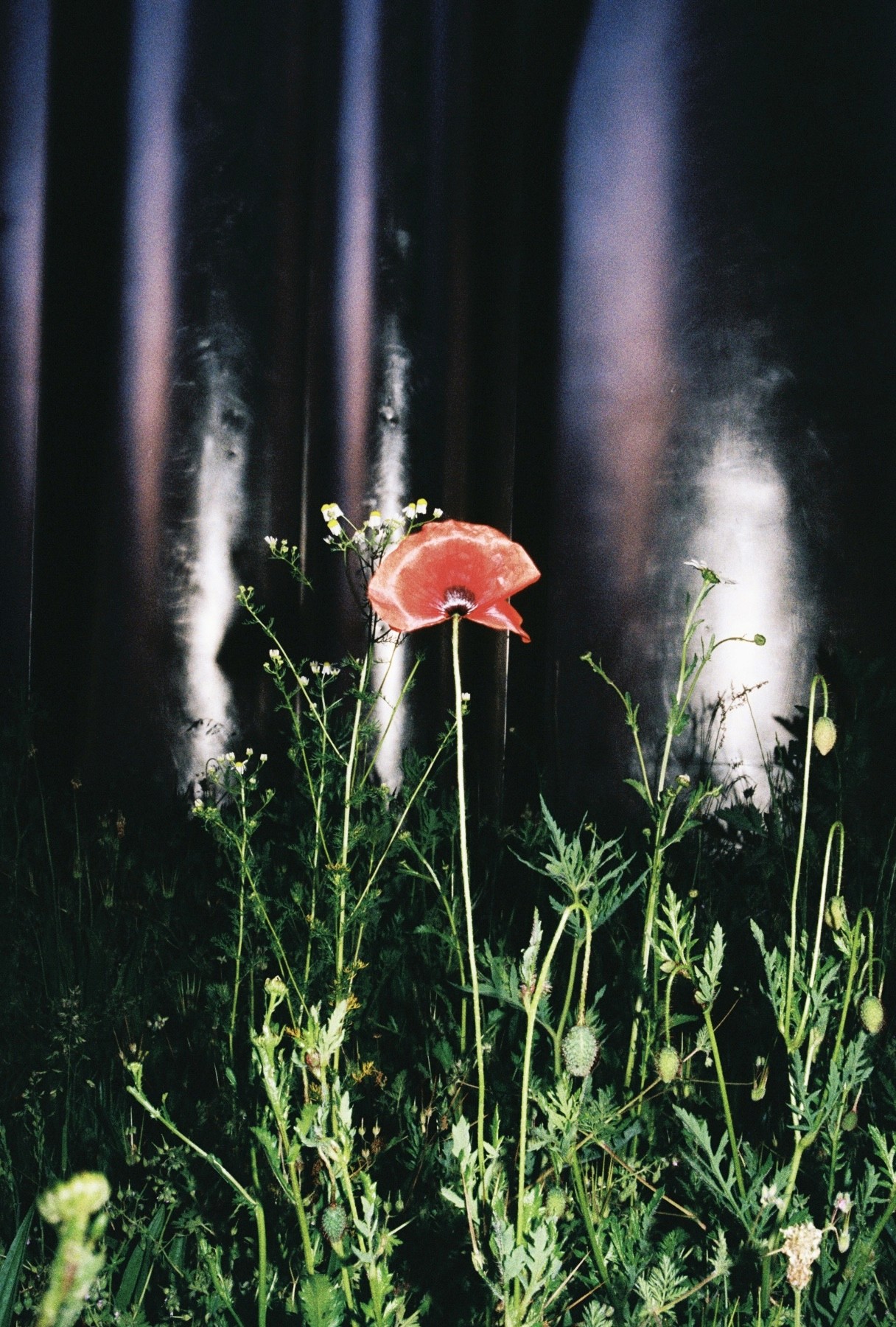
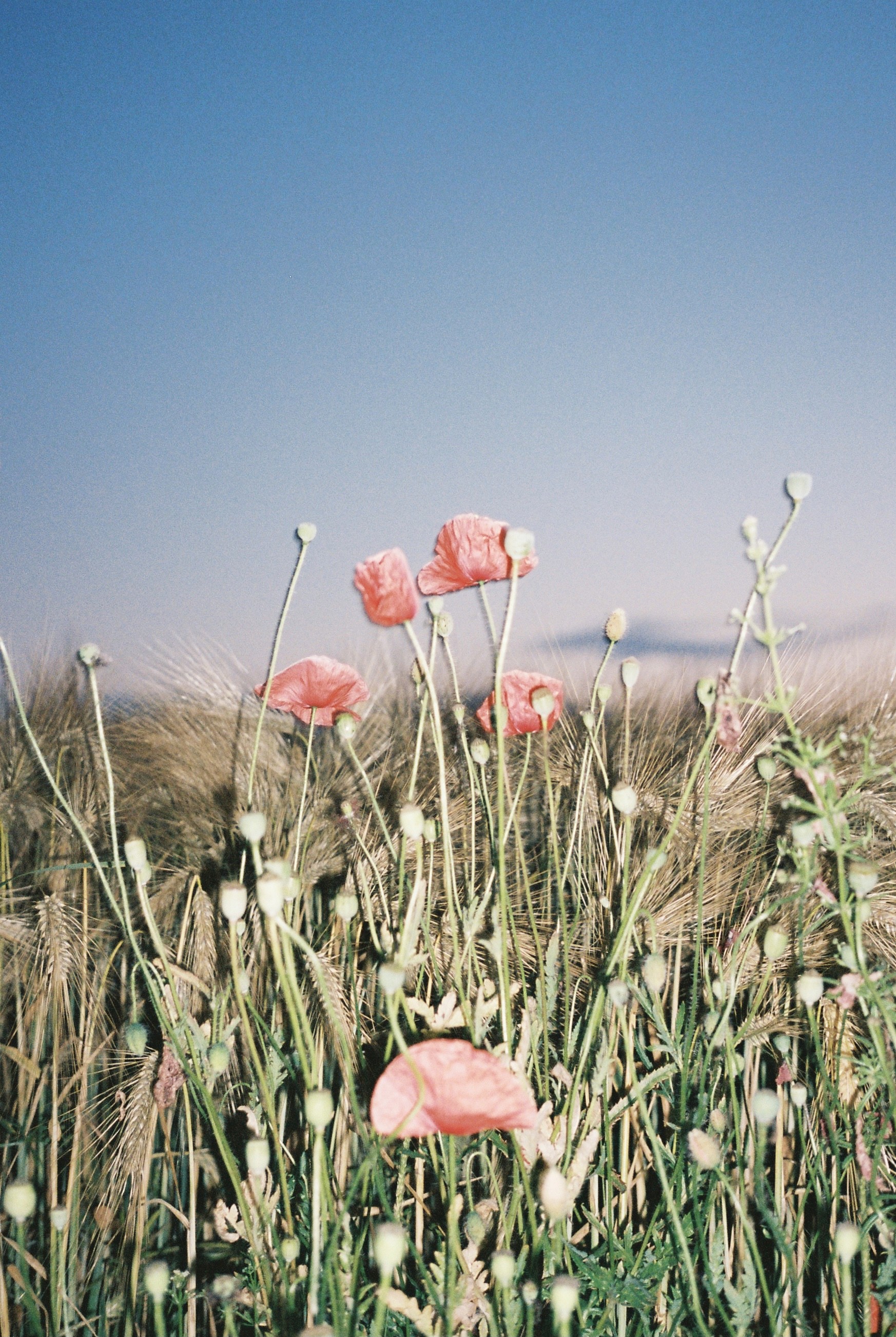
And in Artem Kunz’s photographs, that signal is clear. Framed and held. There’s no effort to elevate or dramatize what a flower is in its brief moment. He doesn’t chase the perfect petal, or wait for golden light. He allows the flower exist within what surrounds it —plastic, concrete, fences, ghosts. It is what it is:
“There’s hardly anything more intimate than capturing a moment that will never happen again. Not before, not after.”
Nobody really sees a flower; they are so on their own and so small that it takes time to look at a flower. Because to really see a flower, you have to understand the conditions it grew in. You have to notice the cracks, the heat, and the discarded things it bloomed beside. You have to sit with the discomfort of its context — gravel, rust, ruin—and still choose to keep looking. We usually don’t have time and heart for that.
But Artem Kunz makes the time.
“Especially with film,” Artem says, “the process becomes a set of rituals, almost a ceremony.”
His photographs do what we often don’t: give the flower its space —not by isolating it from its conditions, but by including them. Including the things that a flower blooms besides and through, the things it blooms in spite of. Because a flower doesn’t bloom in a lifeless vacuum. It blooms in our world, and our world is full of pain and forgotten, broken things. Things we don’t want to look at. A fence. A windowpane. A rusted wall. These aren't just background, but the truth of that flower. The conditions it survived and became what it is today.
And maybe that’s all a flower ever asks of us— not to change the world around it, but simply to see it as it is, and still choose to look. That’s what Artem Kunz does with his camera. And in doing so, he teaches us how to look again.