PHOTOGRAPHY
by Artur Leão
To Enter the Earth
Written by Yasemin Ozer
28/11/2025
Up, Up and Away
We are so obsessed with leaving the Earth without ever having entered it. We just want to go away, don’t we? Leave this place with its mud and sharp rocks, its dampness, its inconvenient truths.
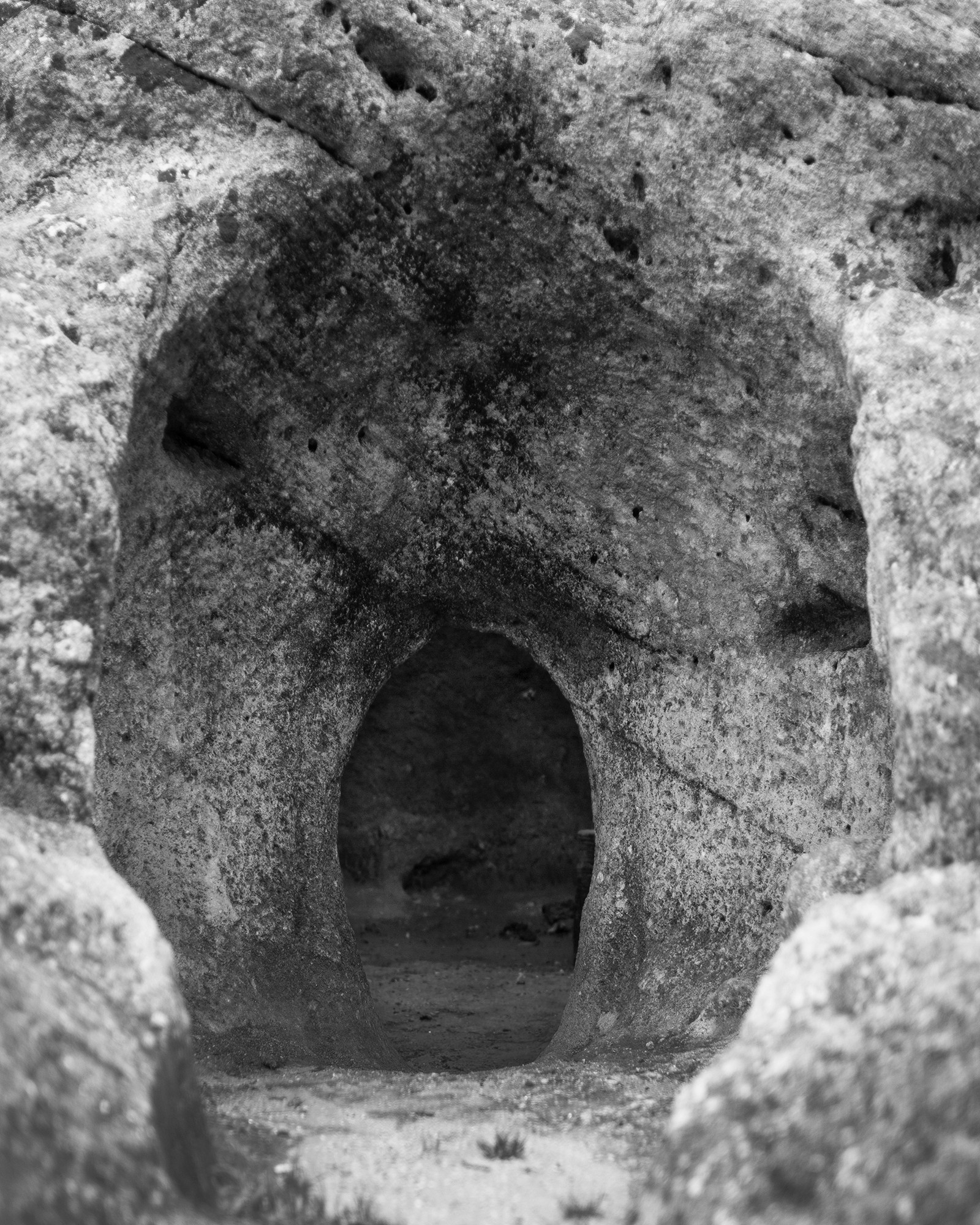
But what if we stayed, instead of looking up? What if we looked beneath our technologies and anxieties? What would we see? Photographer Artur Leão offers us an answer by turning his lens not toward the stars, but into the dark and damp Earth.
Self-Sabotage
We would see ancient hollows in the rocks that know how to hold us, that know how to manage us, and that know how to contain us. Rocks that go as deep as our fears go, rocks that are unbendable, rocks that only obey time.
And what do we do with something that doesn't bend to us? We flee. We mock it.
We destroy it. We self-sabotage it, like self-sabotaging a good relationship.
It simply is—too old, too steady, too deep for our fragile egos to bear.
Fascination & Fear
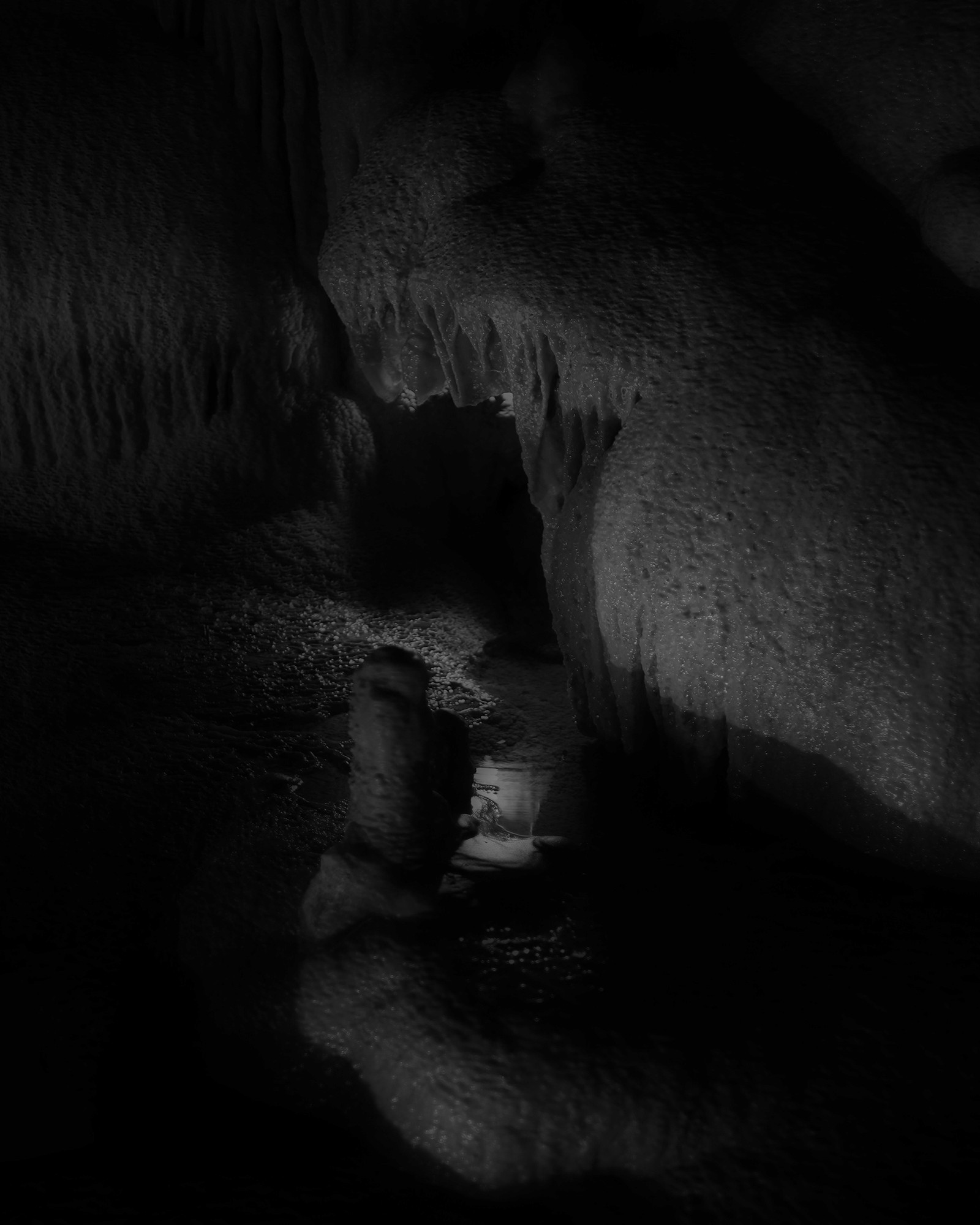
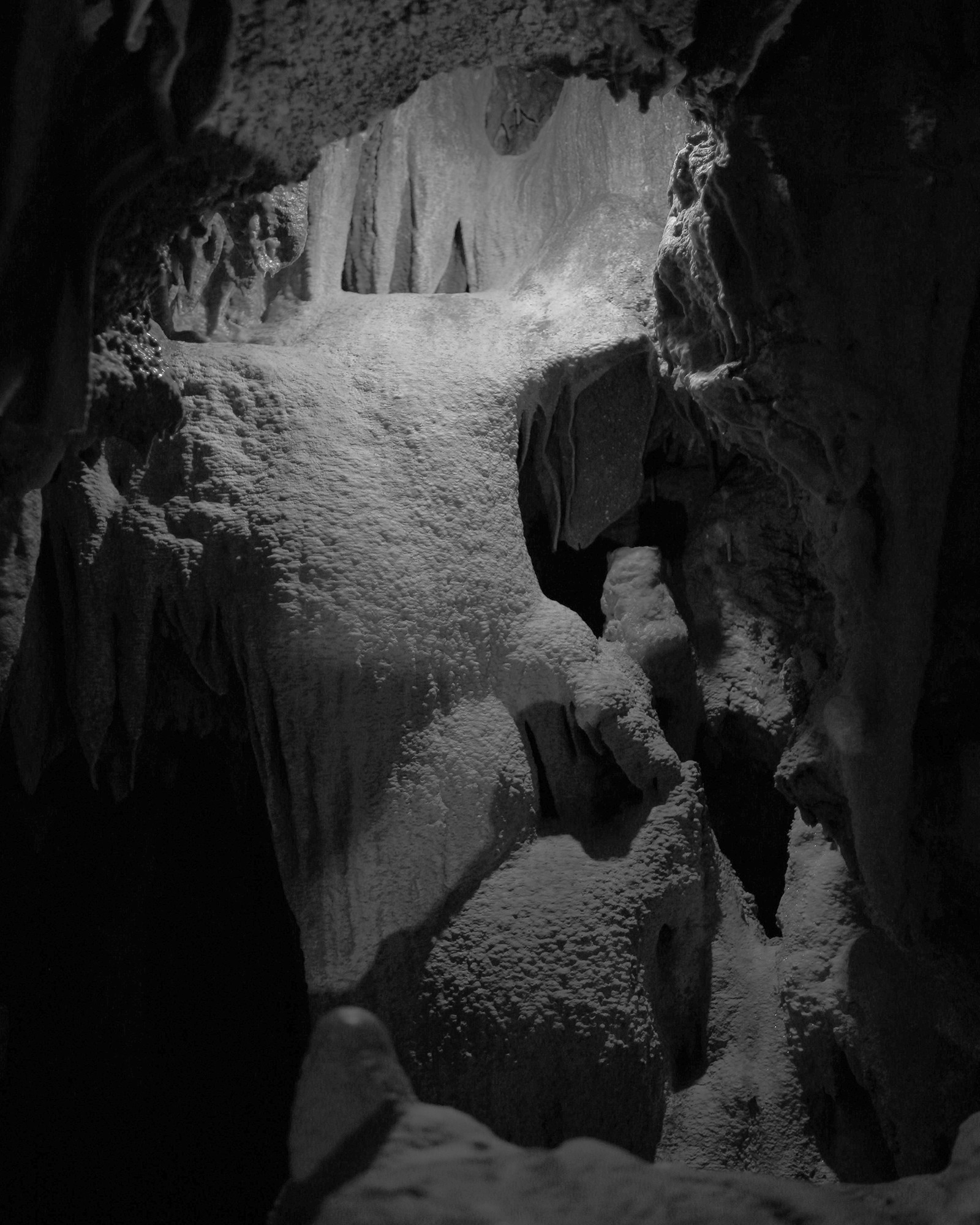
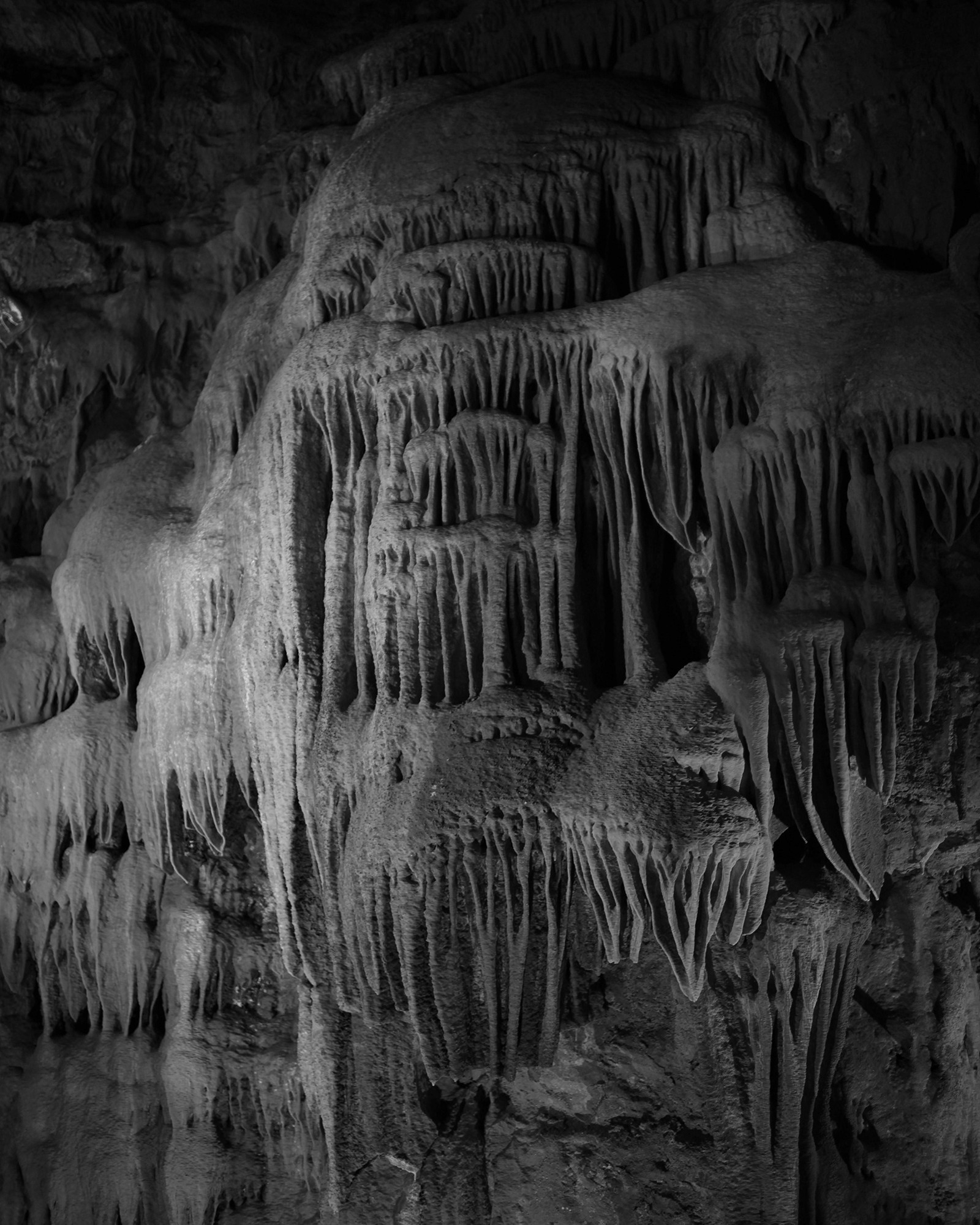
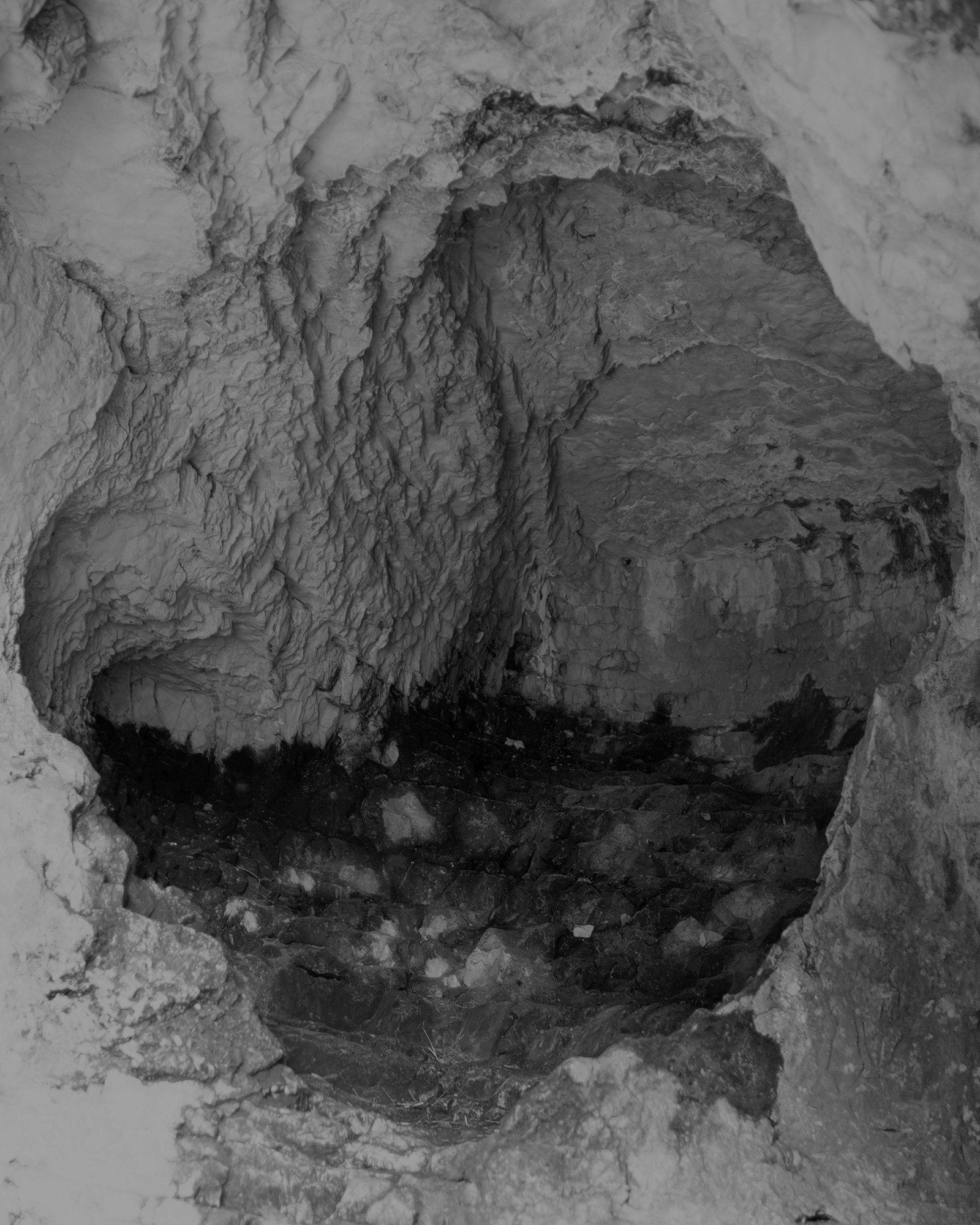
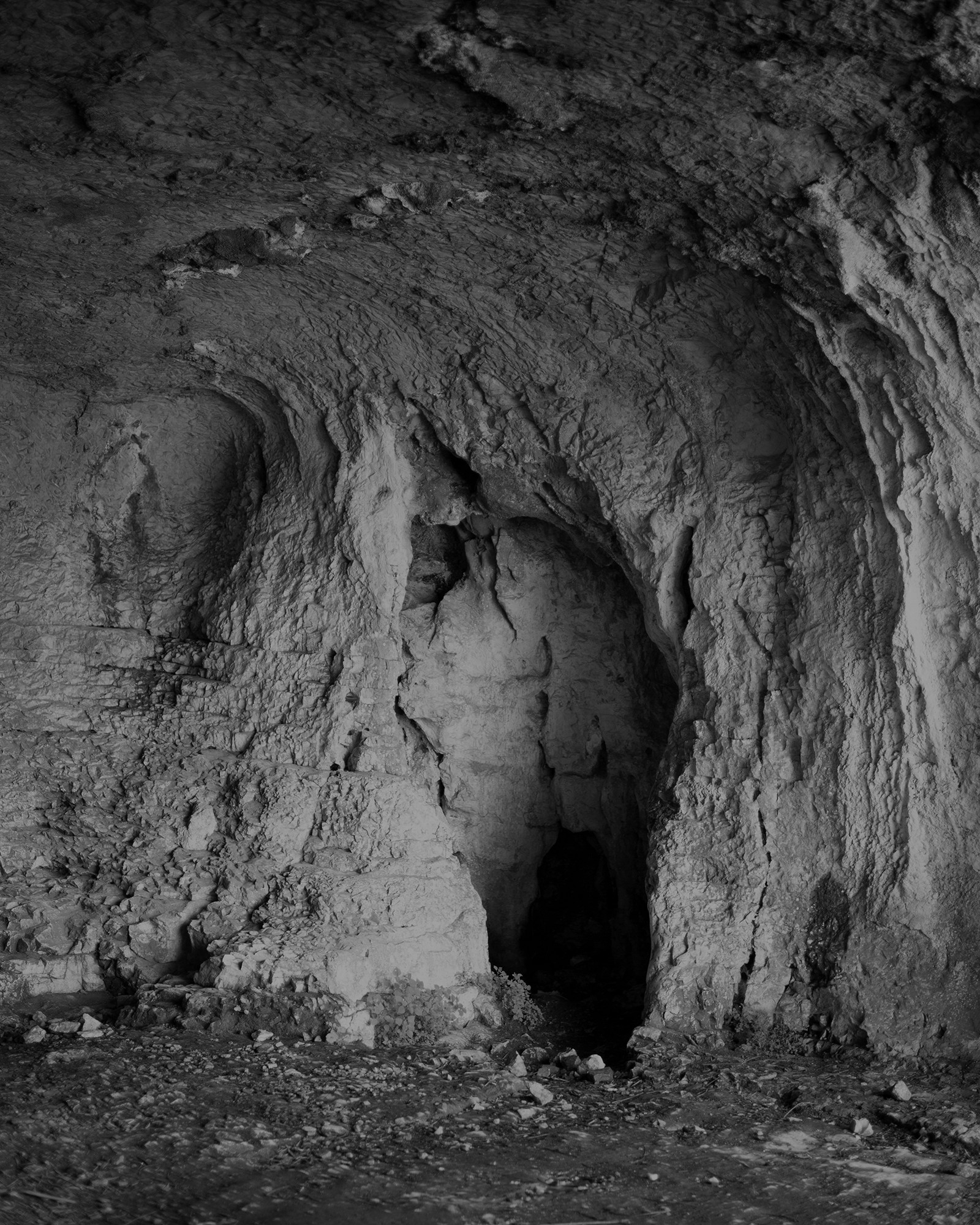
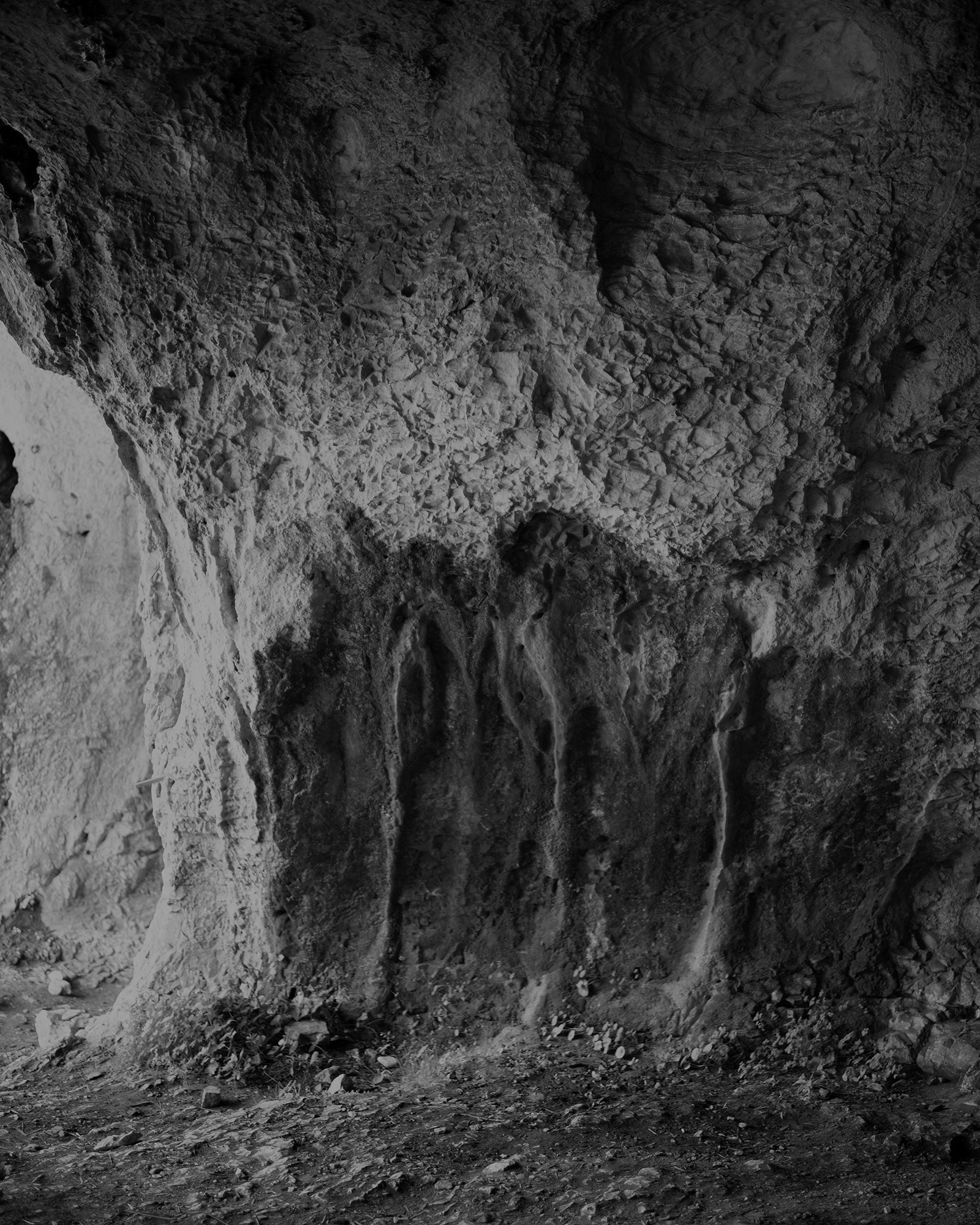
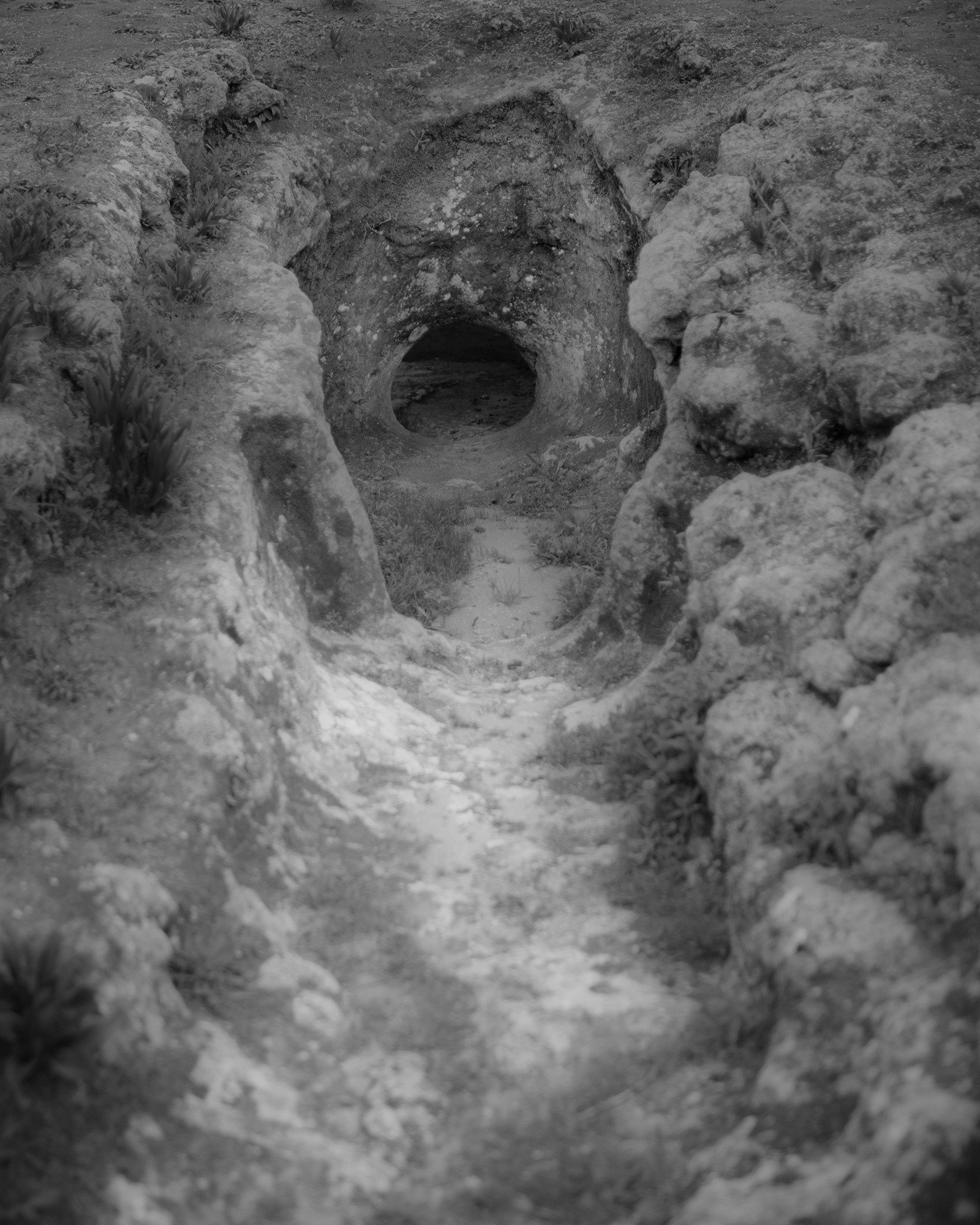
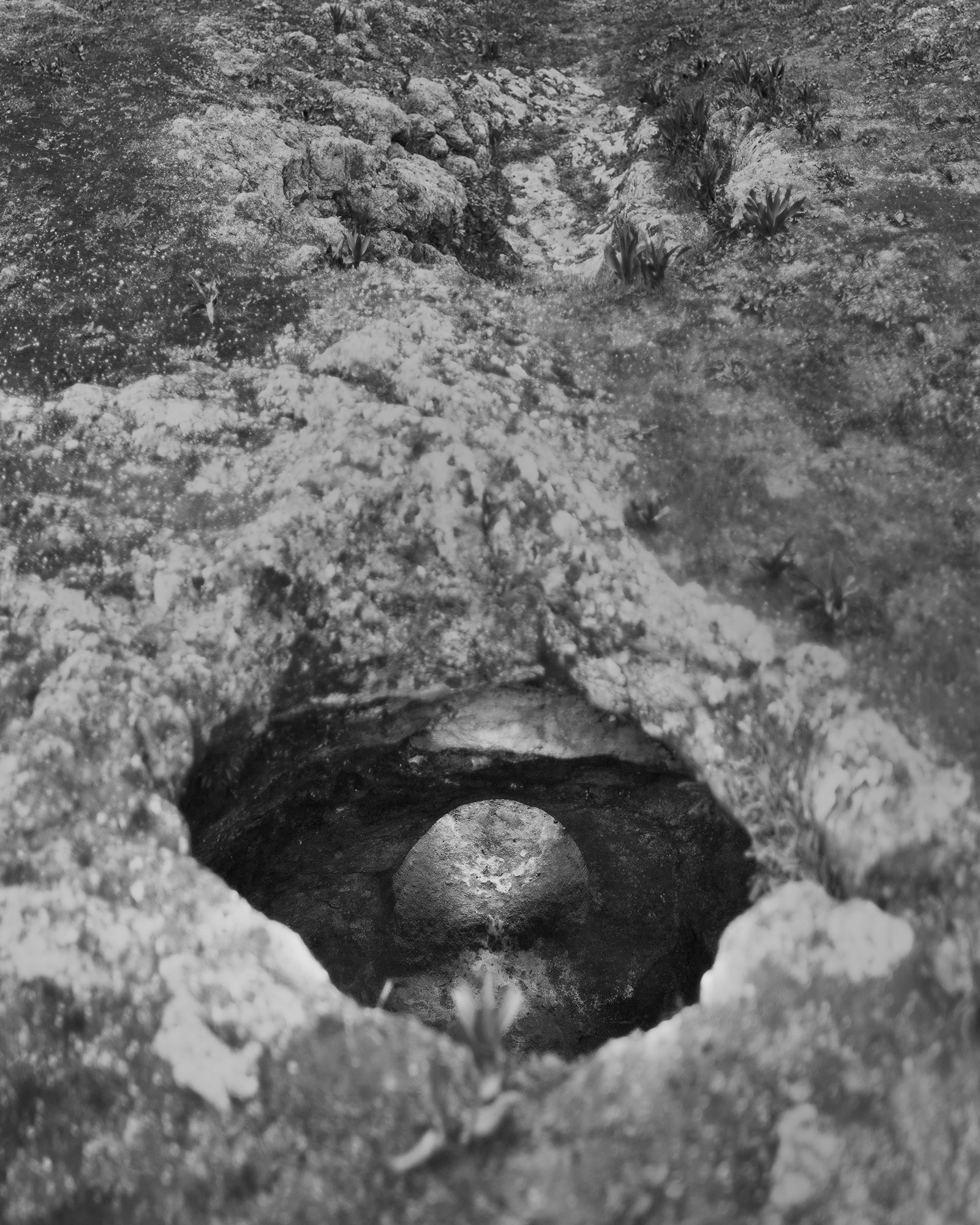
In Tunnels of Time, Artur Leão offers a quiet counter-narrative to the upward obsession of our time. While rockets take off and futures are imagined on other planets, he stays here with his lens and turns downward. Into the soil, into stone, into the unseen. He feels the fascination and fear as he explores these spaces, and he takes the risk to let these ancient hollows change his heart—like a good relationship. Not one built on certainty or control, but on presence and a dose of uncertainty. On a willingness to be shaped by what you don’t fully understand.
You Can Never Be The Same Person Twice
The caves, like the unconscious, do not offer answers. They only echo what you tell them, maybe something trapped inside of you. What they will say back is a mystery, and still, Artur Leão enters. Taking the risk of returning as a different person.
Through presence. Through the humility of not being in control. In Tunnels of Time, Leão isn't seeking clarity but contact. He offers himself to these spaces—to their textures, their absences, their histories—and lets them change the shape of his heart.
Like A Good Relationship
In these images, there is no spectacle.
No fancy narrative. Just texture. Shadow. Dampness. The intimacy of stone. His photographs do not shout; they ask for patience. Like Earth does. Like all good relationships do, and we need one with our planet, not the next one; the one right here. The one right in front of us. Beneath us. The one holding a piece of us, always—even when we don’t see it.
The one we’ll always belong to
—like a good relationship.