Photo:
Nat Geo
STORY
Here I Fall
Written by
Yasemin Özer
“Nothing is lost. Everything is transformed.”
Antoine Lavoisier,
Law of Conservation of Mass
Silence & Gravity
When a whale dies, its huge body full of memory, seafood, and Hydrogen sulfide starts free-falling into the deep waters it once roamed freely. Moving in silence and gravity, it eventually lands on the pale seabed, triggering a rare and radical transformation.
A Gift From The Skies
In the depths of cold black pressure, with no food, no light, and no help, the whale is a bounty of food equivalent to what small particles would provide over 200 to 2,000 years. It’s a cosmic gift from the surface—the sky for the blind and waiting mouths that live there.
And it begins... Its plankton-covered skin, still thick and sun-scored, peels for crabs and amphipods. The blubber—soaked in years of migration and salt—is torn away in chunks, feeding the first wave of arrivals.
Take Your Time
Everyone takes their position around the whale: the hagfish swarm low, slipping under folds of loosened flesh. Sleeper sharks drift in slow orbits, unbothered, confident that time is on their side, and it is. Crabs take over its collapsing fins. Polychaete worms begin digging for bones, spiraling into sediment bathed in memory and fat.
Flesh, Fat, Bone.
The body gives itself in layers—flesh, then fat, then bone. Days pass. Then months.
The larger scavengers move on with their lives and stomachs, satisfied or not. But the whale is not done. Its oils bleed into the sediment, and its marrow softens like its waters. And a new hunger stirs the sea. Smaller creatures come running—worms, snails, shrimp—the tiny keepers of the in-between, to pick what's left behind: scraps of tissue, threads of collagen, and the oil in the dirt.
Bones & Soil
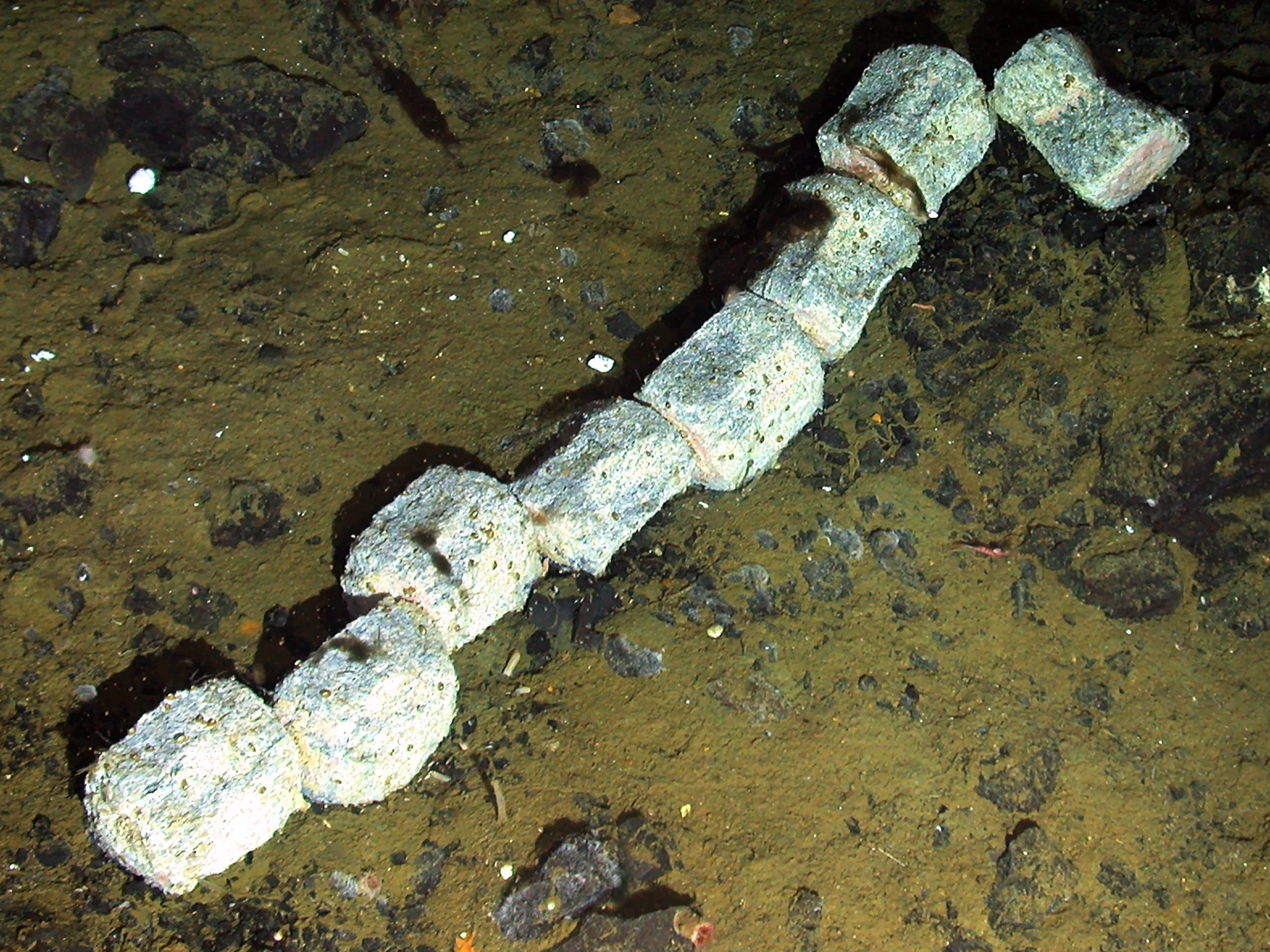
And then come the bone-eaters. Ruthless, mouthless, blind, yet perfectly made for this moment. Osedax worms arrive with their crimson plumes. They land like seeds on a barren land, sprouting their roots deep into the whale’s fractured bones—their soil. Inside each worm lives a world symbiotic bacteria that know how to break fat down into sustenance, into life.
No One Knows
And one day, at least 50 years later, the whale stops being a body. It lets go of form, of purpose, of the urgency of flesh. It is finally alone. But not empty. It is a place now. A graveyard. A reef. And above, no one knows. Not the fisherman. Not the cruise ship. Not the satellite. Not even me.