STORY
The Beauty and The Beast
Written by
Yasemin Özer
Who Gets To Live
The biodiversity crisis is intensifying, and species are sinking like stones into the oblivion. There is a race to save some but not all. How are we going to decide which ones to save and which ones to forget?
The Beauty and The Beast
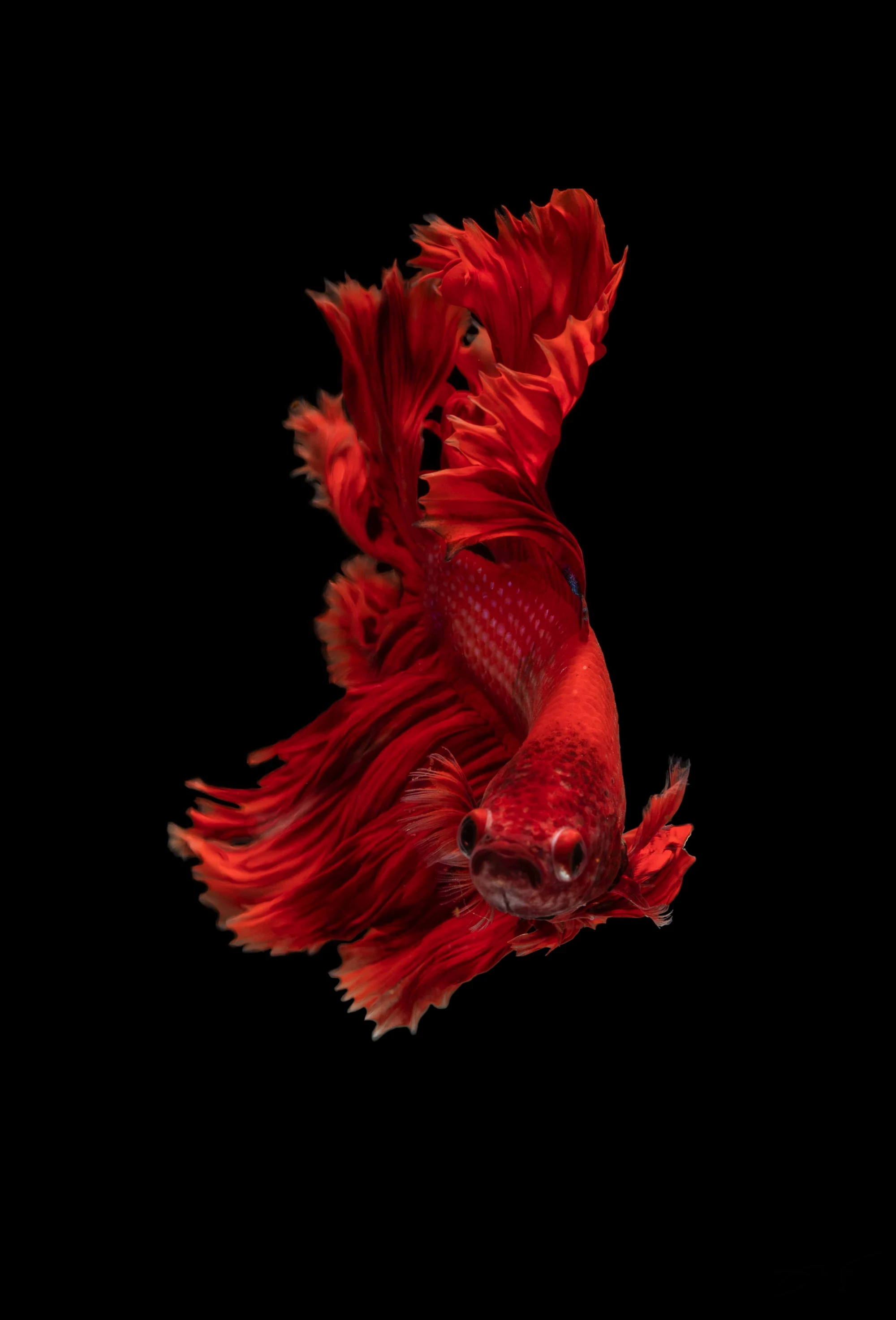
Billboards and high-budget conservation programs select their "star" species not based on nature's needs but on our "aesthetic preferences." Species that stand out with their patterns, "objective" beauty, cuteness, and innocence are far more likely to receive dedicated conservation efforts.
Most of us are not very inclined to buy tote bags or pencil cases featuring sharp-toothed, scary, or repulsive creatures—and environmental organizations' marketing departments are well aware of this. We heavily favor species that align with our conventional standards of beauty.
We are by far more prone to saving the beauties of this planet than the beasts, even if they are ecologically more critical species.
Too Cute To Die
Then there are cute species; they are the biggest winners of the extinction lottery. Their strength comes from their resemblance to human babies with big, meaningful eyes and soft facial contours; these trigger our parental care instincts and prompt us to take action.
We save animals that will make good fluffy kids toys and not look intimidating on billboards; we don’t want the ugly ones or the weird ones, and definitely not the scary ones.
Survival of the Worthiest?
What we are doing is not saving; it’s selecting the most human animals possible. We have always had a hand in picking the winners and losers of the animal kingdom, often based on their taste, cuteness, or usefulness. These were always the factors making an animal worth living in our age, but now we are doing that at an unprecedented rate, and Charles Darwin's survival of the fittest is turning into survival of the worthiest.
But what about the thousands of life forms that are lacking in looks or obvious function to us? Because they still have a function, a place in nature. They all serve a purpose that we cannot fill after they are gone.
Missing Pieces
Our choices should be based on the greater good of the planet, not our personal preferences. Because ecosystems are delicate puzzles, and if we keep on missing so many pieces, we can never achieve the whole picture.