STORY
Think Like a Mountain
Written by
Yasemin Özer
“In wildness is the salvation of the world.”
Henry David Thoreau,
an American naturalist, philosopher, and writer
Familiar Cycle
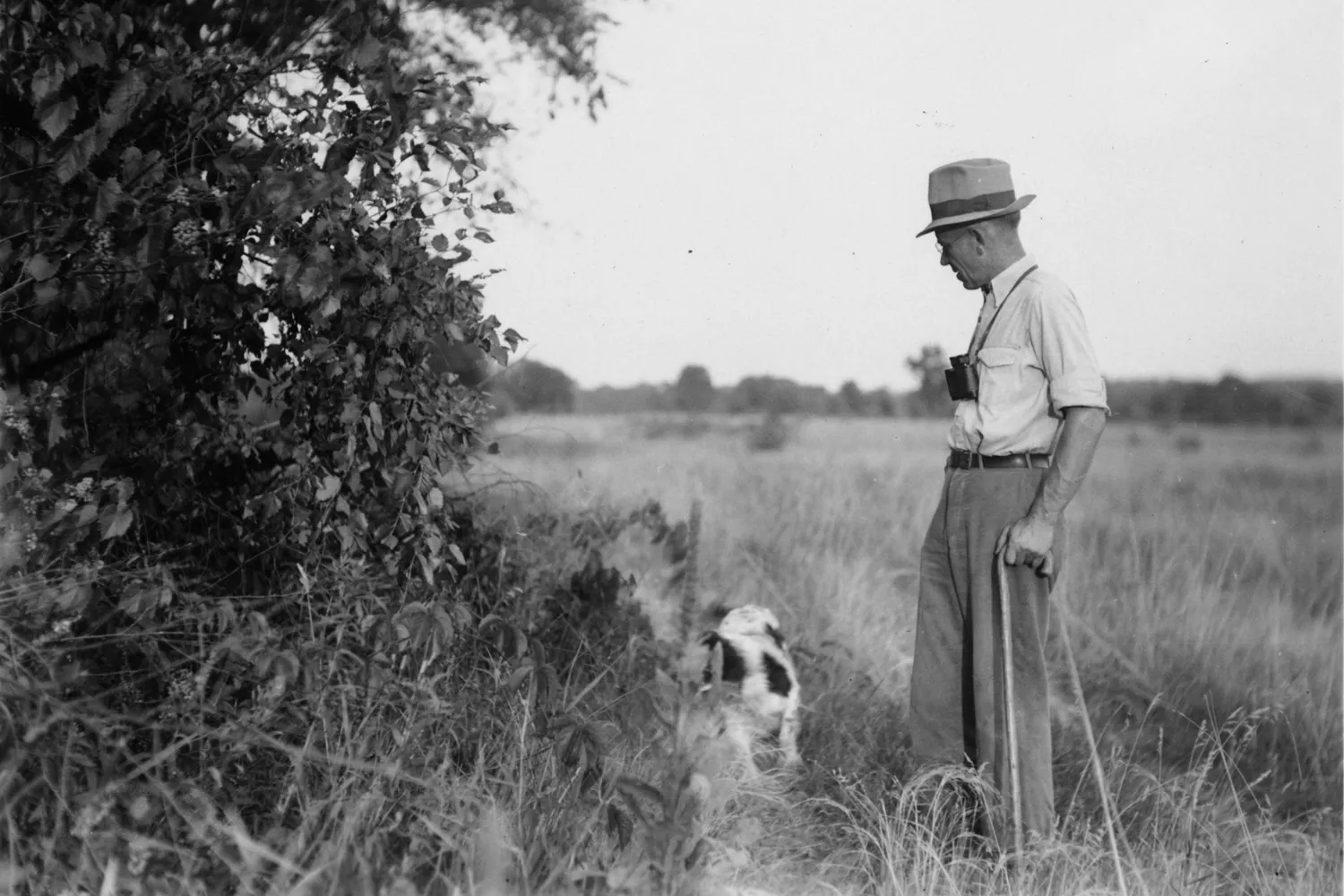
The master of environmental ethics, Aldo Leopold, thought like a mountain after witnessing the bright death of a wolf, shot violently and dying in great pain. During Leopold's time, no one would ever miss the chance to kill a wolf because fewer wolves meant more deer, which meant the “best” hunting experiences.
So hunters would kill to be able to kill more. What a familiar cycle.
Fierce Green Fire
When Leopold saw "the fierce green fire dying in her eyes," he knew that neither the mountain nor the wolf deserved this brutal end. He said to himself that if humanity thought like a mountain, it would harm neither the wolf nor the bird breathing on its slopes, for they would all belong to the mountain.
Pain Is The Enemy
Leopold realized that the similarities we hold with mountains, wolves, and deer in this story are greater than we think. We all strive for safety, comfort, and peace. The deer and the wolf strive for the exact same things, as does the hunter with its traps and poisons. So does the mountain. We are all hiding from the same thing: Pain.
Everyone has a heart, and it always feels something.
Holding Hands
The wolves aren’t just wolves, and deer aren’t just deer; they are alive and here against all odds. They have eyes and brains, as well as hearts—full of desire, contraction, and a will to live, to climb the mountain, and see the sunset for the last time. That must count for something.
But the mountain that Leopold showed won’t just sit there like a bare stone; it has to be loved, to be met. We have to reach out and hold the hands of the wolves, the deer, the huntsmen, and the mountain itself. The problem is that we’ve never held so many hands at once; the human skin never stretched so far—but the times we live in demand it.