STORY
Wolves In My Garden
Written by
Yasemin Özer
“We need another and a wiser and perhaps a more mystical concept of animals… In a world older and more complete than ours, they move finished and complete, gifted with the extensions of the senses we have lost or never attained.”
Henry Beston,
The Outermost House
I am Coming Home
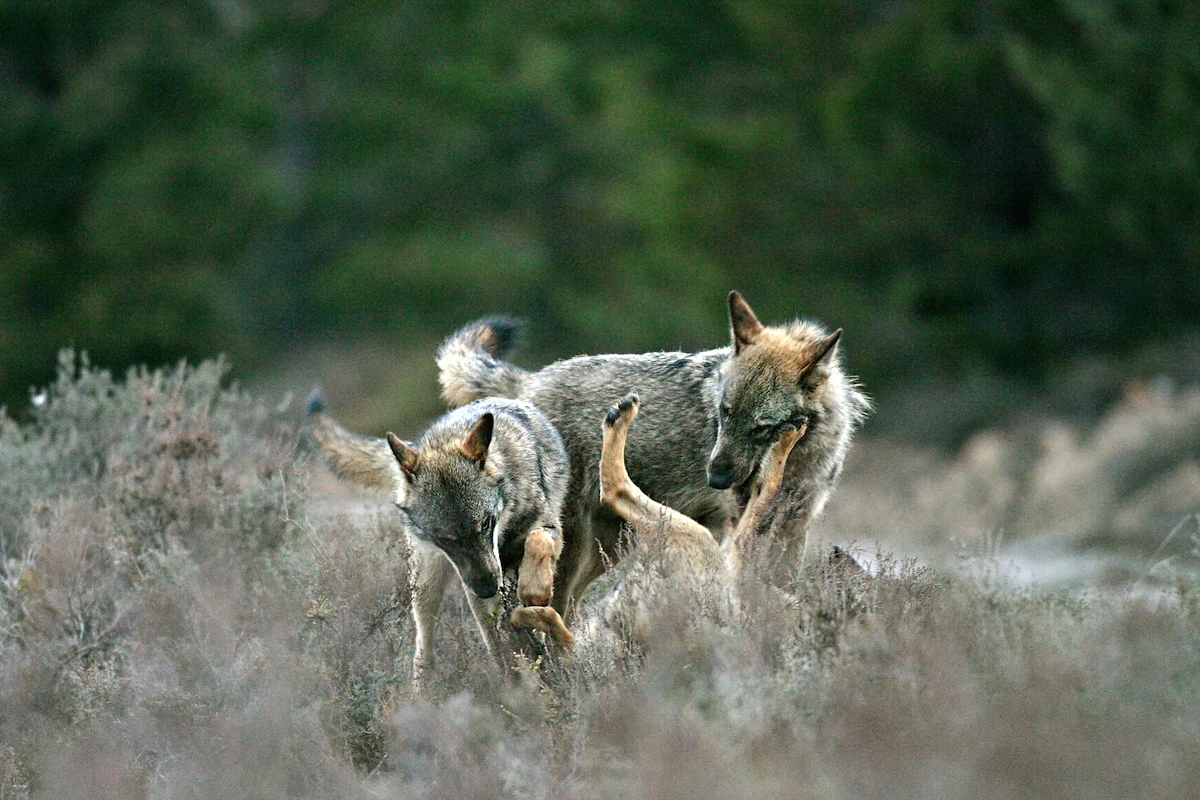
They are coming back home—the wolves, bears, lynx, and wolverines. Not as folklore and myth this time, but in flesh and blood. Across Europe, the quiet return of large carnivores is reshaping landscapes once emptied by fear and farming. After centuries of persecution and erasure, the old architects of balance are finding their way home through rewilding.
Wolves now number over 23,000 across the continent—a 35% increase since 2016. Brown bears, Eurasian lynx, Iberian lynx, even wolverines once considered ghosts of the past are returning to forests, mountains, and even farmland edges; bringing a new idea for Europe with them: Are humans ready to share the land with carnivores?
Don’t Make A Mess This Time
Not just tolerate them behind fences or watch them through binoculars on distant ridgelines—but truly share the land. Because their return isn’t just symbolic. This is our chance to reconsider our relationship with carnivores in Europe, and that chance might not be offered again.
We are living in a rare moment when history, science, and wildness have aligned, when the landscapes are ready and waiting for help from their usual residents, and the animals are ready—waiting for us to decide without making a mess.
The real question is no longer whether they can come back or not, but whether we can let them stay.
Us
To let go of the myth that nature can be organized into tidy categories like our human world: human space here, wild space over there. To replace fear with fascination. And most importantly, to stop competing to stop fighting with them over who’s the biggest predator. It’s surely us.
The predators don’t just bring death—they bring rhythm. They thin the overgrowth. They push the herds and reshape rivers. When a wolf pack enters a valley, the deer no longer stay in one place too long, so the saplings begin to grow again, no longer chewed down before they can grow back. The trees thicken. The birds return because there is food and life again. The rivers, once stepped too harshly and eroded, begin again. This is what scientists call trophic cascades. But what it really is—what it feels like—is a system remembering its name. A predator’s gift is not peace, but aliveness. Also the truth, that life requires a fight and some amount of tension—not as danger, but as dynamism—to exist. Without them, the world grows numb. Slows down.
Predators To Lead
Rewilding isn’t just about putting animals back into their right place but also people and the relationships they hold back into their right place—where they belong.
And if we are wise, we will not only let them stay, but we let them lead nature and us.