PHOTOGRAPHY
by
Paula Guardián
Life Will Persist
Written by
Yasemin Özer
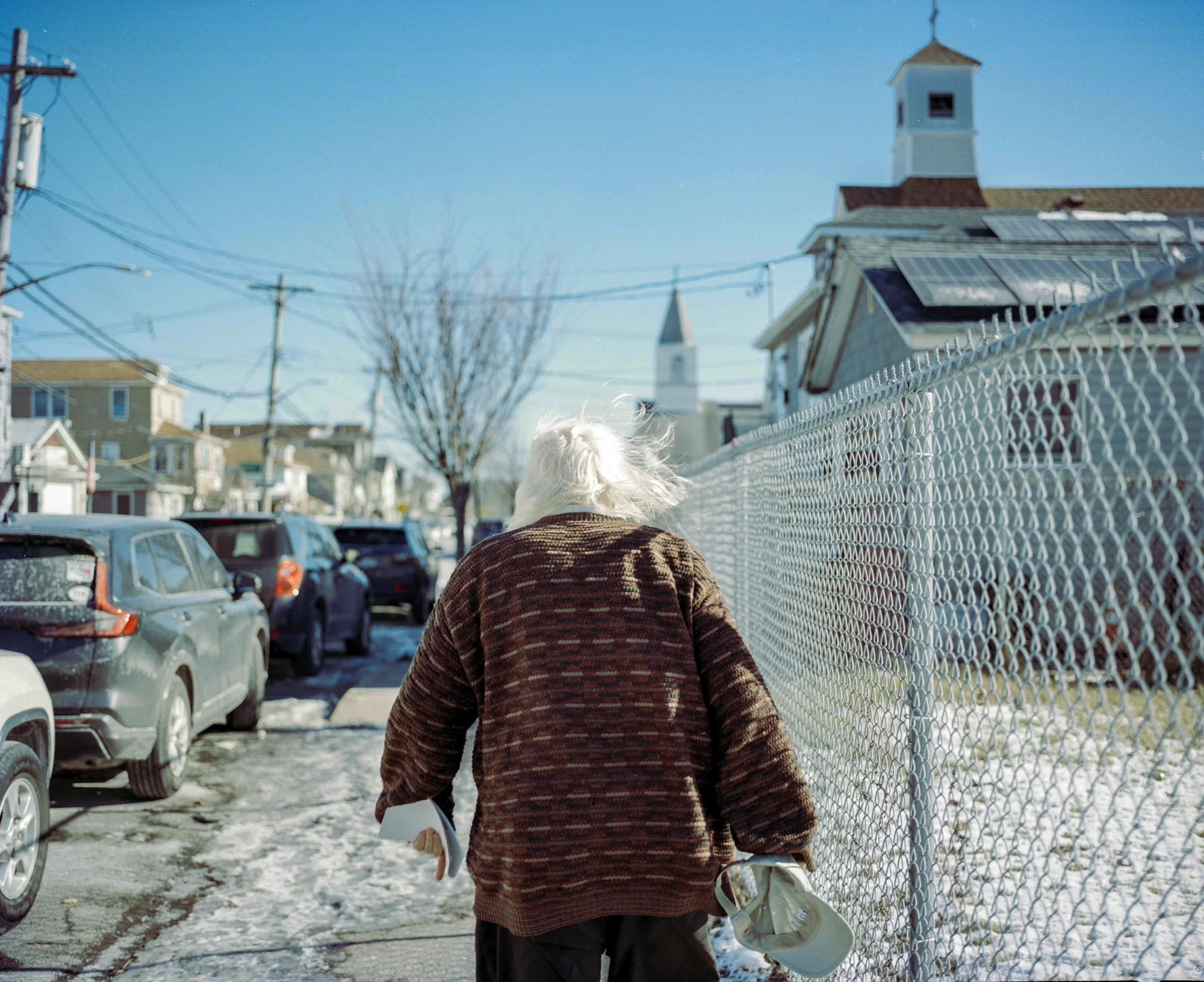
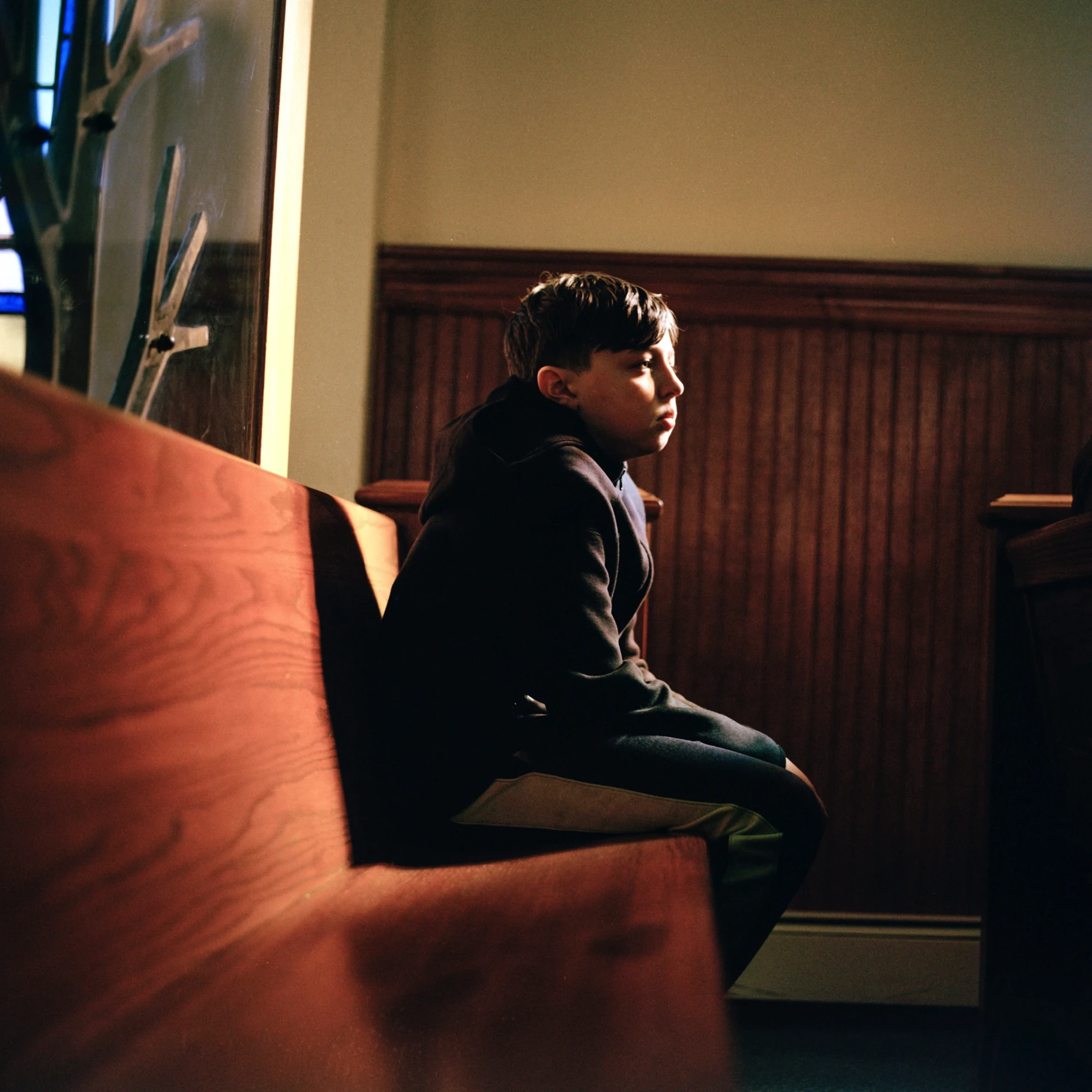
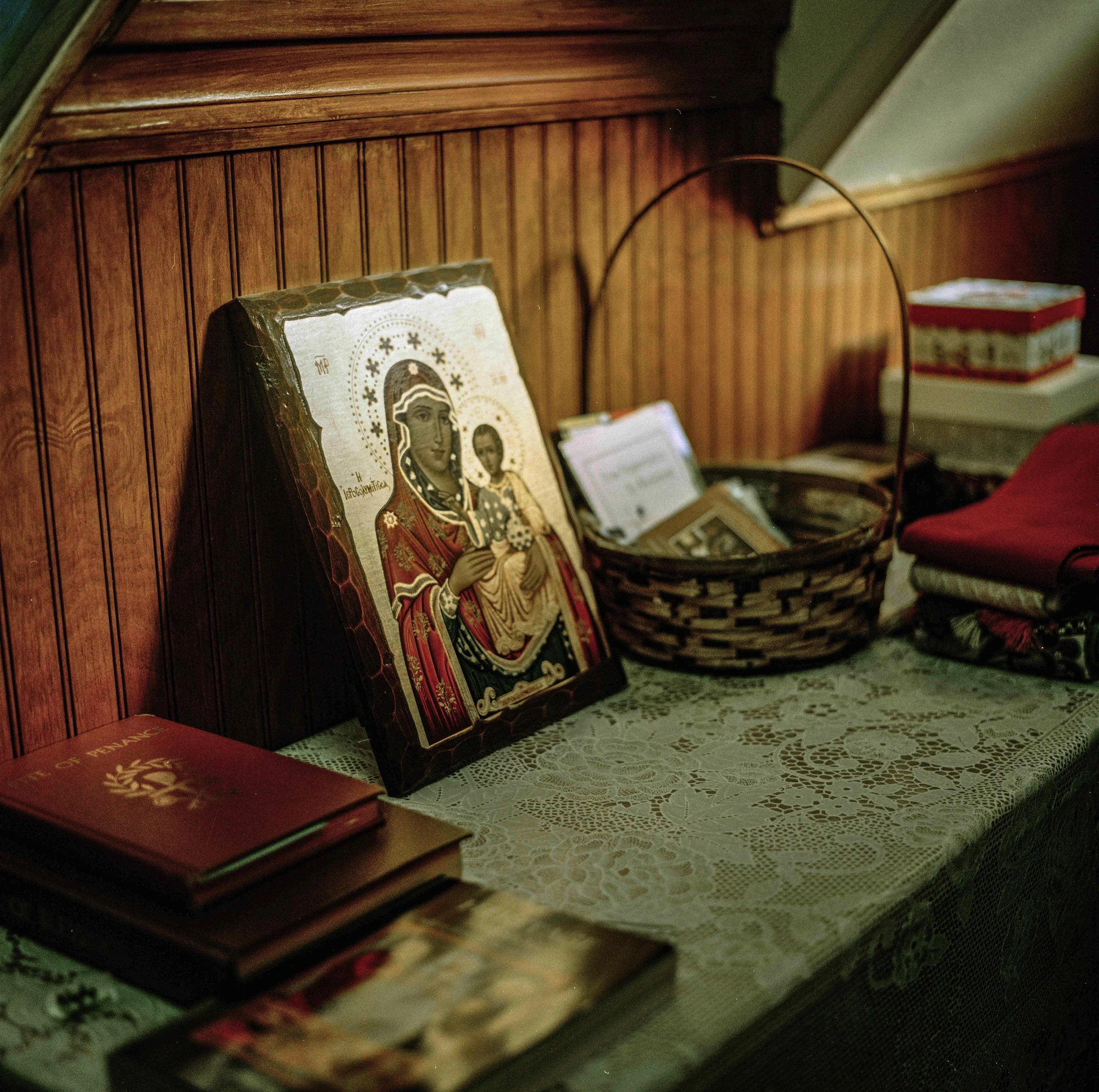
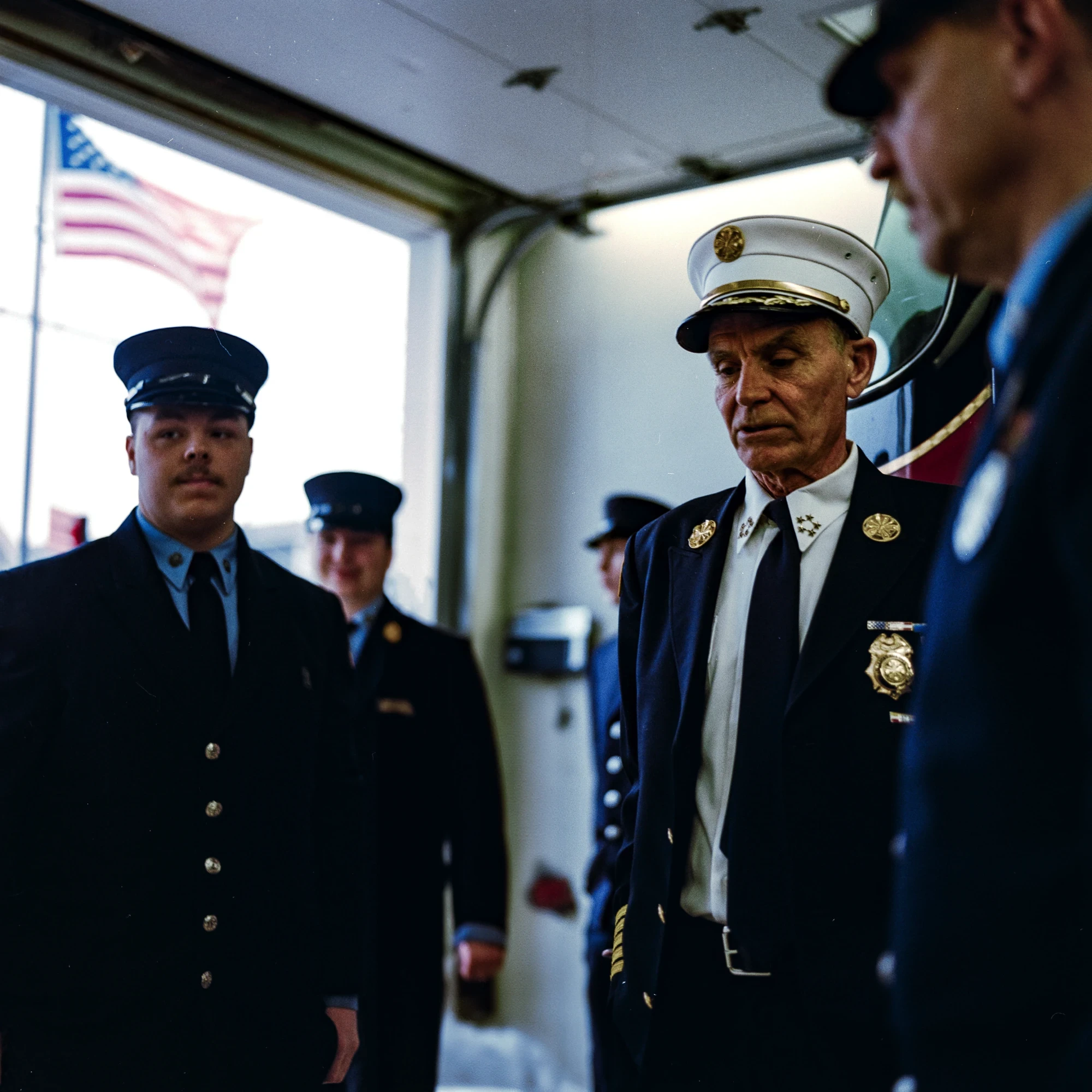
Paula Guardián has been building a long-term portrait of Broad Channel, New York.
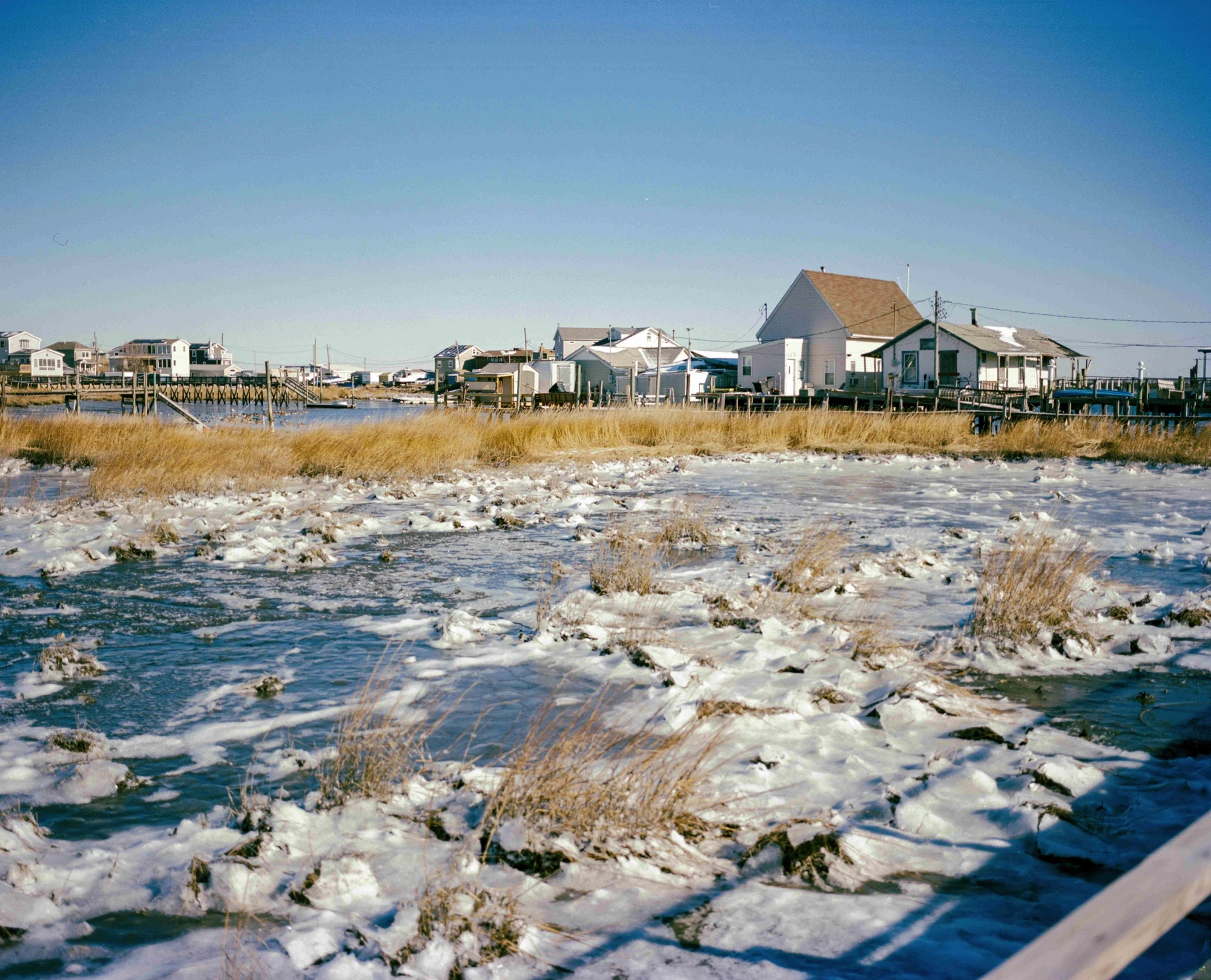
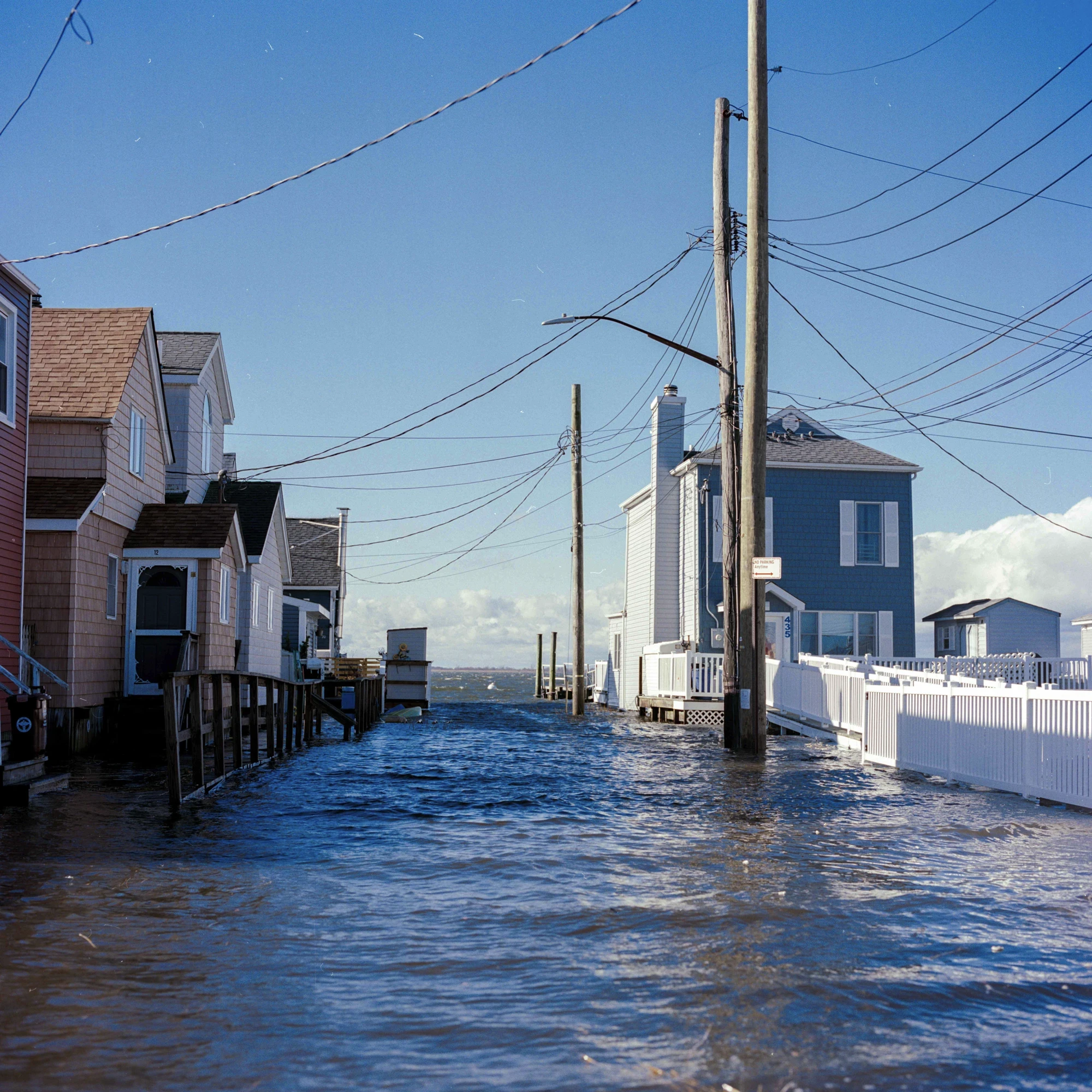
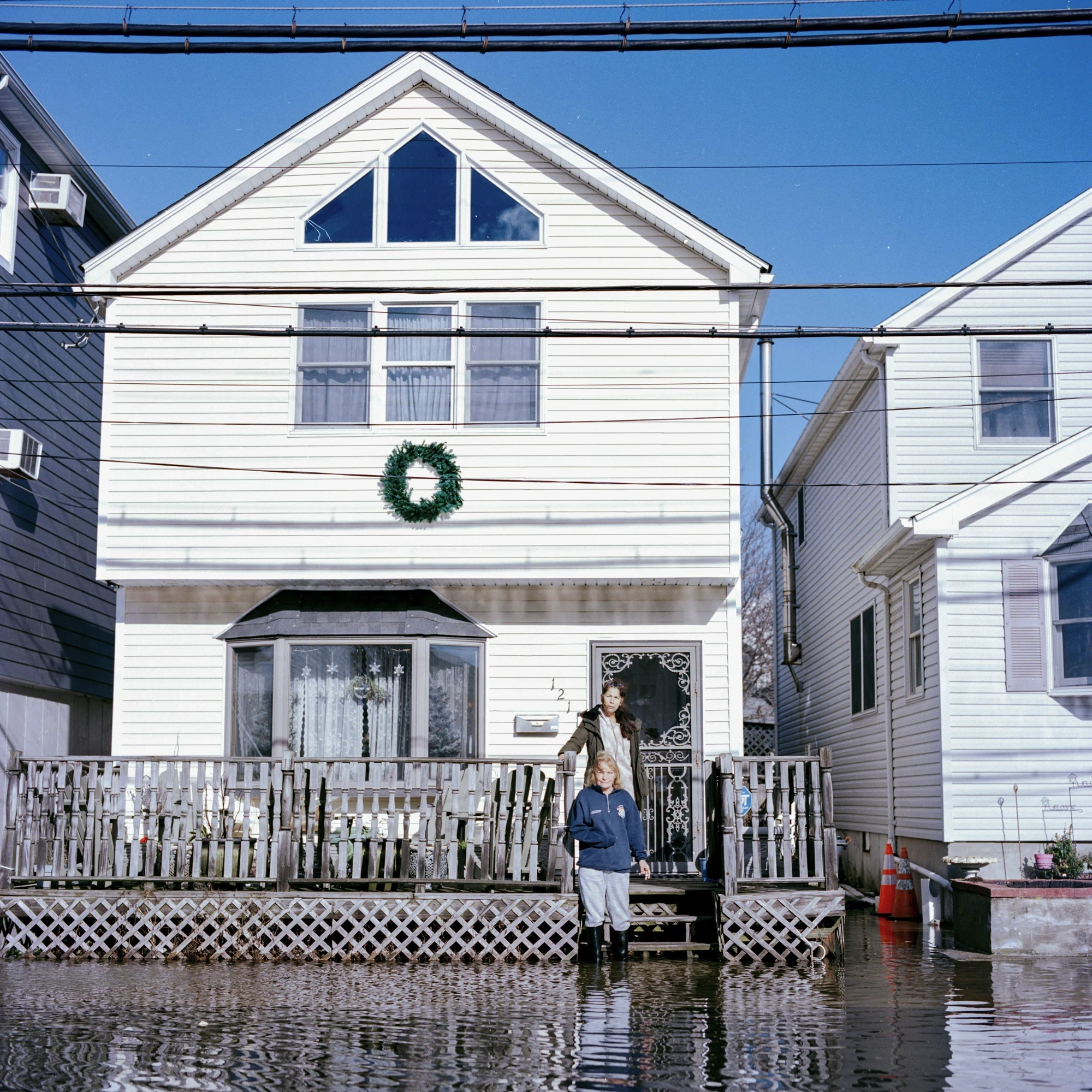
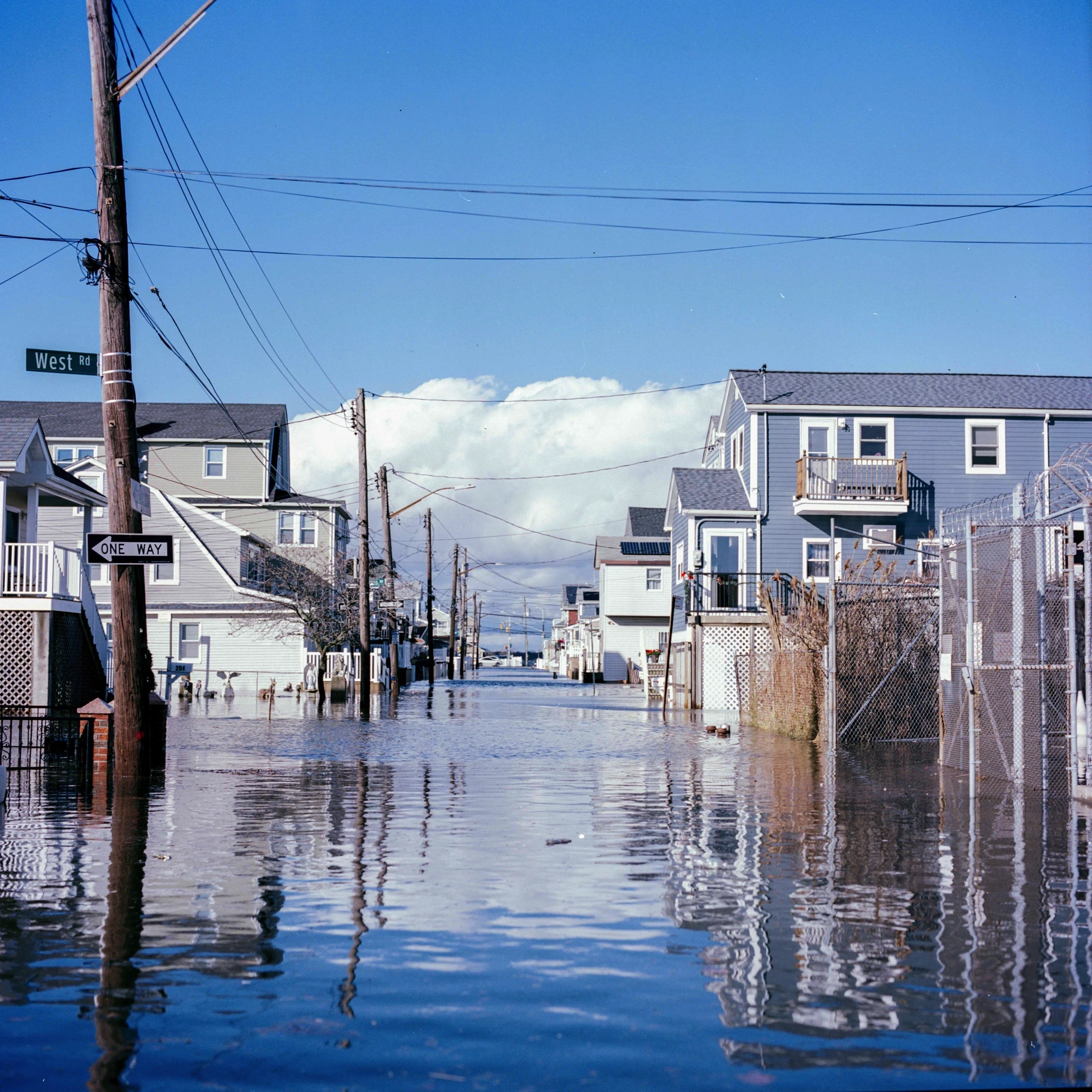
Just a few subway stops from Manhattan, Broad Channel feels like a place suspended between worlds. The land and water. Suspended in this delicate amphibious existence.
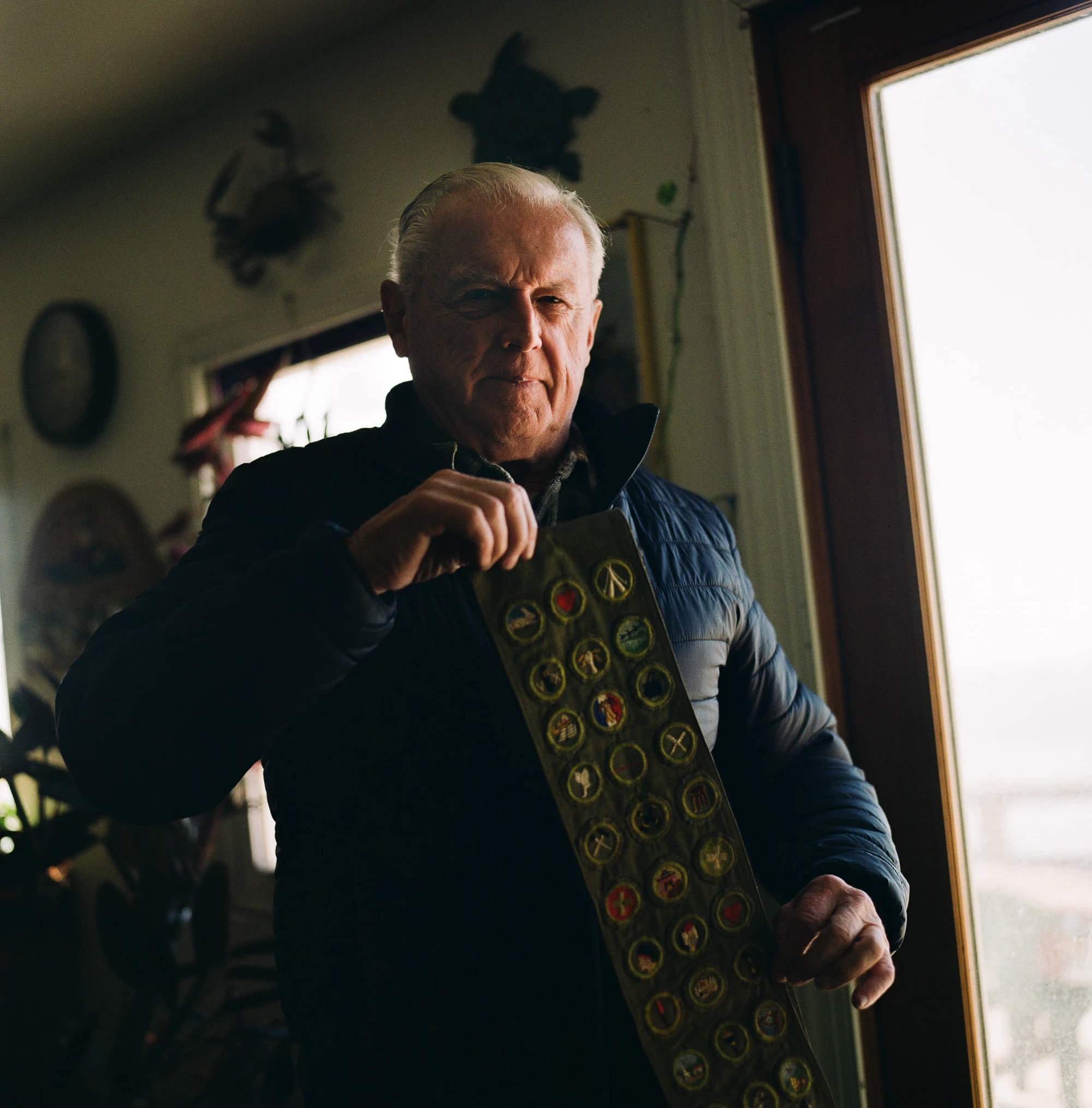
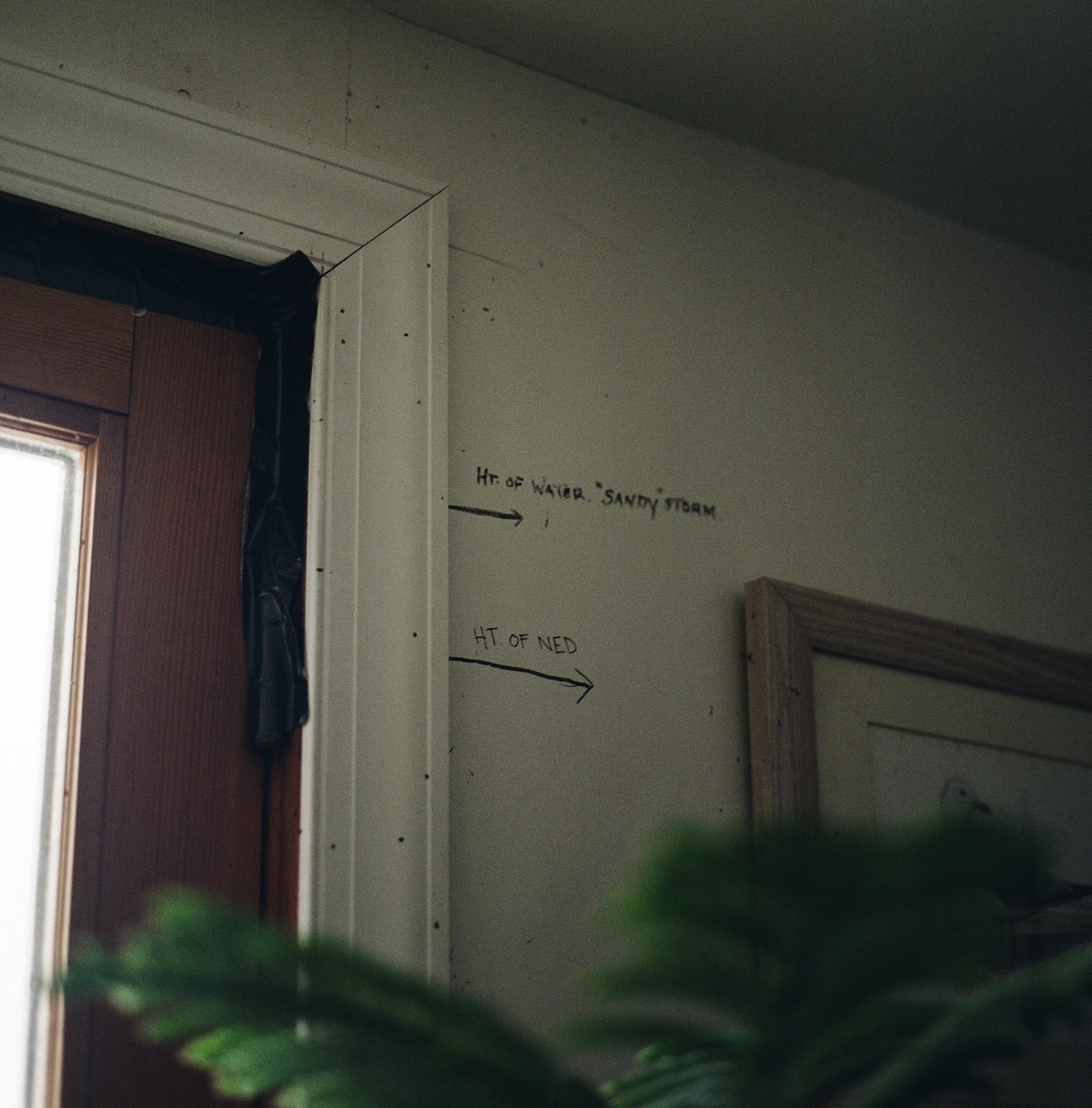
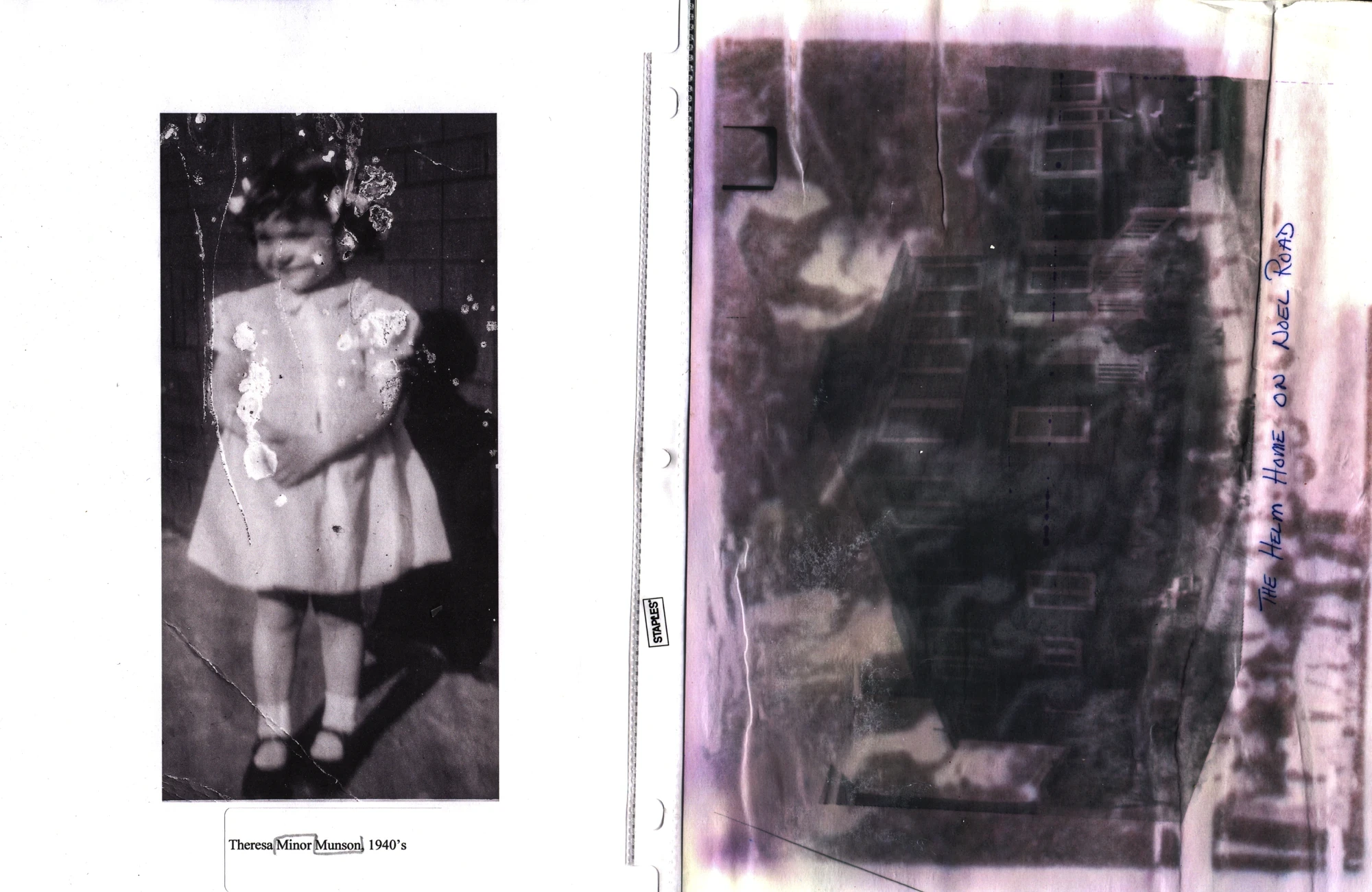
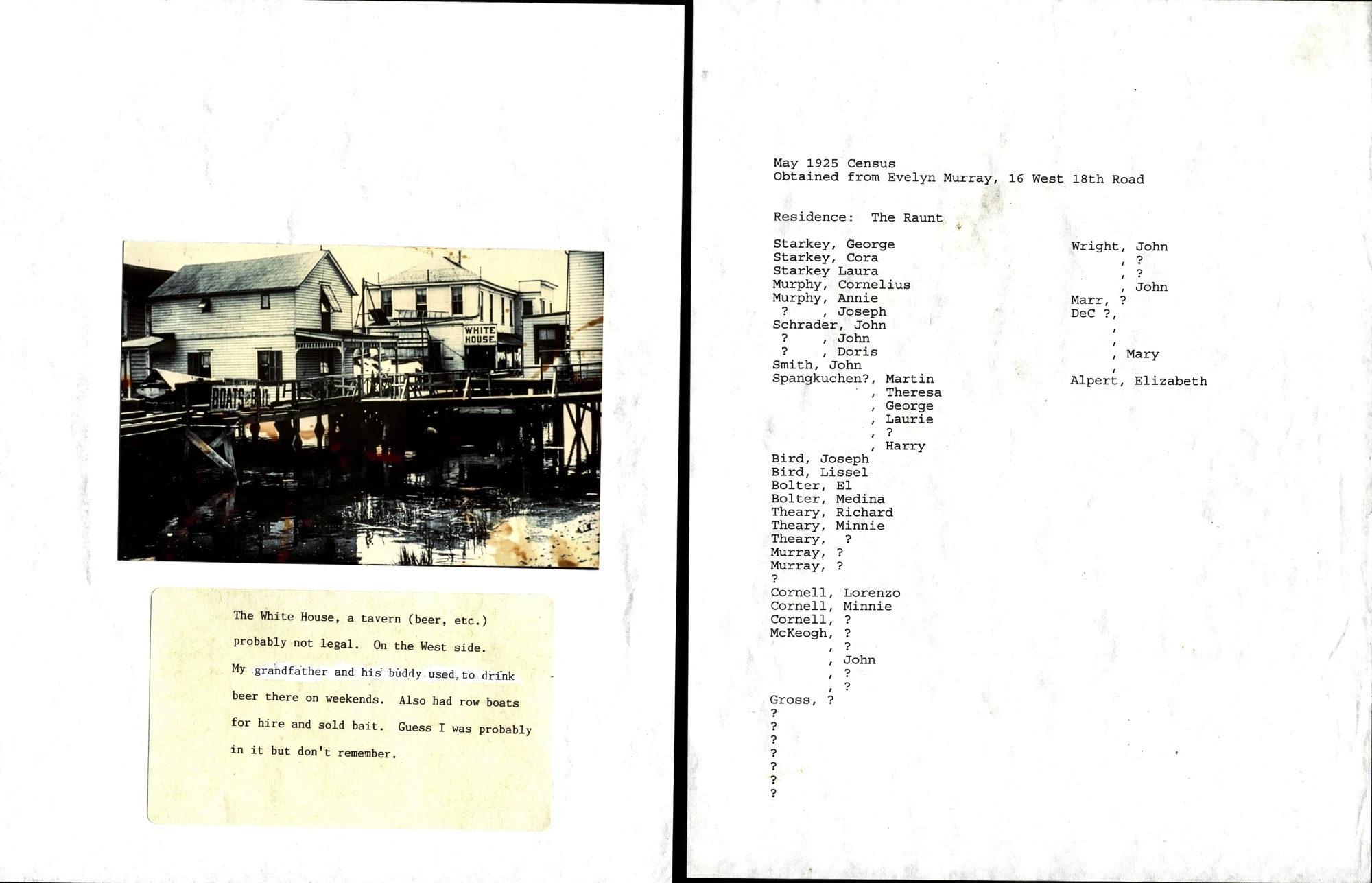
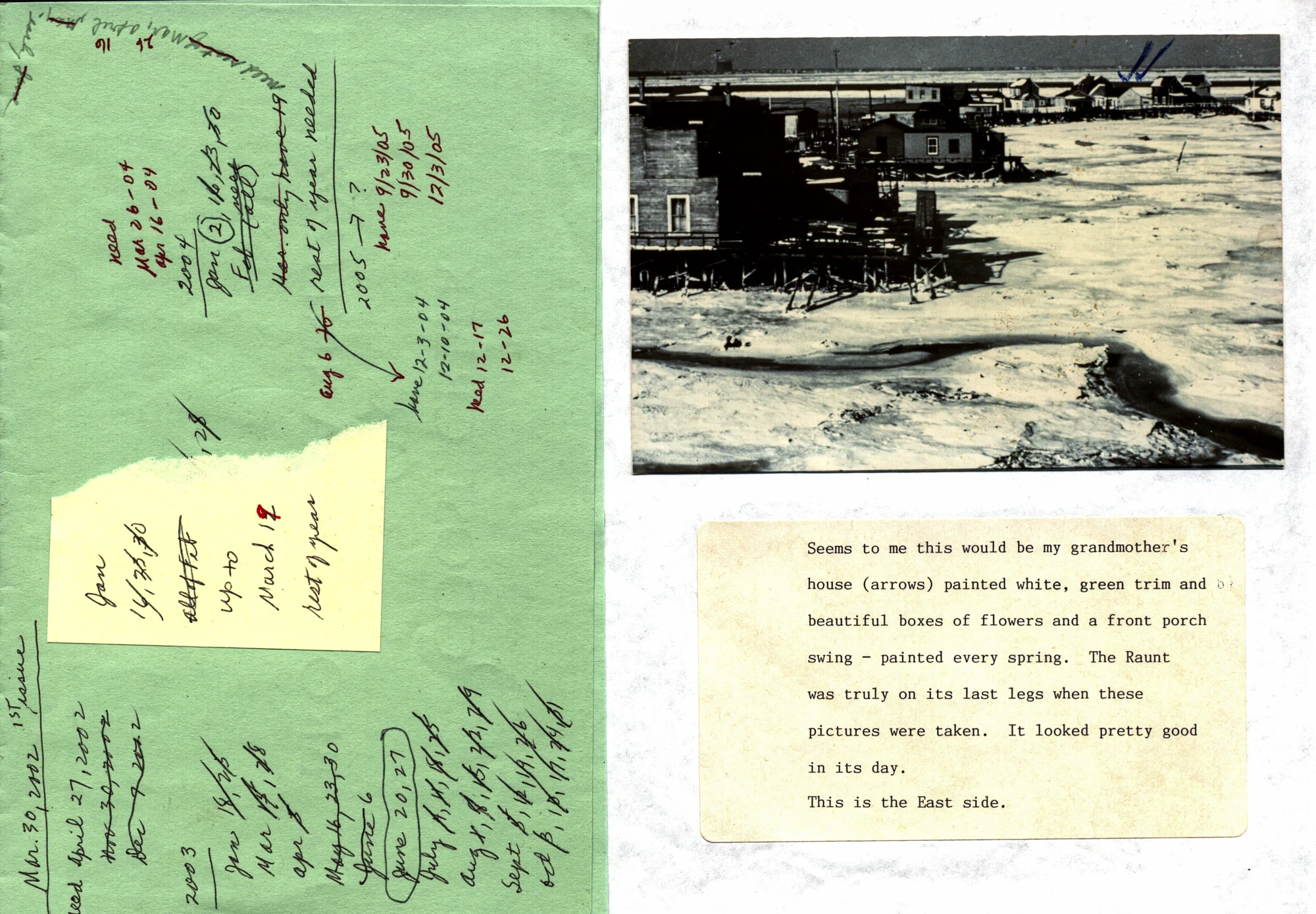
“My project seeks not only to document how residents coexist with the water,” Guardián says, “but also to build a living archive of a vanishing way of life—an archive of houses, docks, flood lines, objects, and gestures that soon will be gone.”
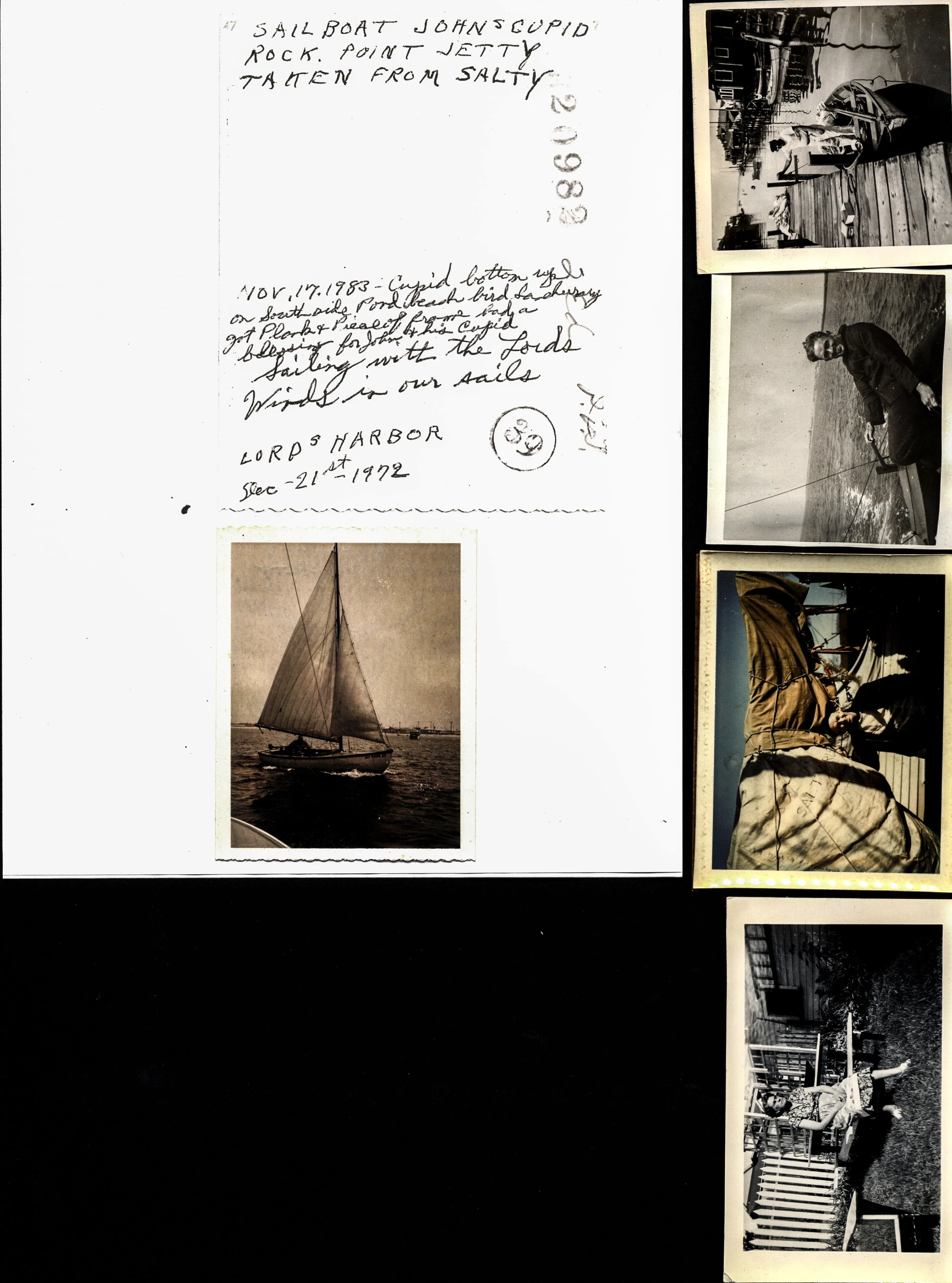
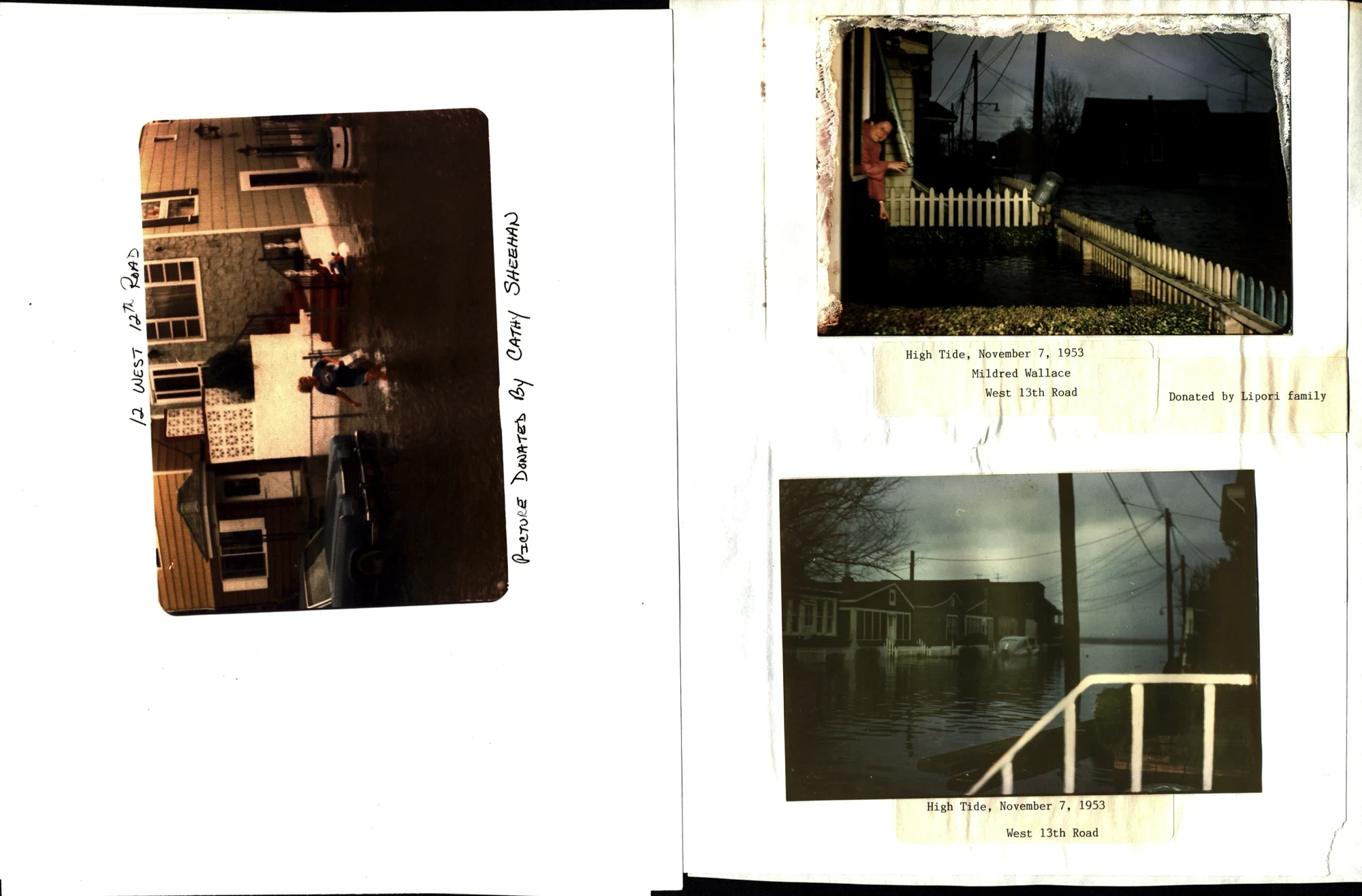
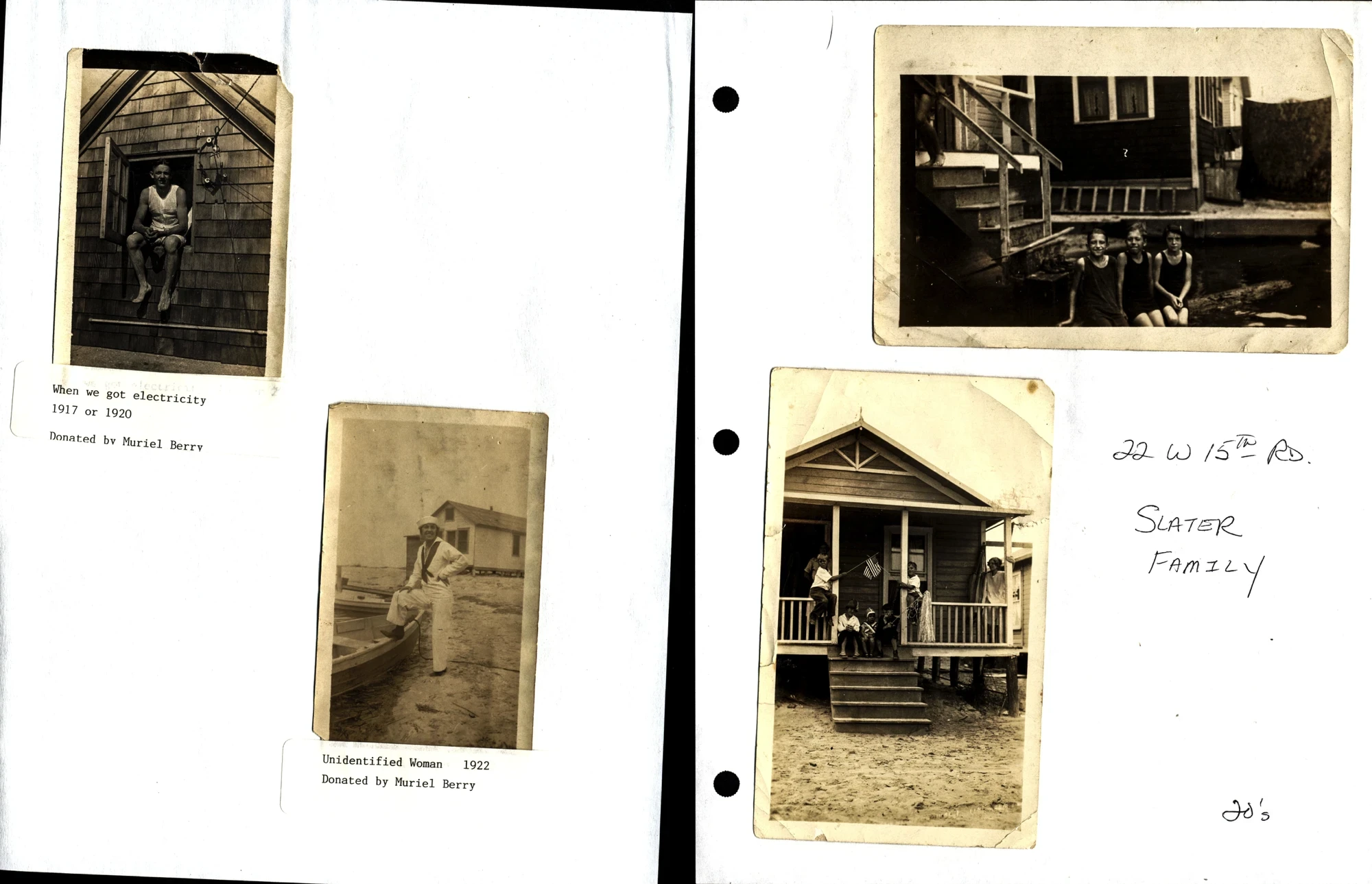
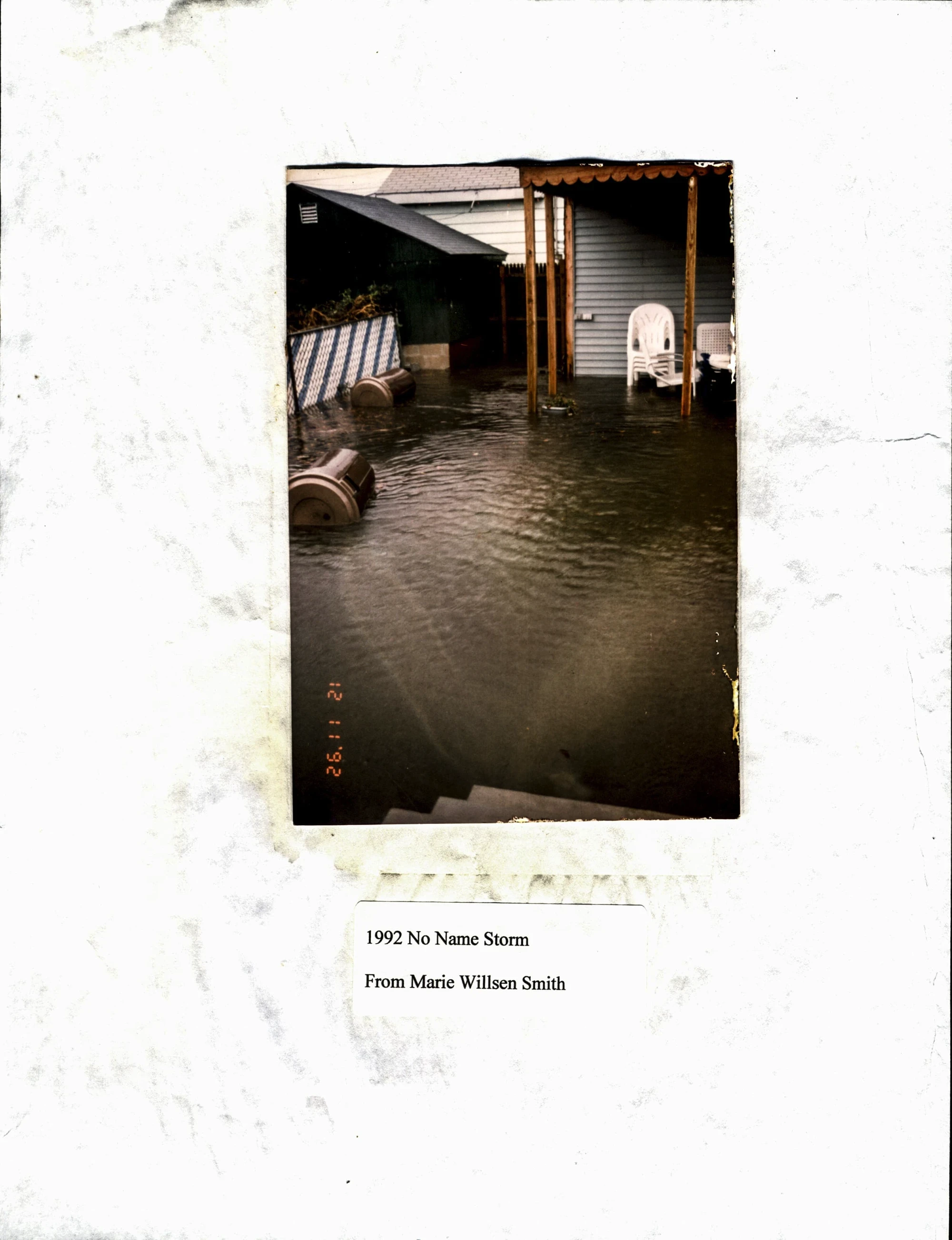
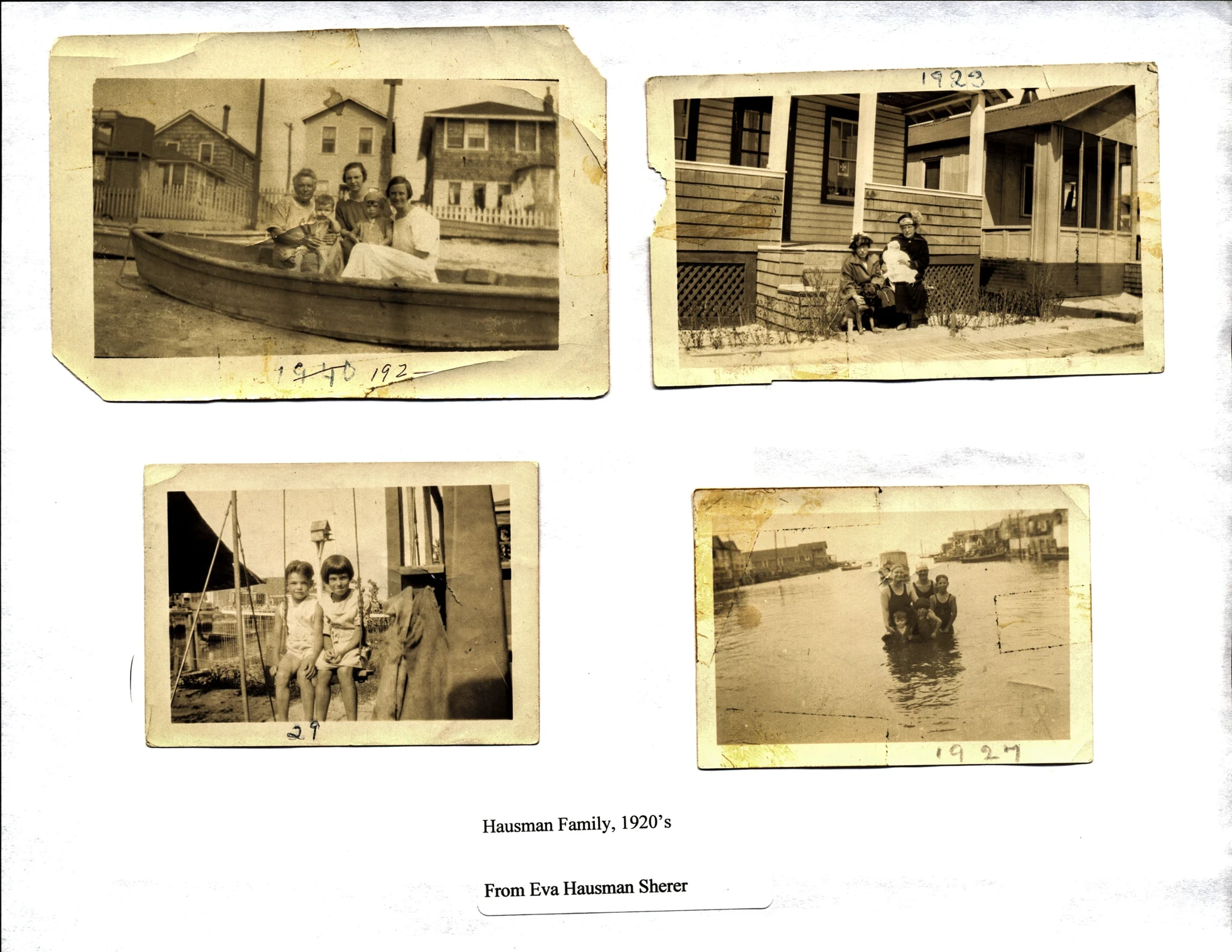
“Looking at historical photographs,” she says, “it becomes clear that flooding has always been part of Broad Channel" Here, the tides shape life; they have always been close, so close, not shy at all.
“When I arrived, I thought, this doesn’t look like it belongs to New York at all,” she recalls. “As soon as you get off the train, you see boats on the streets like they’re cars.” Mailboxes shaped like fish and lighthouses, garages full of fishing rods, houses raised above the ground, and marshland stretching at the edge of the city. “I fell in love the first day I went there,” she says.
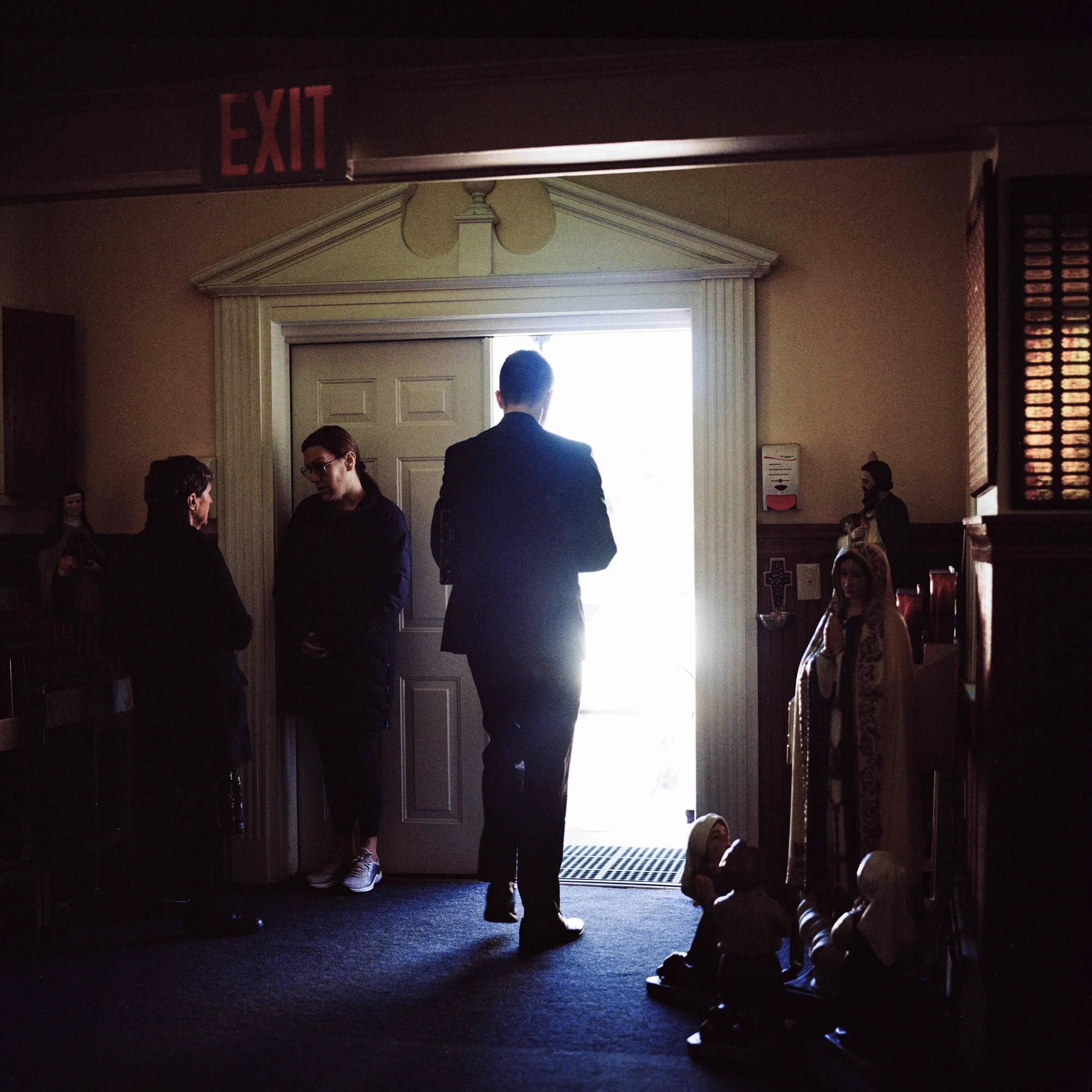
I am struck by how the project began with a search for something familiar: water. She mentions growing up near the sea; water had always been a place of orientation, “coming to terms with life,” for her. I feel her words as we—those who leave—sometimes arrive “home” without returning. Sundays spent talking with neighbors and priests, stories unfolding everywhere, photographs soaked in water, and names piling up. The island reveals itself before her eyes.
Broad Channel is small, but its waters run long, evoking a deep sense of continuity and wonder: Where does it lead? Many residents' roots stretch way back like the water, five generations or more.
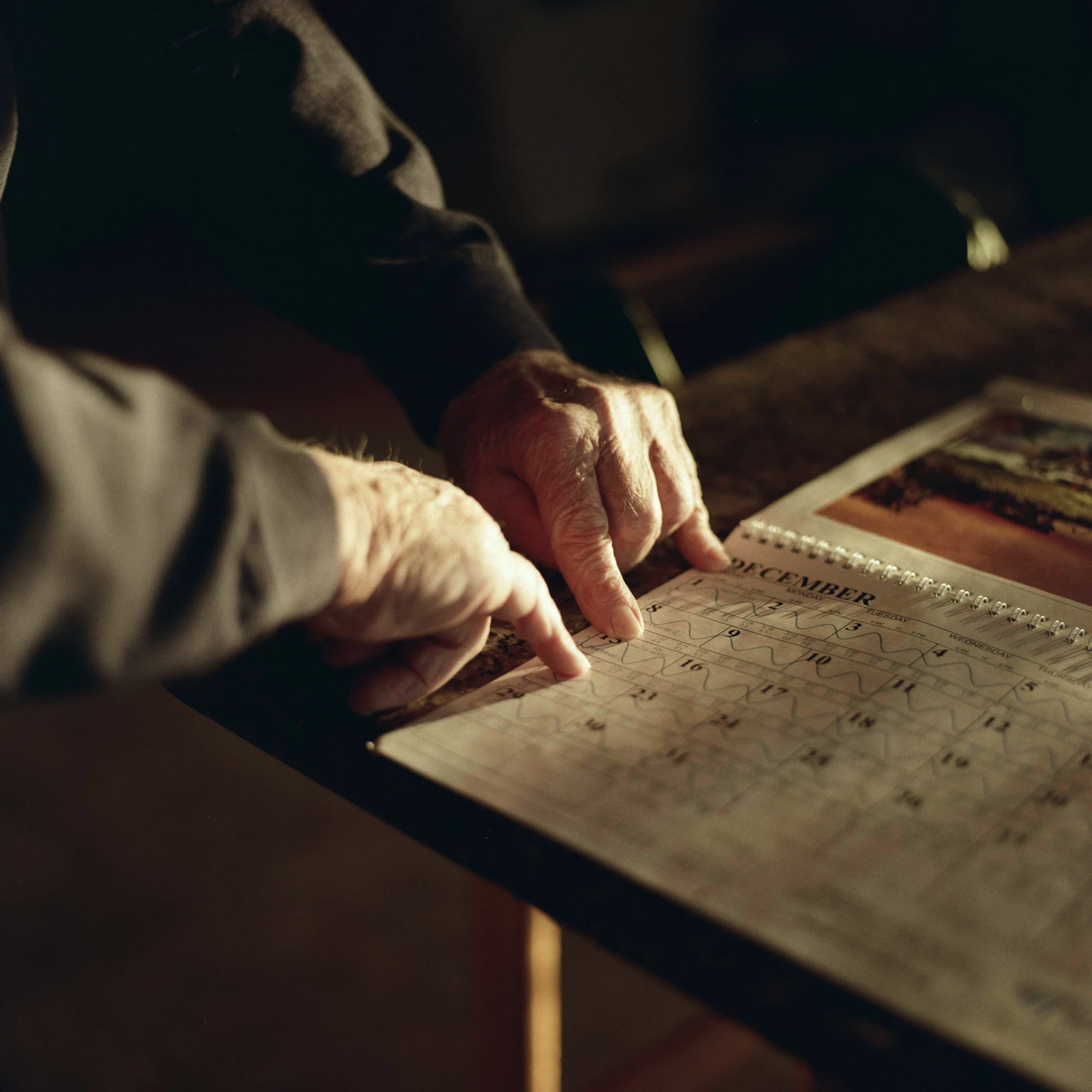
Children grow up learning the rhythms of the bay as naturally as they learn the layout of the streets. The tide charts on kitchen walls, the memory, and perhaps fear of freezing winter waters dipping and rising. Here, life, like water, is meltable and replaceable. It freezes, but soon enough, mysteriously and miraculously, it comes back.
In the mystery and the energy of her love for this place, I am intrigued. It makes me remember how far-reaching and wonderful water is, and also destructive and unchangeable. You wake in the morning; it’s there, more than half of the world. You sleep at night, and it’s still there—stirring the tides beyond our sight.
It pushes against our best effort to contain it, penetrating through our permission, finding a way to touch our feet. The water is unmistakably unique in the sense that it gives: going toward the source, going home.
And perhaps this is what Guardián’s photographs understand so well. That water, and with it life, will persist, as she says. It’s hard not to be stunned by the consistent exchange of worlds and memories here, by the way the community has found its way up after every shore-breaking, life-crashing storm, like a newborn deer gently, stubbornly finding its feet.