PHOTOGRAPHY
by
Olgaç Bozalp
Migration is An Earthright
Written by
Yasemin Özer
“The root is unique, a stock taking all upon itself and killing all around it. In opposition to this, I propose the idea of Relation. Identity is no longer completely within the root, but also in Relation. A poetics of Relation allows us to conceive of identity as extended, as the outcome of a process of creolization, not as a fixed essence but as something that is always in the making.”
Édouard Glissant,
Poetics of Relation (1990)
Can’t Tell The Birds From The Blossom
Every year, billions of animals roam the continents, flying, swimming, crawling, digging, and running to new shores to find safety, food, and mates. From the swamps to the rugged mountains, they give everything, every drop of their energy to it. Some return, some stay. Some are only completed or repeated by their offspring, like mayflies, like eels, like Atlantic Salmon. I have always wondered, how do they know when it’s time to leave? When is it time to let go? Does something magnetic stir their whole body? A push, a rush? Is it when the moon is over the rise? When the thistles fly high up in the clear blue sky? When you can’t tell the birds from the blossom?
Earth Was Made Moving
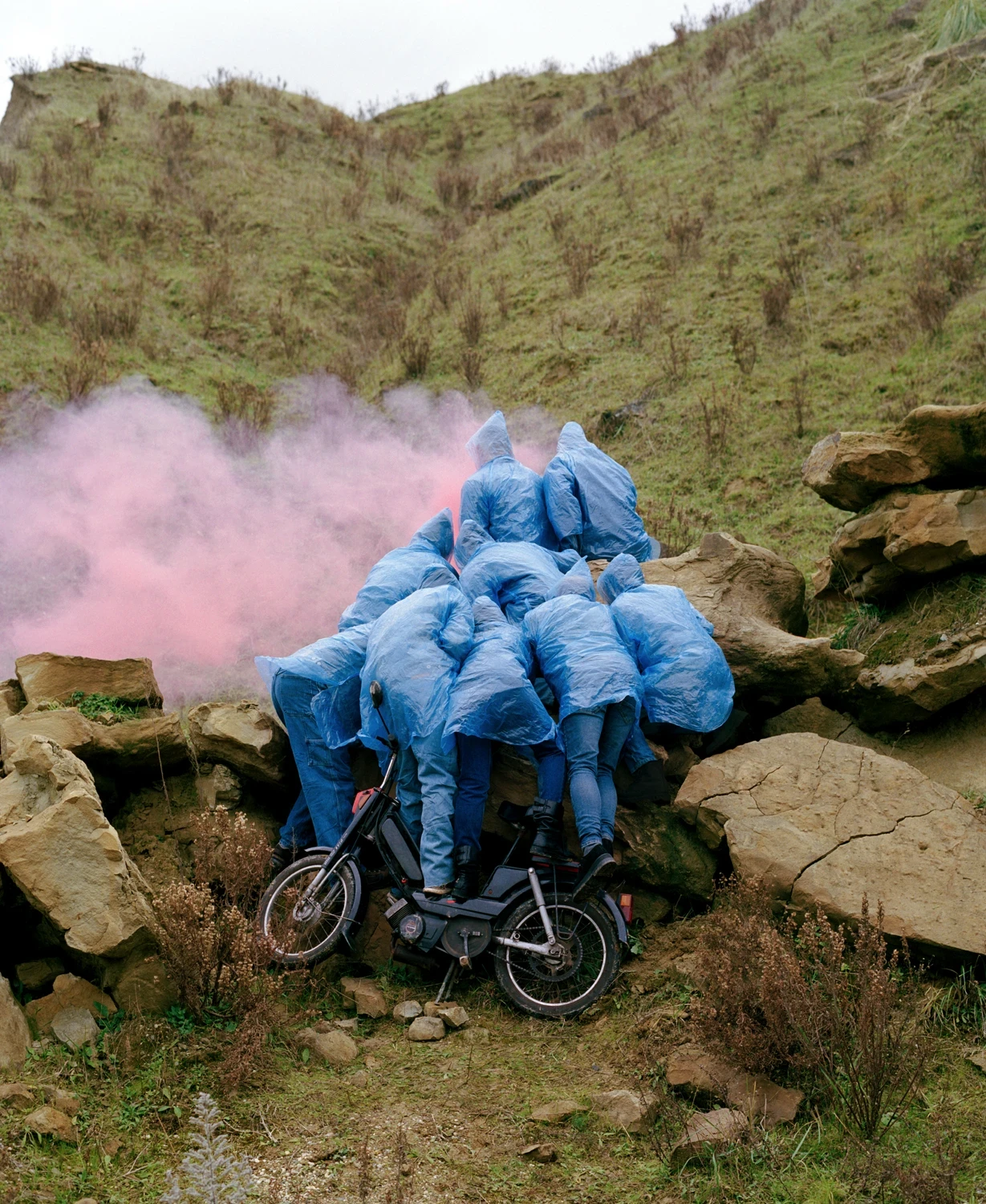
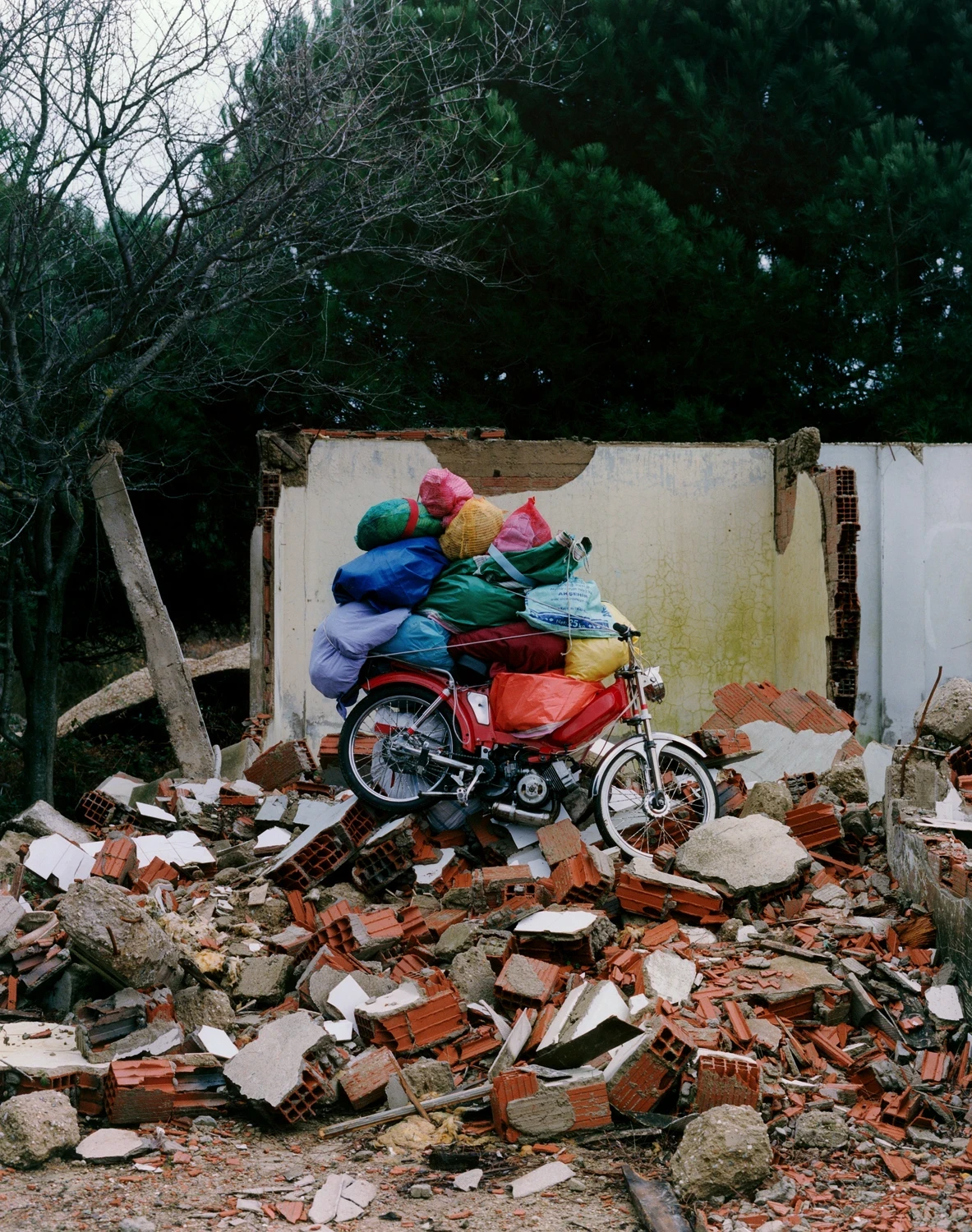
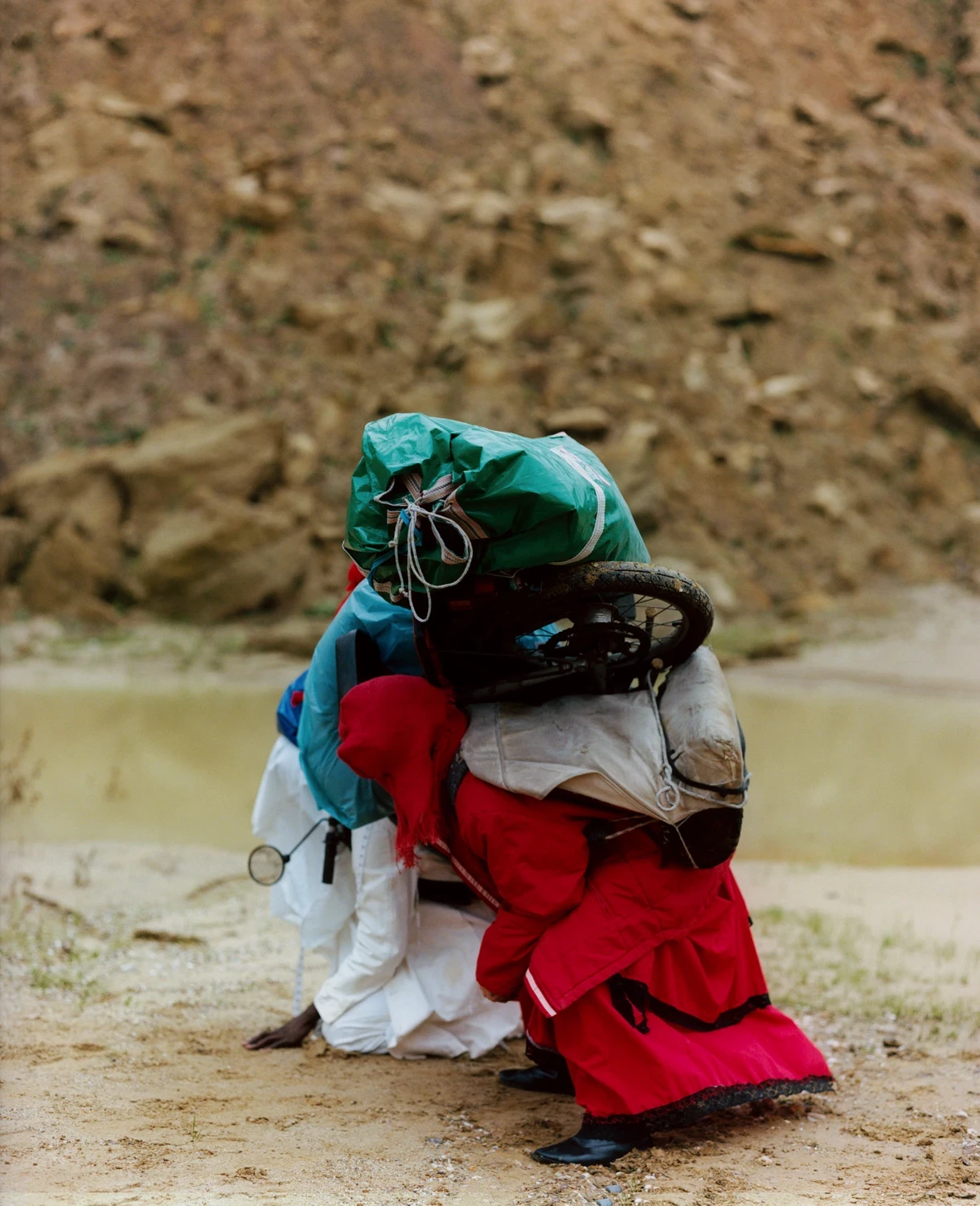
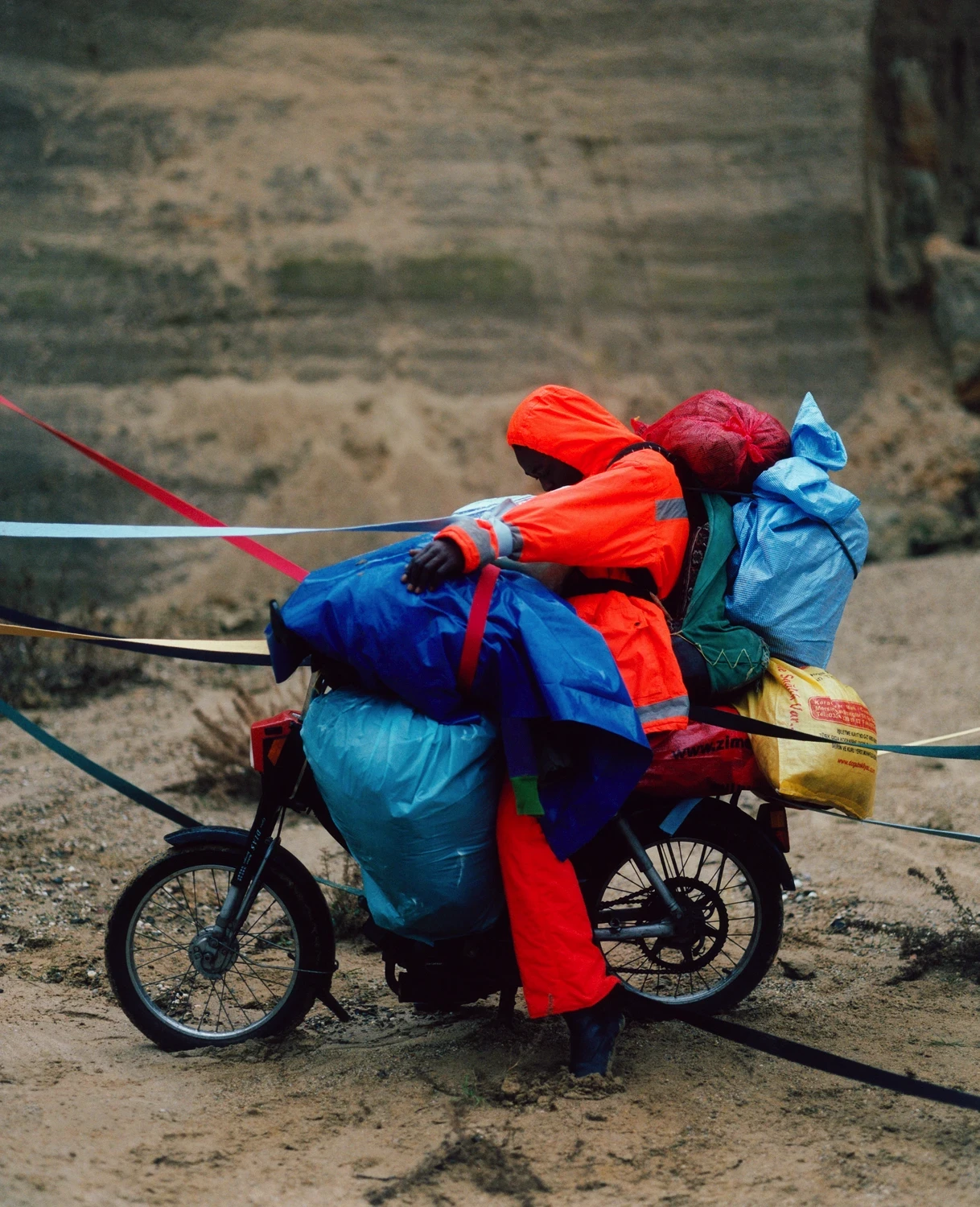
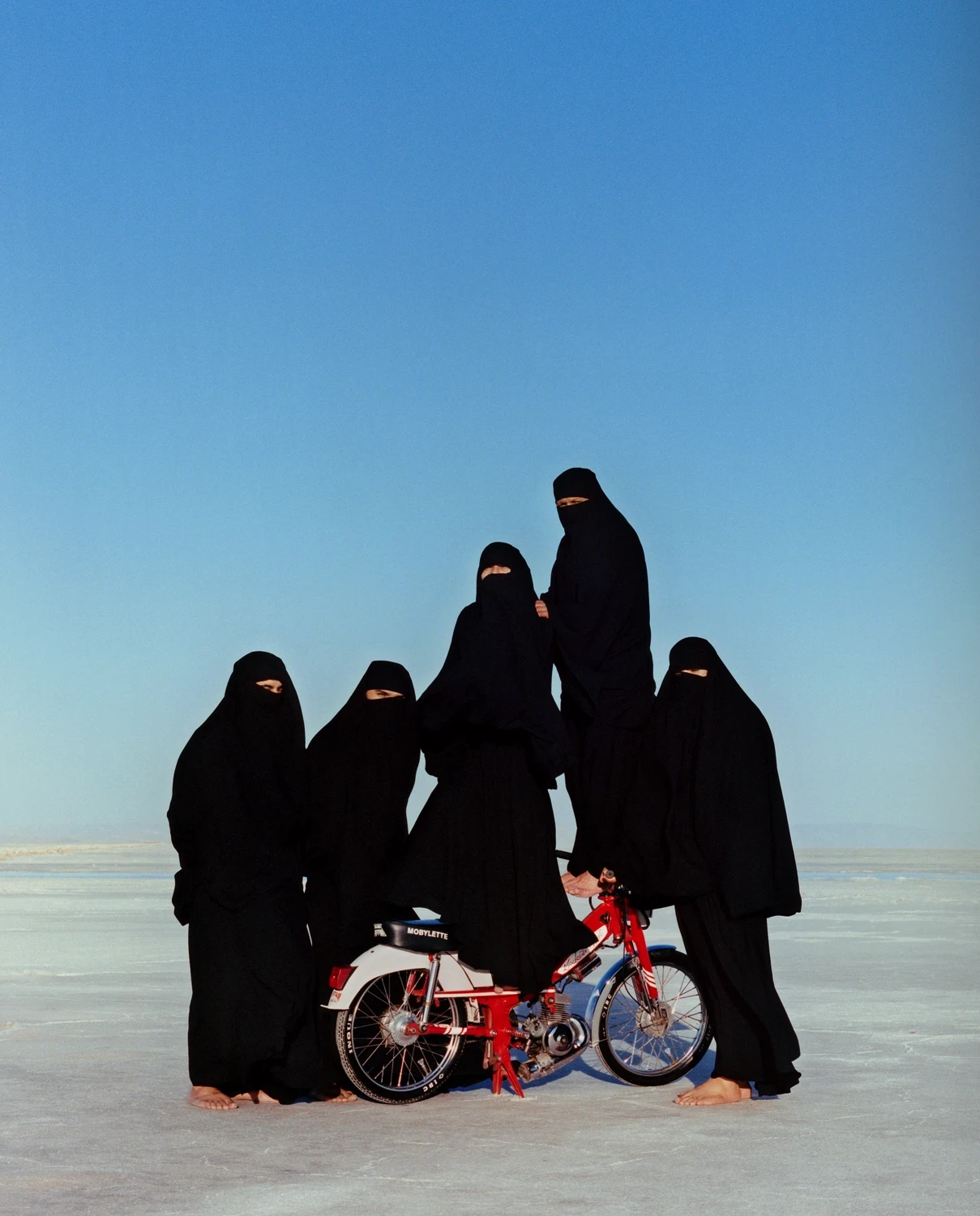
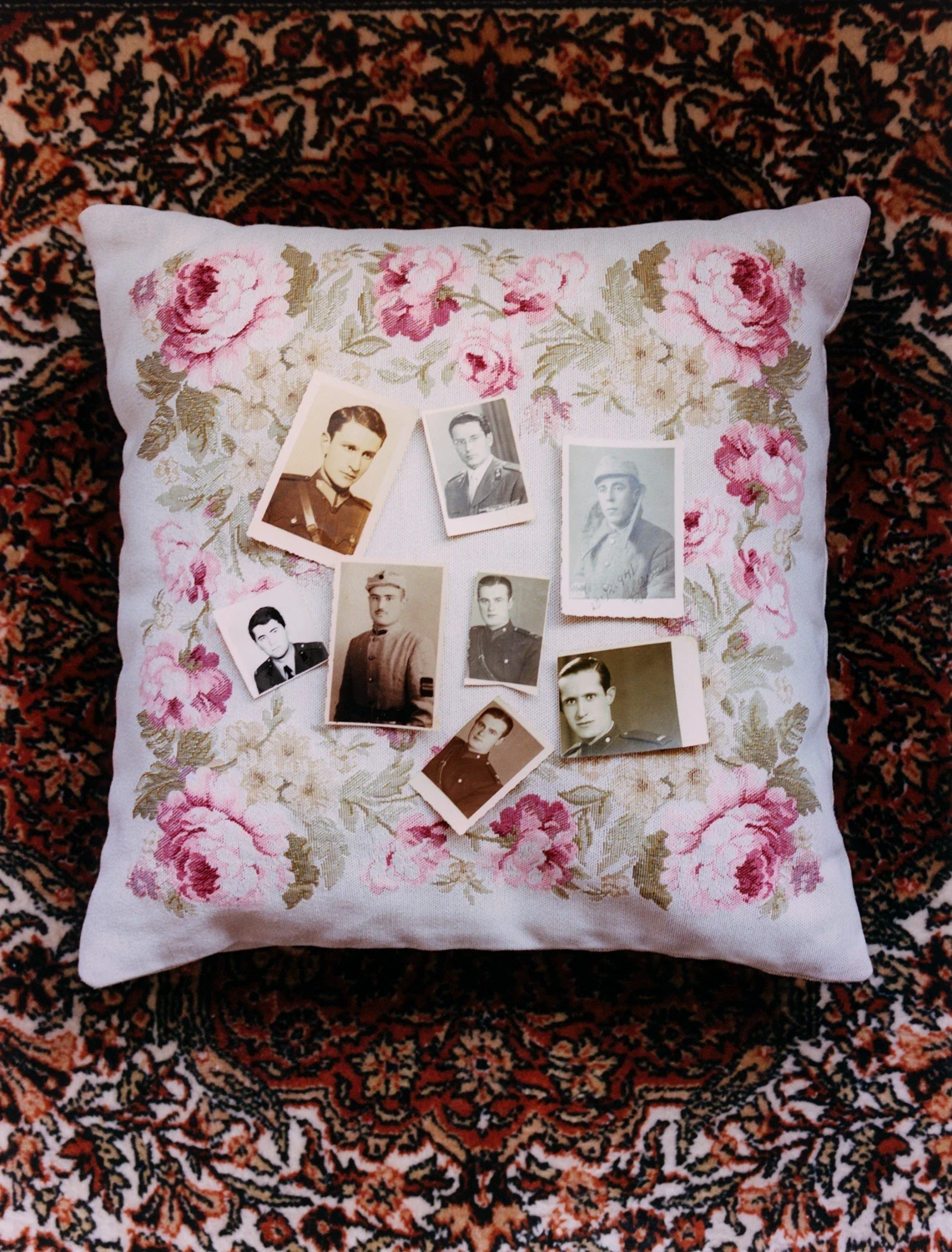
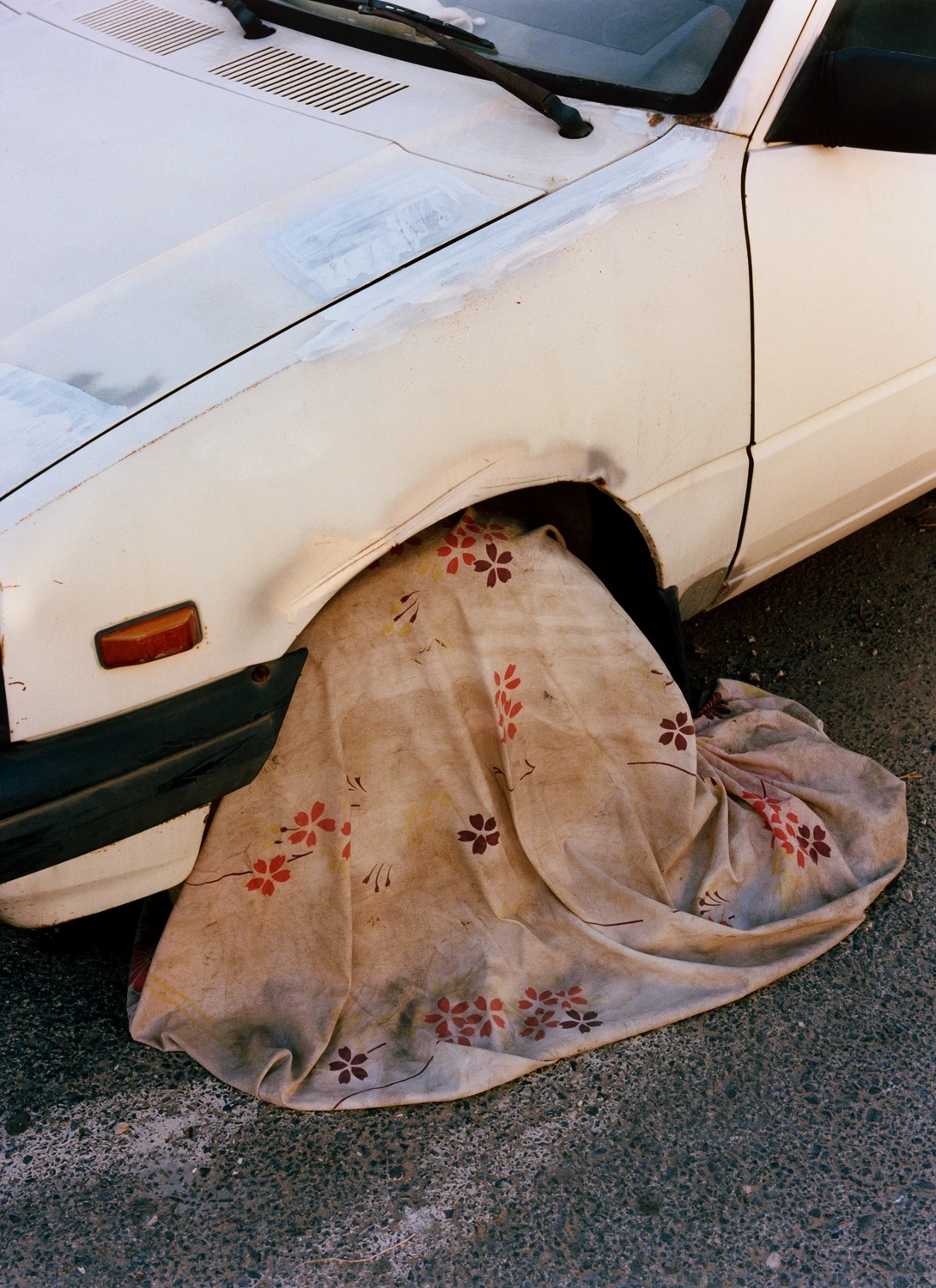
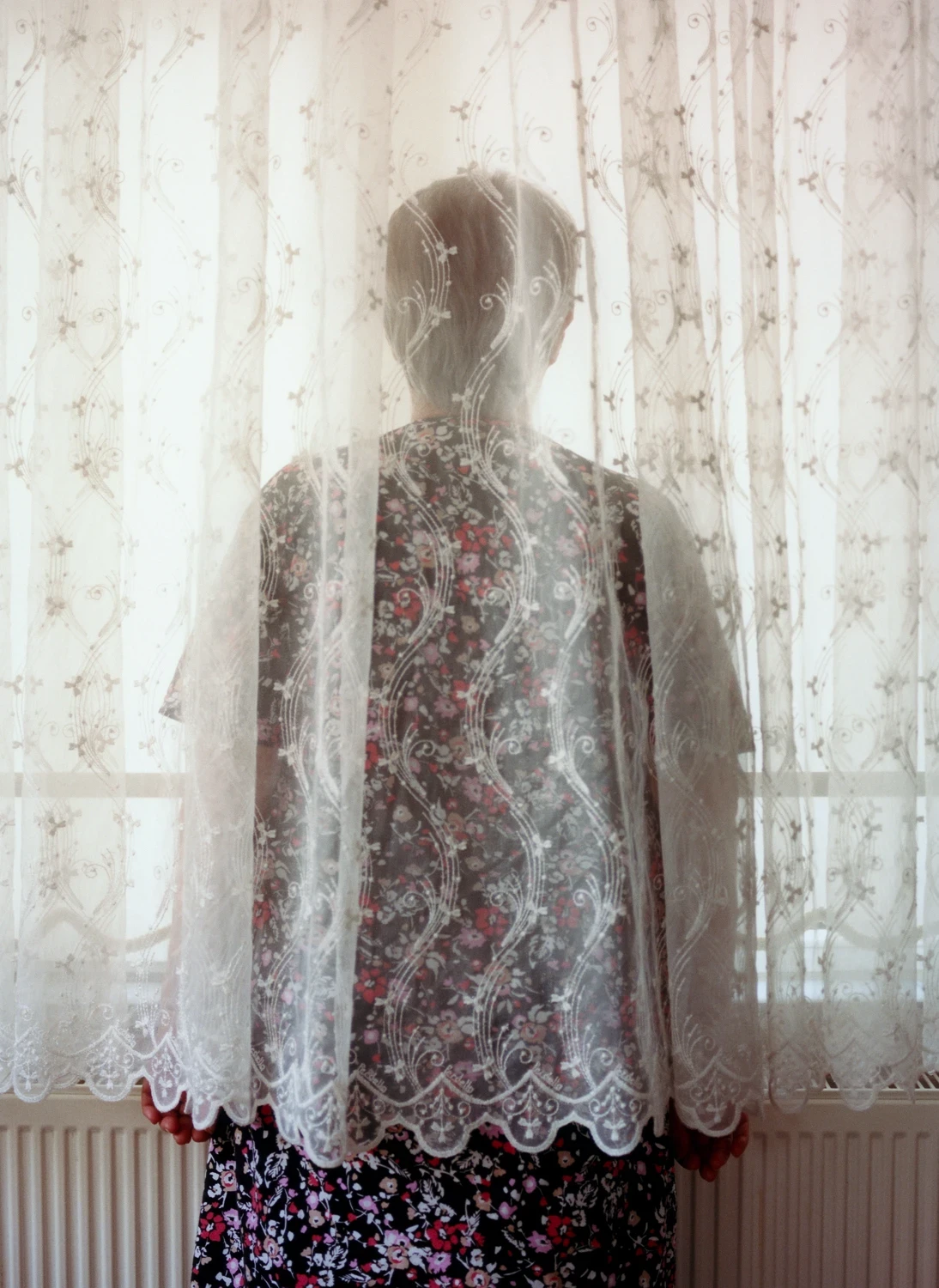
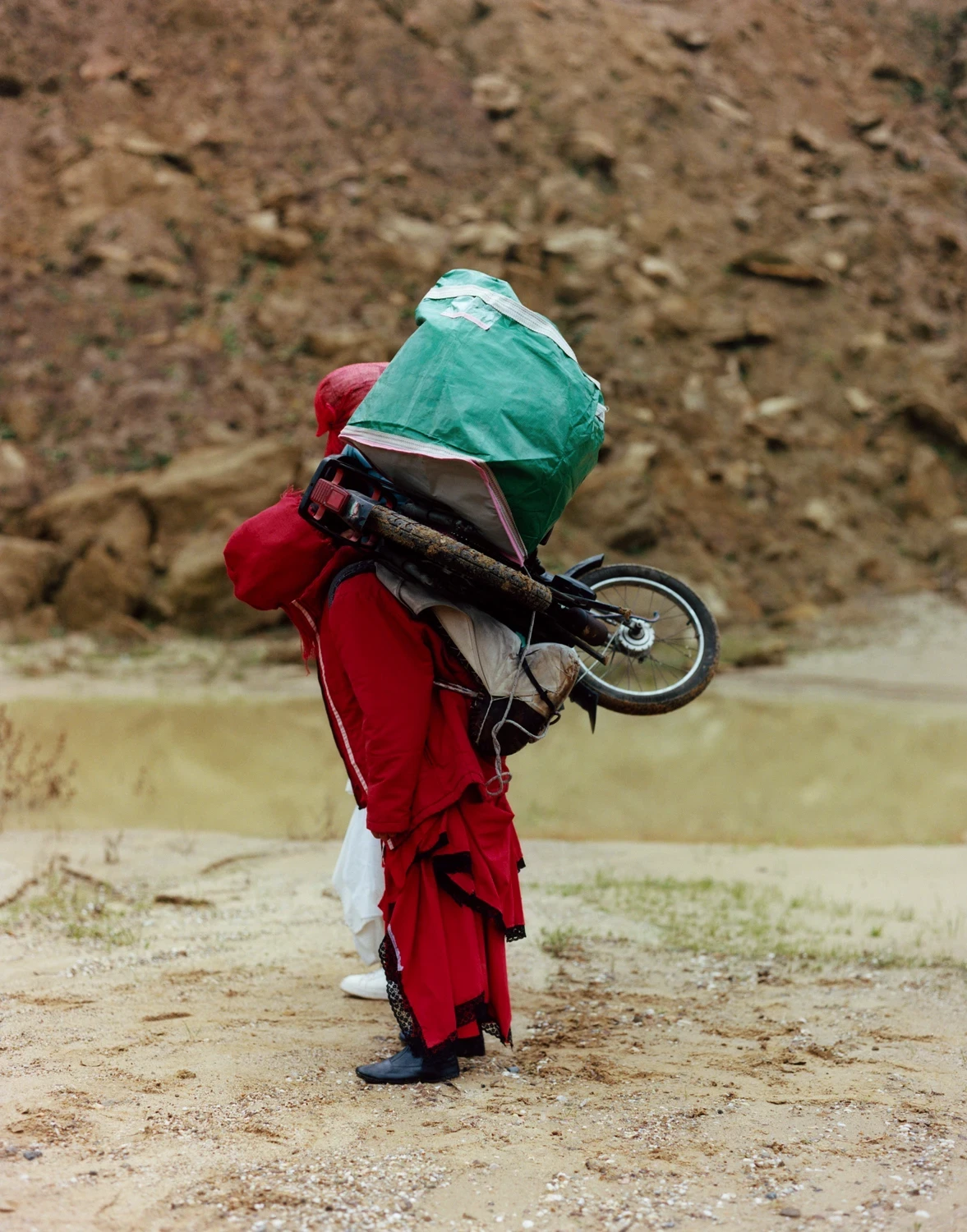
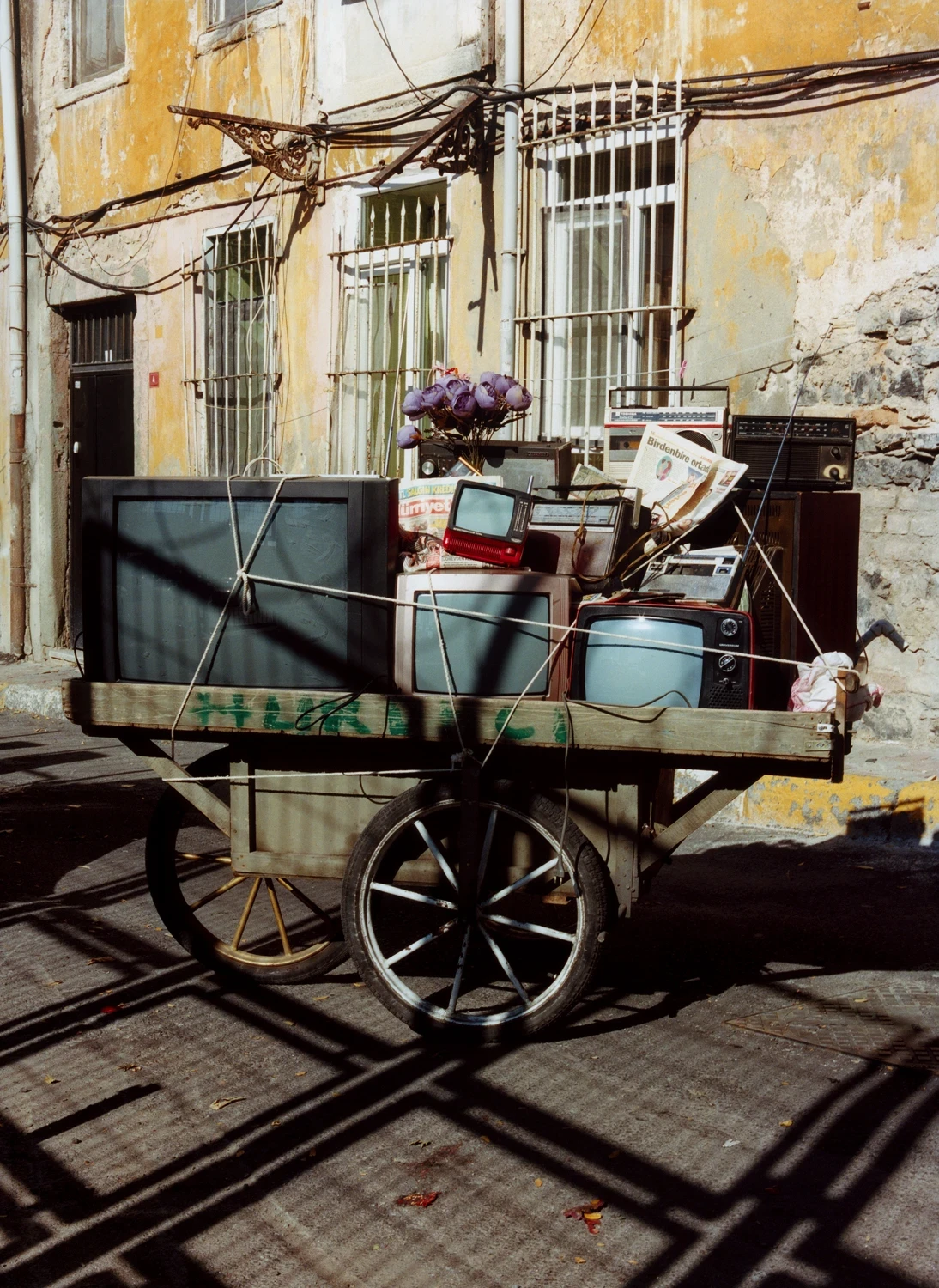
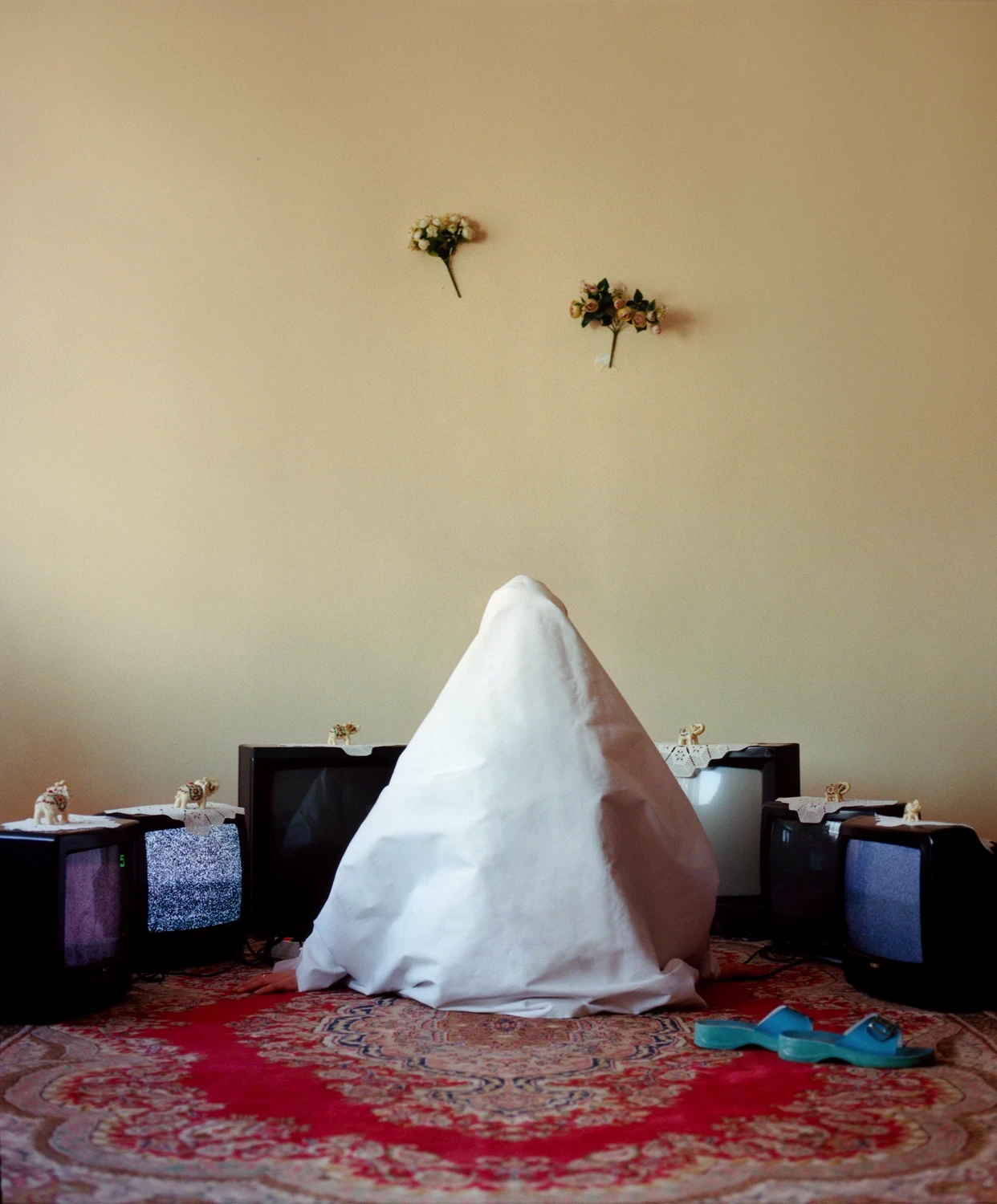
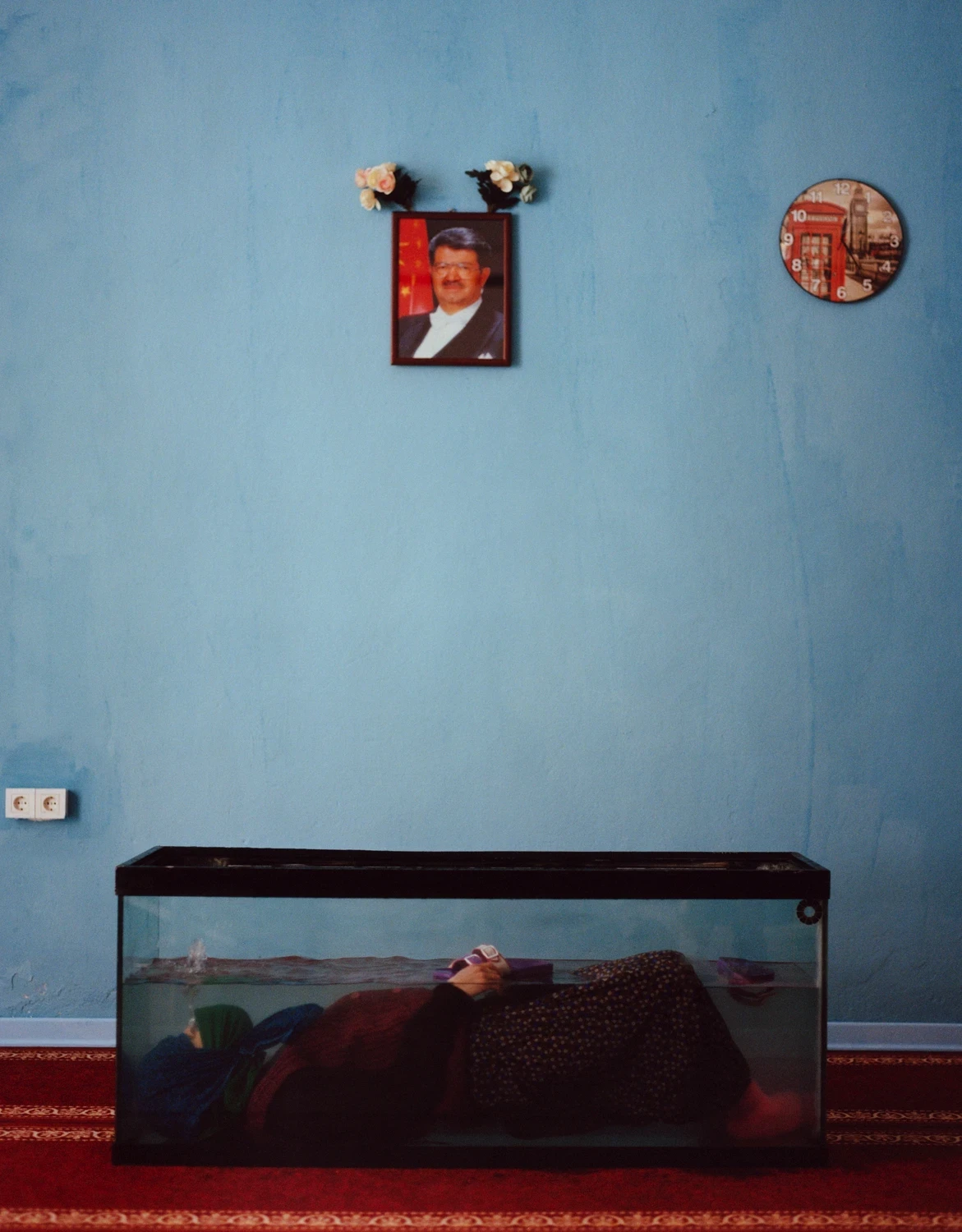
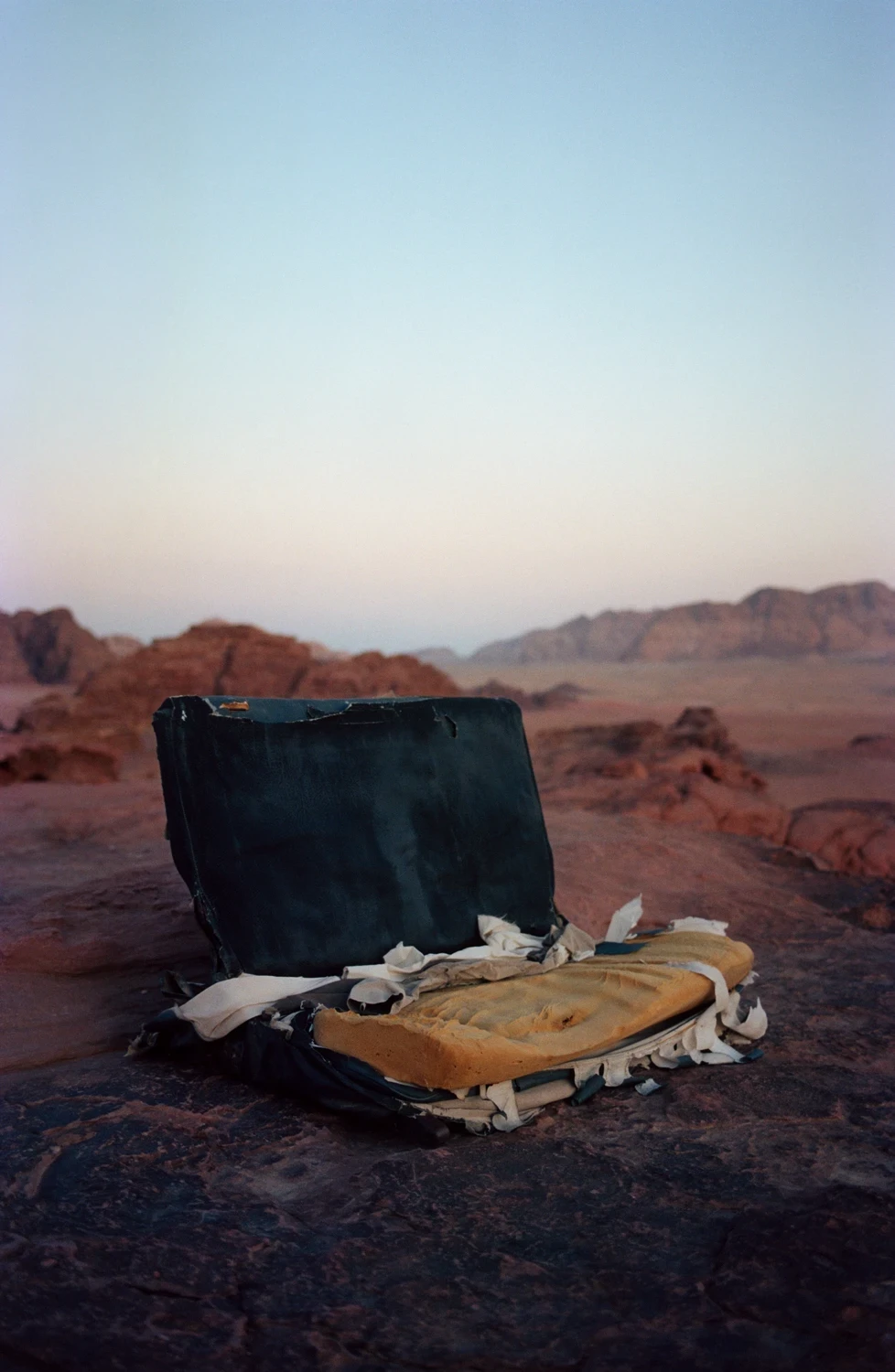
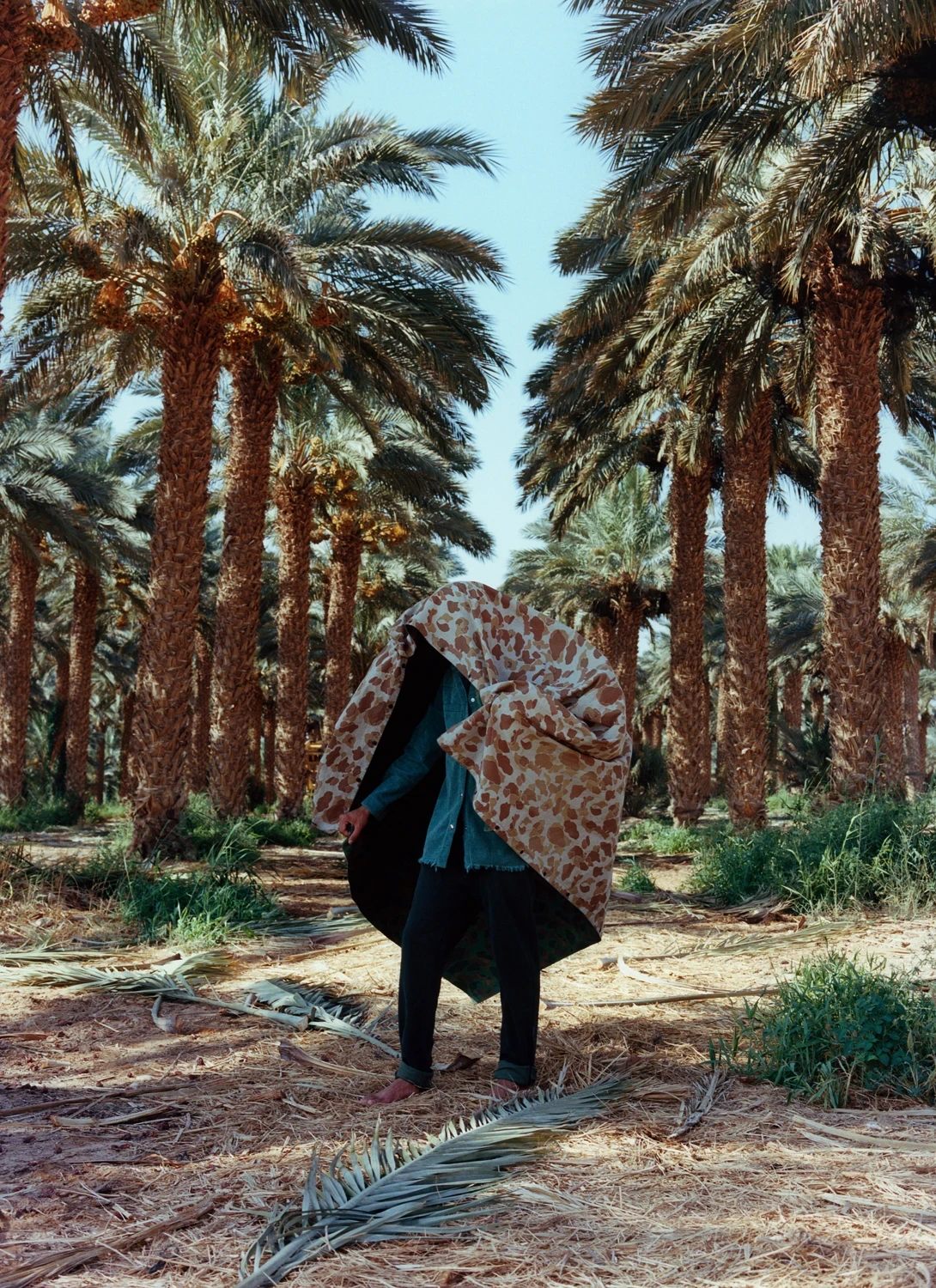
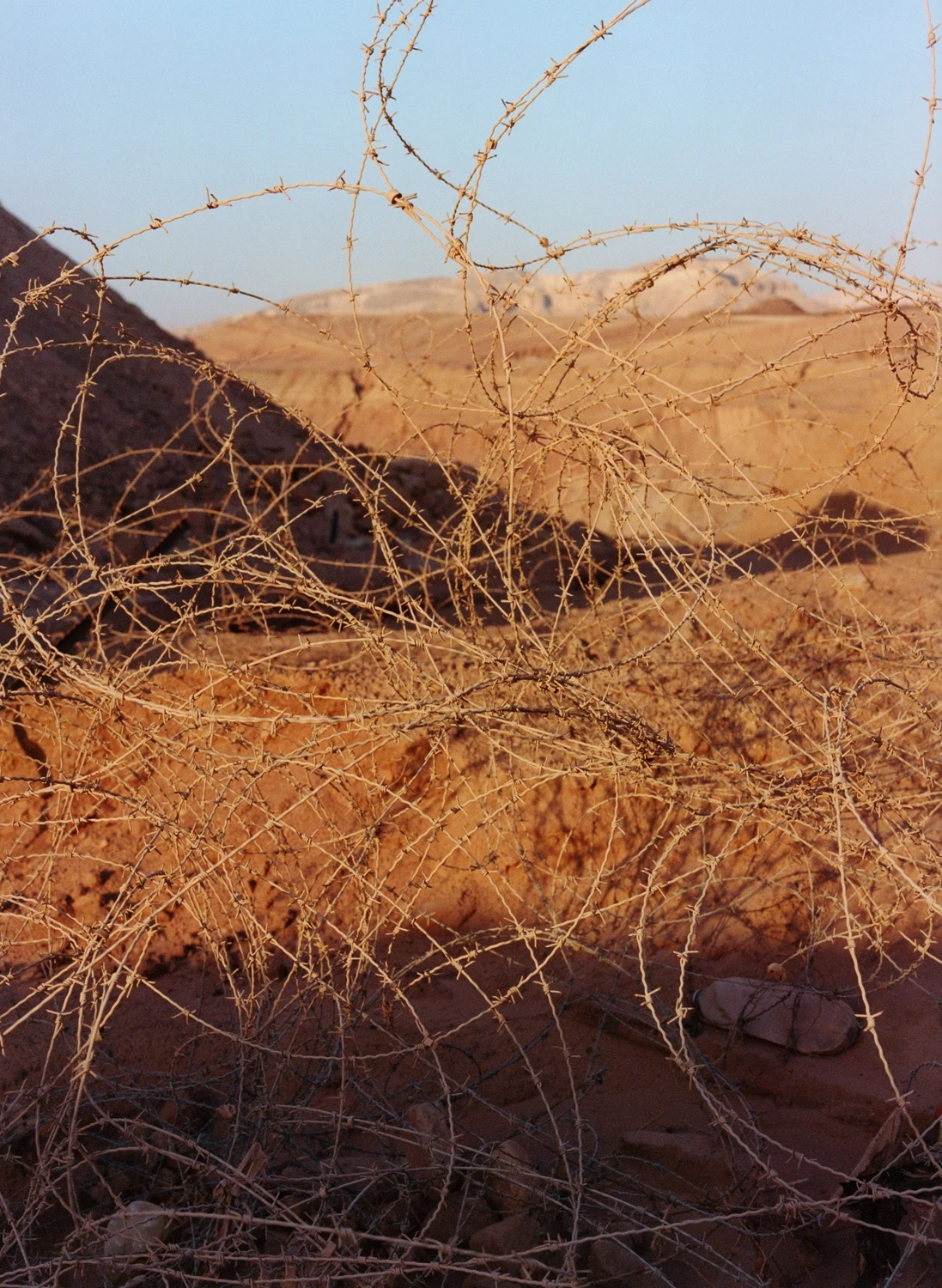
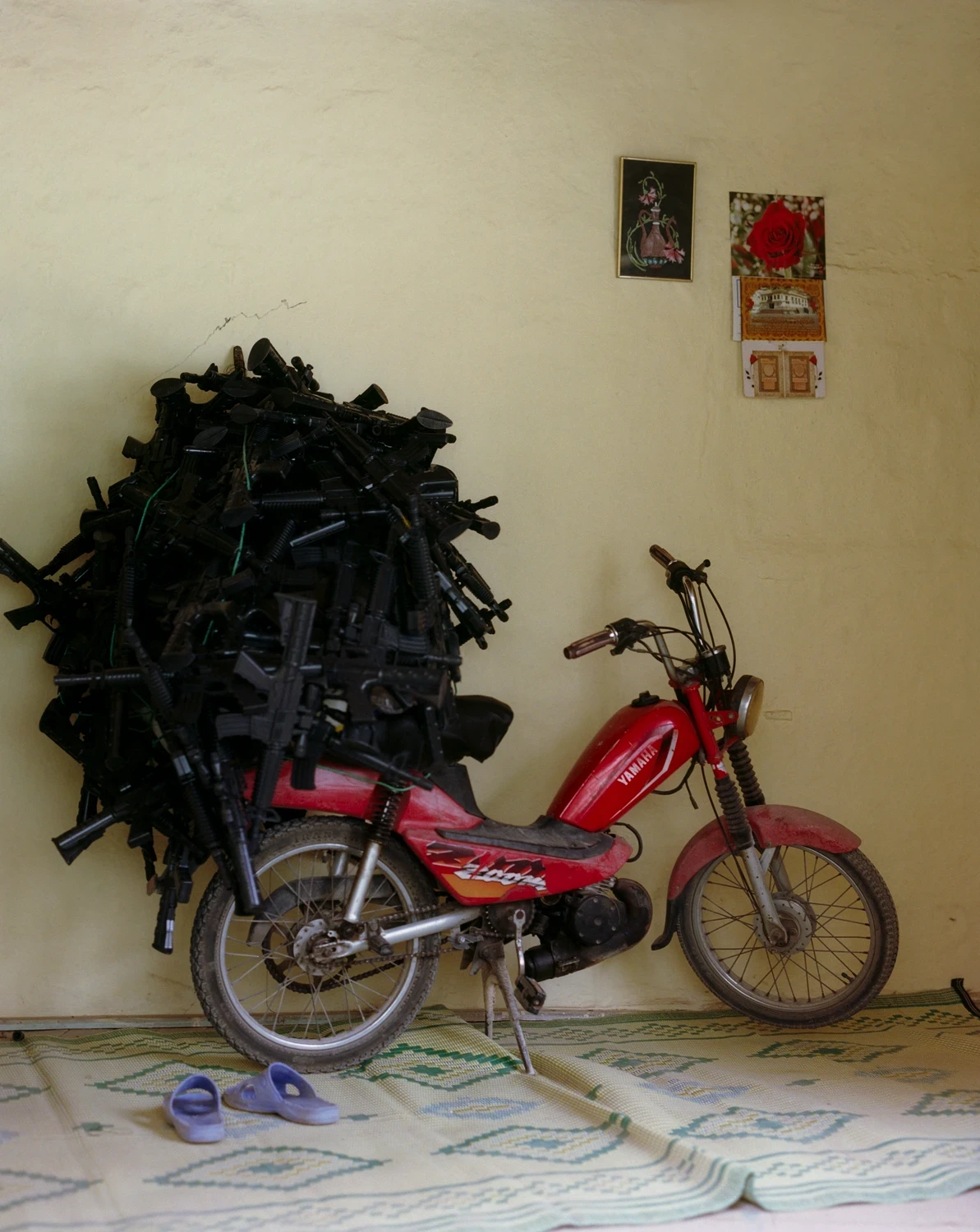
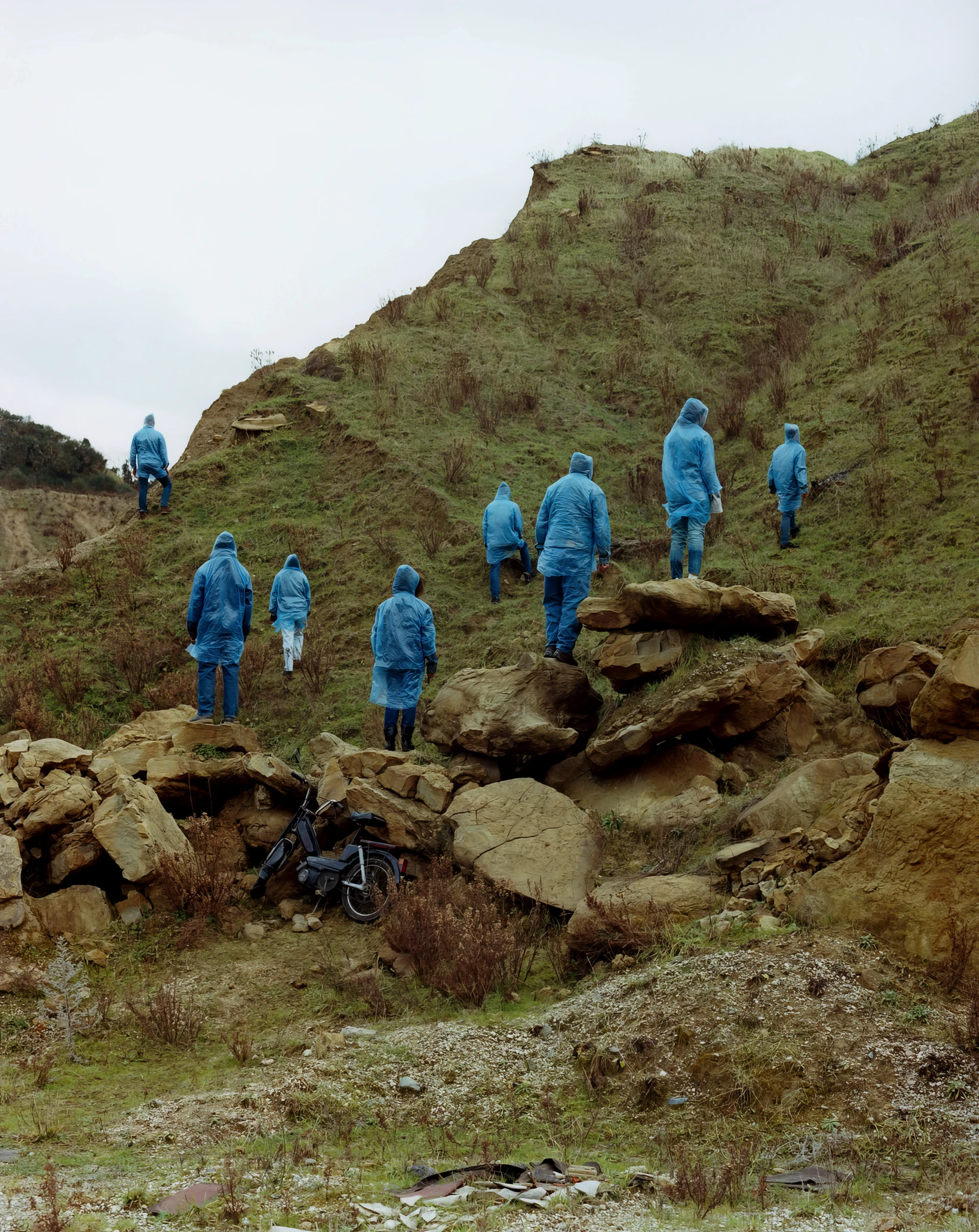
I think about this when looking at Olgaç Bozalp’s ‘Leaving One for Another’. The answers are not clean, not simple. We talk about the “signal” to leave: not one but a gathering of them. A quiet accumulation of signs saying “let go”: light thinning at the edges of the day, soil losing its dampness, hunger arriving earlier each morning. In the natural world, migration is an ecological pump, moving life, nutrients, genes, and stories across landscapes and waters. It’s not just petals and bees that move but spores and sediments, bones and bacteria, memories and people.
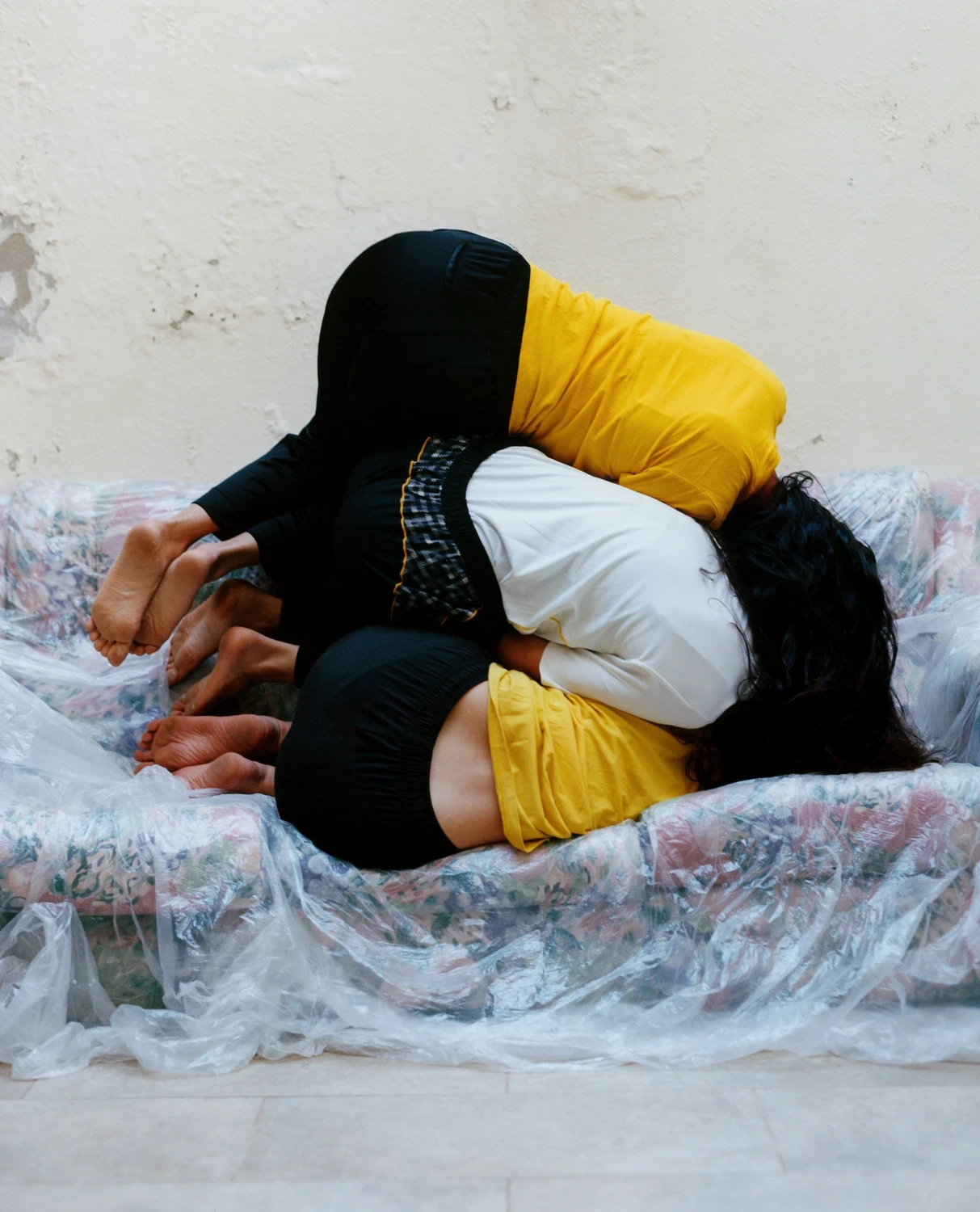
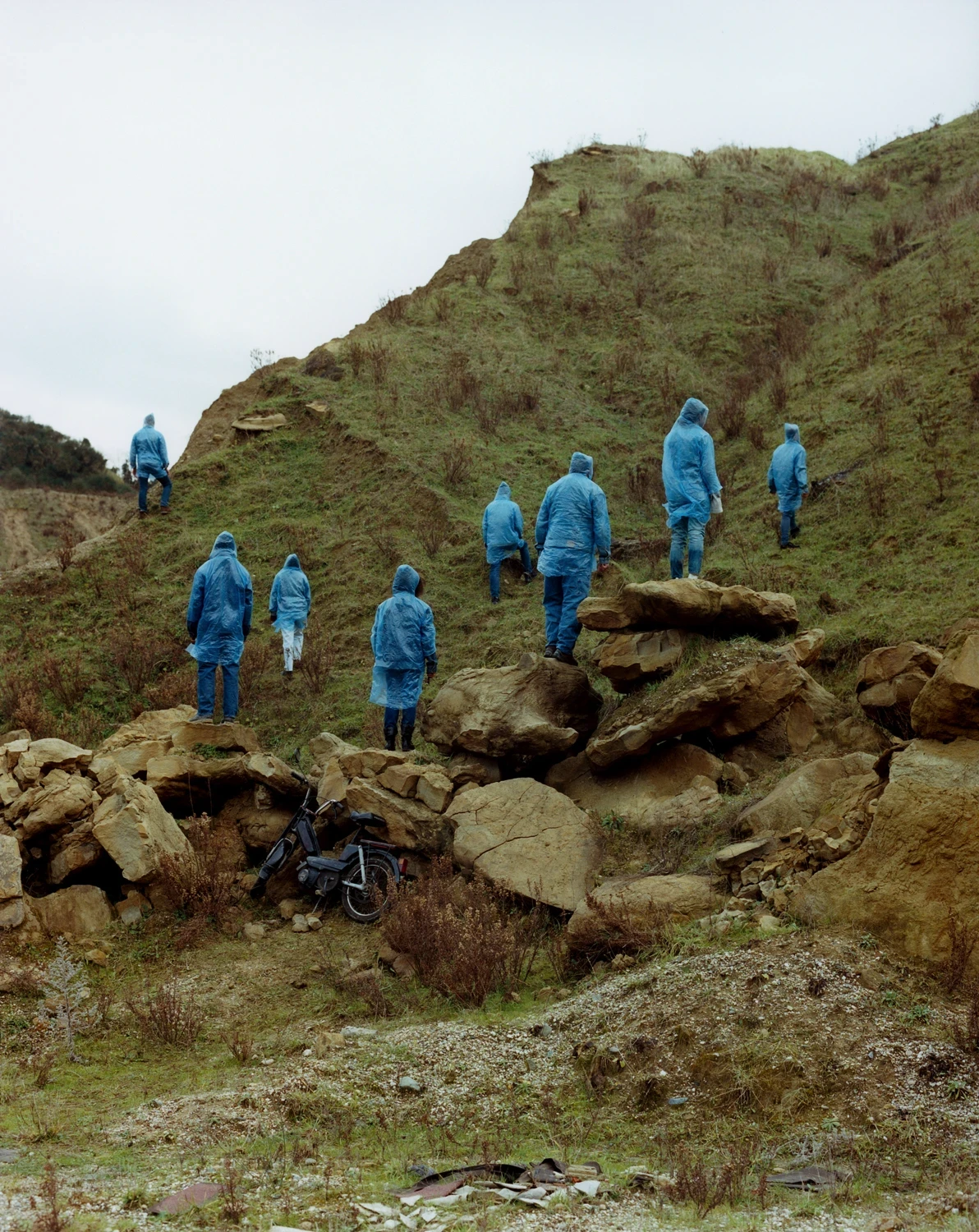
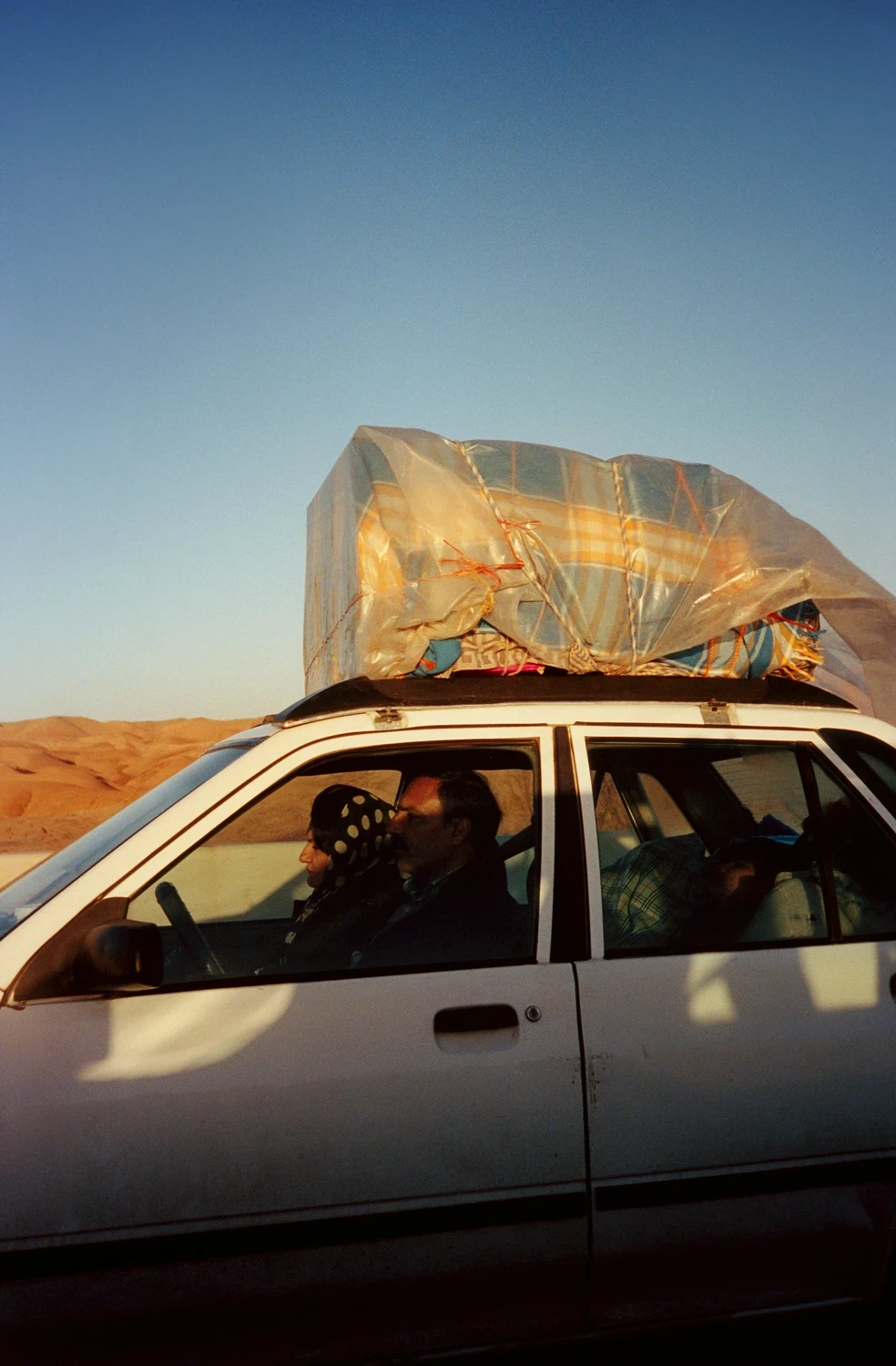
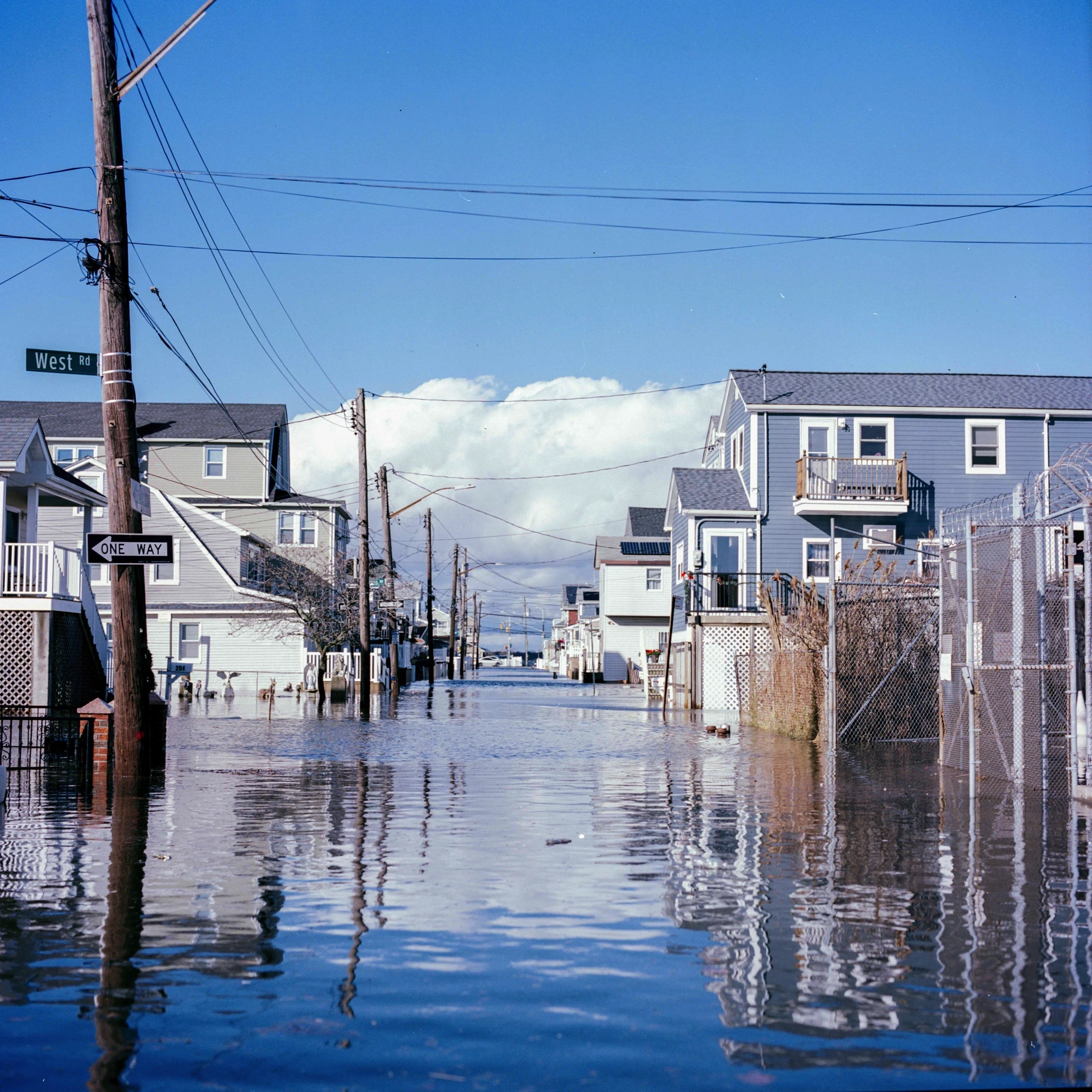
As this series captures, migration, in day or night, in the wild, or in the city, is ordinary. It’s part of life, part of Earth, for it was made moving. It’s not just a birthright granted by papers and borders upon arrival on new shores but an earthright granted by Mother Earth to all who arrive, move, and seek to live.
“We are the ones who turn movement into something complicated,” Bozalp says, “by wrapping it in legal structures and categories.”
In the natural world, nothing asks permission to move. Rivers change their courses and minds. Forests climb uphill. Seeds incubate for years, even decades, for the right moment, the right push of wind to carry them across the blue skies. Spores drift continents inside dust storms. Eels cross oceans they will never return from. The world survives by circulating, floating, and dreaming.
Only humans criminalize the right to roam, to walk out the door, to say goodbye, and to say hello. As Olgaç Bozalp asks “Why one body is allowed to go while another is not is something I began to find deeply absurd.” We don’t understand what makes humans or more-than-humans leave, what makes them “leave one for another,” whether it’s a magnetic beat or a wind or a whisper. Whatever it is, it’s not up to us to decide “when and how that signal appears.” That decision lives within each organism’s own capacity, its own sensing body, its own heart, and its own ecology.